The Global Allure of the European-Style Upright Fridge: A Deep Dive into Form, Function, and Cultural Shift
The kitchen has evolved from a hidden utility space to the beating heart of the modern home—a place for cooking, entertaining, and living. Central to this transformation is the refrigerator, no longer a mere appliance but a statement of design and lifestyle. In this landscape, one category has seen a meteoric rise in global popularity, transcending its regional origins to become a worldwide phenomenon: the European-style upright fridge. Characterized by its sleek, integrated look, innovative features, and user-centric design, this appliance is redefining kitchens from New York to Tokyo. But what is driving this global obsession, and what does it reveal about our changing relationship with food and home?
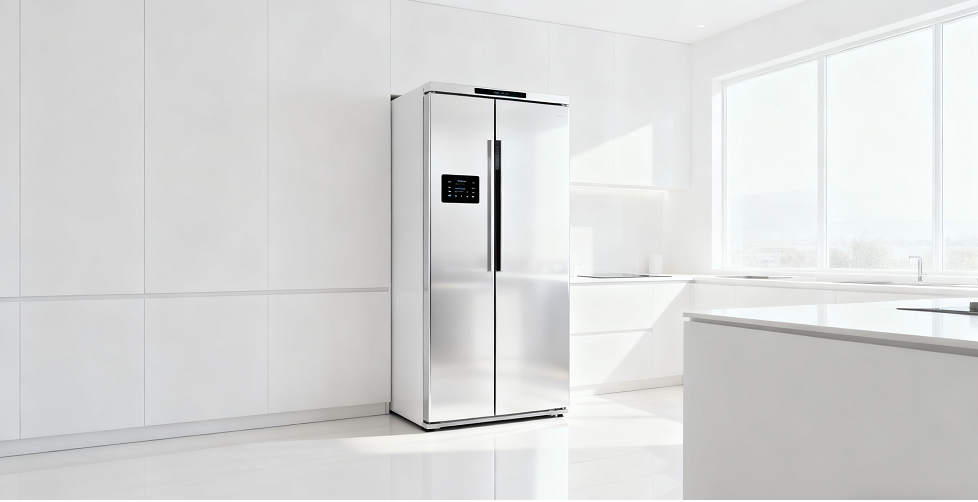
Deconstructing the "European-Style" Phenomenon
At its core, the term "European-style" encompasses a distinct philosophy that prioritizes seamless integration and intelligent use of space. Unlike the prominent, often stainless-steel-clad American fridge-freezer, the European archetype is defined by several key attributes:
Integrated Design: The most recognizable feature is the ability to accept custom cabinet panels. This allows the fridge to disappear entirely into the kitchen cabinetry, creating a clean, minimalist, and uninterrupted aesthetic. The focus is on the kitchen as a whole, not on the appliance as a standalone object.
Counter-Depth Construction: European-style models are typically designed to be flush with standard countertops and cabinets. This eliminates the bulky, protruding look of many traditional fridges, creating a streamlined and built-in appearance that appeals to modern architectural sensibilities.
Bottom-Freezer Configuration: While not universal, a bottom-mounted freezer is a hallmark. This design is rooted in ergonomics; the fresh food compartment, accessed dozens of times a day, is positioned at eye level, eliminating stooping. The freezer, used less frequently, is a pull-out drawer below.
Premium Finishes and Materials: For non-integrated models, the preference is for sleek, smudge-proof finishes like matte black, slate, or glossy white, often using high-quality glass or composite materials rather than plain steel.
Global Hotspots and Driving Forces Behind the Trend
The adoption of the European-style fridge is a story of converging global trends in design, urbanization, and consumer behavior.
1. The Ascendancy of the "Clean Kitchen" Aesthetic
Globally, there is a powerful movement towards minimalist, clutter-free interiors. Driven by influences from Scandinavian hygge and Japanese wabi-sabi, homeowners seek calm, serene spaces. The integrated European fridge is the ultimate expression of this trend. By blending into the wall, it reduces visual noise, making the kitchen feel larger, more organized, and more peaceful. In open-plan living areas, this seamless look is not just a preference but a design necessity.
2. Urbanization and the Space Premium
In densely populated cities across Asia (Singapore, Hong Kong, Tokyo) and Europe (London, Paris), square footage is at a premium. The compact, space-efficient footprint of a counter-depth European fridge is a logical choice. Its vertical design maximizes storage capacity without encroaching on valuable floor space, making it ideal for apartments and smaller townhouses where every inch counts.
3. The Gourmet at Home and Culinary Exploration
The pandemic irrevocably shifted our relationship with food, giving rise to a global cohort of "home gourmets." These consumers are more knowledgeable and discerning about food preservation. European brands have long emphasized advanced freshness technologies, which are now a major selling point worldwide.
Dual-Cooling Systems: Separate cooling circuits for the fridge and freezer prevent odor transfer and maintain optimal humidity levels in the fresh food section, keeping greens crisper and meats fresher for longer.
Specialized Drawers and Zones: Luxury models feature precise climate-controlled drawers for fish, meat, deli, and even champagne, catering to the specific storage needs of a wide variety of international ingredients.
4. Sustainability and Energy Consciousness
European manufacturers have been at the forefront of energy efficiency, driven by stringent EU regulations. A high Energy Rating (e.g., A+++) is a standard expectation. For the globally conscious consumer, an appliance's environmental footprint is a significant factor. The superior insulation and efficient compressors found in these fridges align perfectly with the values of consumers seeking to reduce their energy consumption and live more sustainably.
The Nuances of Global Adoption: Not a One-Size-Fits-All
While the trend is global, its implementation is local. Manufacturers have had to adapt to regional nuances.
The North American Market: Here, the love for large, voluminous appliances is legendary. To compete, European brands have introduced larger, "French Door" style models with bottom freezers, often in premium stainless steel, offering a compromise between European elegance and American capacity.
The Asian Market: In countries like China and South Korea, features like built-in water dispensers, smart screens with recipe integration, and specialized compartments for fermented foods have become important differentiators, blending European form with local functionality.
The Investment Consideration: Weighing the Pros and Cons
Adopting a European-style fridge is a significant decision with clear trade-offs.
Advantages:
Aesthetic Appeal: Unmatched ability to create a sophisticated, custom-looking kitchen.
Ergonomics: The bottom-freezer layout is genuinely more convenient for daily access to fresh food.
Freshness Technology: Often leads the industry in food preservation innovations.
Space Efficiency: Ideal for creating a streamlined look in modern kitchens.
Considerations:
Capacity: Counter-depth models typically offer less interior volume than their full-depth American counterparts.
Cost: High-end technology, premium materials, and the custom cabinetry required for integration command a higher price point.
Complexity of Integration: Proper installation requires precise measurements and a skilled carpenter or installer, adding to the overall project cost and complexity.
The Future of the Cold Space: Where is the Trend Heading?
The European-style fridge is not a static concept; it is continuously evolving. Future trends point towards:
Hyper-Personalization: Beyond just a custom panel, we will see more customizable interiors—modular shelves, convertible zones, and LED lighting that can change color temperature.
Connected Intelligence: Deeper integration with smart home ecosystems. Imagine a fridge that not only tells you you're out of milk but, based on its internal camera, can add it to your shopping list and pre-heat the oven for a meal it identifies you're preparing.
Circular Economy Designs: A greater focus on repairability, modular components that can be upgraded, and the use of recycled materials, pushing the sustainability narrative further.
Conclusion: The Embodiment of a Modern Kitchen Philosophy
The global rise of the European-style upright fridge is far more than a passing design fad. It is a tangible reflection of a broader cultural shift: the desire for a kitchen that is intentional, efficient, and beautiful. It represents a move away from ostentatious displays of appliance ownership and towards a more integrated, holistic view of the home environment.
For the global consumer, choosing a European-style fridge is a conscious decision to prioritize intelligent design, superior food preservation, and a serene aesthetic. It is an acknowledgment that the tools we live with should not only perform their function flawlessly but should also contribute to the harmony and well-being of our daily lives. In a world of clutter and noise, the quiet, seamless integration of the European-style fridge offers a refreshing promise of order, quality, and sophisticated calm. It is, in essence, the cold heart of the modern, mindful home.

Post Your Ad Here
Comments