The Ultimate Guide to Commercial Deep Fryers: Everything You Need to Know
The commercial deep fryer is the undisputed workhorse of countless restaurant kitchens, from bustling fast-food chains and cozy pubs to high-end establishments serving delicate tempura. It’s a piece of equipment that promises golden-brown, crispy perfection, but it also demands respect, knowledge, and proper maintenance. Whether you're a seasoned chef or opening your first food service business, understanding the intricacies of your fryer is crucial for success, safety, and profitability.
This comprehensive guide covers everything you need to know about selecting, using, and maintaining a commercial deep fryer.
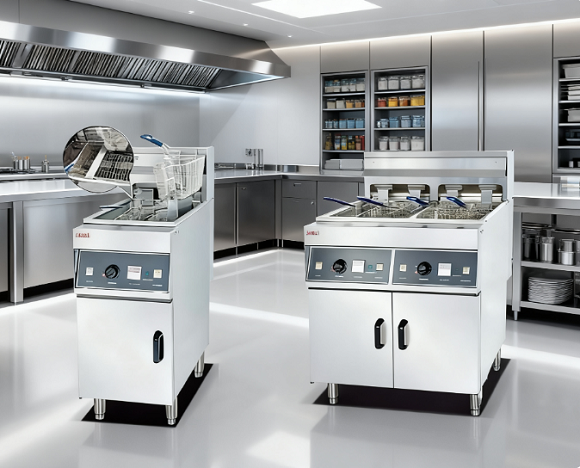
Types of Commercial Deep Fryers: Finding Your Perfect Match
Not all fryers are created equal. The first step is choosing the right type for your menu and volume.
1. Open-Pot Fryers: The most basic and common type. They feature a single, open vat of oil heated by tubes or an element at the bottom. They are affordable, simple to use, and excellent for operations that fry a variety of foods. However, they can be slower to recover temperature after loading and may require more frequent filtering.
2. Tube-Type Fryers: In these models, the heating elements are housed inside tubes that run through the oil. This design provides a larger heating surface area, leading to faster heat recovery—a critical factor during peak hours. They are the industry standard for high-volume restaurants like chicken shops and fish & chip stores.
3. Flat-Bottom Fryers: Instead of tubes, these use a flat heating element at the bottom of the vat. They are ideal for frying foods with a lot of loose crumbs or batter that can burn inside tube elements (e.g., onion rings, certain battered fish). They are easier to clean but often have slightly slower recovery times.
4. Pressure Fryers: These are sealed units that fry food under pressure. This method cooks food faster at a lower oil temperature, resulting in exceptionally juicy and tender interiors with a crisp exterior. They are almost exclusively used for fried chicken.
5. Ventless Fryers: A revolutionary option for locations where installing a traditional hood ventilation system is impossible or prohibitively expensive. They use advanced internal filtration and cooling systems to treat smoke and odors, releasing cleaner air back into the kitchen. They are more expensive upfront but offer incredible flexibility in placement.
Key Features to Consider When Buying
Capacity & Size: Measured in pounds of oil (e.g., 14 lbs, 35 lbs) or vat size (length in inches). Consider your counter space and expected sales volume. A high-volume operation will need a bank of large-capacity fryers or a double-vat model.
Recovery Time: This is the speed at which the oil returns to its set temperature after cold food is added. Faster recovery (measured in pounds of product per hour) means crispier food and higher throughput. Tube-type fryers generally have the best recovery.
Power Source: Most are electric or natural gas. Gas fryers typically heat up faster and have lower operating costs in areas with cheap gas, but require a gas line. Electric fryers are more common, easier to install, and offer precise temperature control.
Controls: Basic manual controls are reliable and simple. CooStat controls automatically lower and raise baskets for consistent timing. Fully automatic computerized controls allow for pre-set programs for different foods, reducing human error and ensuring perfect results every time.
Construction & Materials: Look for heavy-duty, welded stainless steel construction for durability, corrosion resistance, and easy cleaning.
The Heart of the Matter: Oil Management
Your oil is an ingredient, and managing it is the single most important factor in food quality.
Choosing the Right Oil: Use high-heat, neutral-flavored oils with a high smoke point. Peanut, canola, soybean, and sunflower oils are popular commercial choices. Avoid butter and olive oil.
The Right Temperature: The ideal frying temperature is typically between 325°F and 375°F (163°C - 191°C). Too low, and food becomes greasy; too high, and it burns on the outside while staying raw inside. Always use a thermometer for accuracy.
Filtration is Non-Negotiable: Filtering your oil daily (or even multiple times a day for high-volume shops) is essential. Burnt food particles (crumb) left in the oil will accelerate breakdown, causing the oil to darken, smoke, and impart off-flavors to your food. Use a built-in filtration system or a portable filter machine.
Knowing When to Change Oil: Don't wait for the oil to look black. Signs it's time for a change:
Dark, murky appearance
Persistent foaming on the surface
Rancid or acrid smell
Food tastes off or has a bitter flavor
Excessive smoking at normal cooking temperatures
Essential Safety and Maintenance
A fryer is a powerful piece of equipment that operates at extremely high temperatures. Safety must be paramount.
Training: Every staff member must be trained on safe operation: no water near the oil, careful lowering of baskets to avoid splashing, and knowing the location of fire suppression equipment.
Location: Place the fryer on a stable, level surface away from any water sources (sinks, dishwashers) and with ample clearance from walls. Ensure your hood ventilation system is adequate.
Daily Cleaning: Empty, filter, and cool the oil. Drain the vat and wipe it down with a non-abrasive cleaner and a soft cloth. Never use water jets or harsh steel wool.
Weekly/Bi-Weekly Deep Cleaning: Perform a full breakdown and degreasing. This involves scrubbing the tubes, elements, and interior walls to remove any built-up carbonized grease. This improves efficiency and extends the life of your fryer.
Fire Safety: Have a Class K fire extinguisher designed for grease fires readily available. Never use water on a grease fire.
Conclusion: An Investment in Quality
A commercial deep fryer is a significant investment that, when chosen and cared for correctly, will pay for itself many times over. It’s not just a appliance; it's the core of your menu. By selecting the right type for your needs, committing to a rigorous regimen of oil filtration and changing, and prioritizing safety and cleaning, you ensure that every item that comes out of that fryer is a perfect, profitable, and delicious representation of your brand. Master your fryer, and you master one of the most beloved cooking techniques in the world.


Post Your Ad Here
Comments