How Gun Training Builds Skill and Responsibility
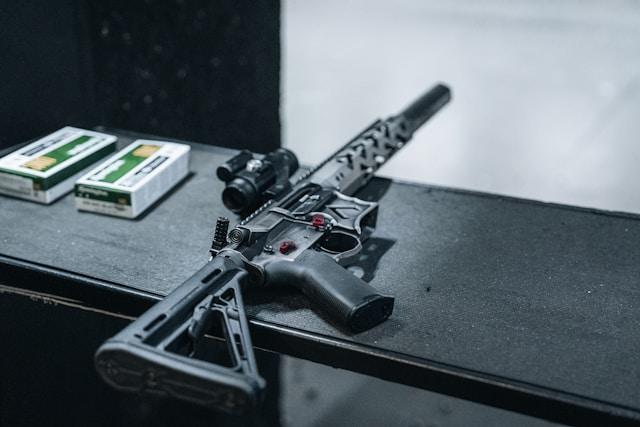
Becoming a gun owner is a serious commitment, one that carries a weight of responsibility far beyond simply possessing a tool. Whether you’ve acquired a firearm for sport, hunting, or personal defense, the real value comes not from the object itself, but from the skill and mindset of the person holding it. This is why enrolling in quality gun training is perhaps the most critical step any new or seasoned owner can take.
Training isn't just about learning how to hit a target. It is a foundational process that embeds a deep sense of responsibility, transforming a casual owner into a safe, proficient, and thoughtful one. The true measure of a responsible gun owner is not their right to carry, but their commitment to safety and continuous improvement.
The Foundation: Safety is a Mindset
The first, and most important, thing any training course teaches is not a technique, but a philosophy: the fundamental rules of firearm safety. These aren't suggestions—they are life-saving principles that must become second nature.
The core rules, often condensed into a few simple statements, force you to treat the firearm with the respect it demands. For example, the principle of "Muzzle Discipline"—always keeping the gun pointed in a safe direction—is the ultimate safeguard against accidental harm. It teaches you to be constantly aware of your surroundings and where the projectile would go if the firearm were to discharge. Similarly, keeping your finger off the trigger until you are ready to fire is a discipline that must be internalized. A proper training class turns these rules from words on a page into physical habits that stick with you every time you handle a gun.
From Knowledge to Proficiency: Developing Real Skill
Once safety fundamentals are mastered, formal instruction rapidly accelerates your skill acquisition. Trying to learn complex skills solely from YouTube or a user manual is inefficient and can lead to dangerous habits. An experienced instructor provides immediate feedback and corrects mistakes before they become ingrained.
The Mechanics of Marksmanship
Training helps you move beyond simply pulling the trigger. You learn the mechanics of marksmanship:
Stance and Grip: A stable platform is key to accuracy and managing recoil.
Sight Alignment and Picture: Understanding how to align your sights and focus your vision is essential for consistently hitting your target.
Trigger Control: The most overlooked skill. Learning to press the trigger straight back without disturbing the aim is what separates a novice from a proficient shooter.
Beyond the Firing Range
However, proficiency extends beyond a stationary paper target. For defensive shooting, gun training introduces dynamic scenarios, teaching you to think under pressure. You learn malfunction drills—how to safely and quickly clear a jam—and tactical reloading under stress. These skills are perishable; they require consistent practice, but they start with solid instruction.
The Responsibility of Ownership
True responsibility is woven into every aspect of good gun ownership, and training reinforces this concept in three key areas:
1. Secure Storage and Access Prevention
A firearm is a tool that should be treated with the utmost respect, particularly in a home environment. Training emphasizes the non-negotiable importance of secure storage to prevent unauthorized access, especially by children. It covers various storage solutions—from trigger locks and cable locks to biometric safes—and stresses the separation of ammunition from the firearm. To learn more about secure storage practices and how to talk to your children about gun safety, resources like Project ChildSafe offer invaluable educational material.
2. Legal and Ethical Obligations
Responsible gun ownership also means being a responsible citizen. A good course will cover the legal framework surrounding firearm ownership in your area, including transportation laws and self-defense statutes. Understanding the law is just as important as understanding the mechanics of your gun. It grounds your actions in an ethical and legal reality.
3. Continuous Education
The commitment to training doesn't end after one course. It is an ongoing journey. Seasoned owners recognize the need for regular practice and continuing education to maintain their skills and awareness. This ensures that in any situation—whether on the range, in the field, or in a moment of crisis—their muscle memory and decision-making process are rooted in safe, responsible training.
In the end, gun training is not merely an optional prerequisite; it is a fundamental duty of ownership. It is how you honor the responsibility of owning a powerful tool and how you ensure that your right to own a firearm is exercised with the highest degree of safety and competence. For information on the basic rules of safe handling, the Bureau of Alcohol, Tobacco, Firearms and Explosives (ATF) provides straightforward guidelines every owner should review. Take the time to get the necessary instruction and commit to being the most responsible owner you can be.

Post Your Ad Here