Commode Wheelchair A Practical Blend of Mobility and Dignity for Daily Living
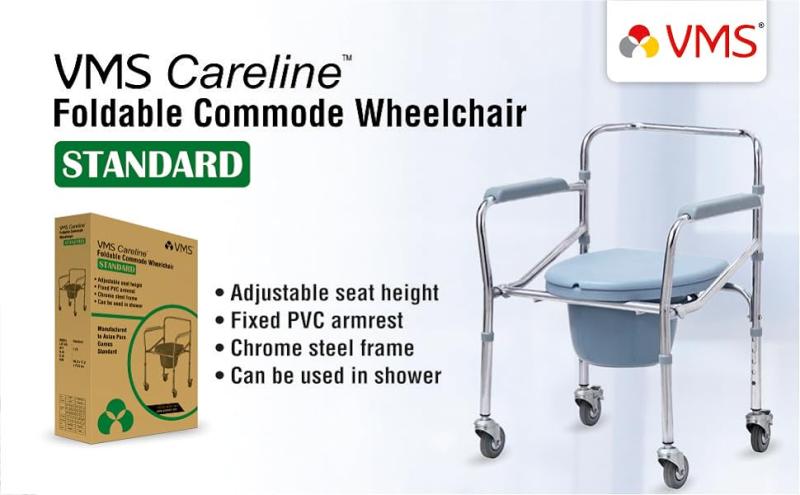
Mobility aids are no longer just about movement; they are
about independence, dignity, and quality of life. Among the many innovations in
assistive technology, the commode wheelchair stands out as a remarkable
solution for individuals who face challenges with both mobility and personal
care. Unlike traditional wheelchairs, which primarily focus on transportation,
a commode wheelchair combines seating, mobility, and sanitation into one
versatile product.
This evolution in wheelchair design has opened doors to more
comfort, convenience, and care for patients, seniors, and people recovering
from surgeries or living with chronic conditions. Let’s take a closer look at
how commode wheelchairs fit into the bigger world of mobility aids, their
advantages, the trade-offs they bring, and how they compare with other options
like the folding wheelchair, foldable wheelchair, and lightweight wheelchair.
What Makes a Commode Wheelchair Different?
At first glance, a commode wheelchair looks like any other
standard wheelchair. However, its key distinction lies in the built-in commode
seat that allows users to attend to their personal hygiene without the need for
constant transfers. For individuals with limited mobility, this feature reduces
dependence on caregivers, minimizes the risk of falls, and provides much-needed
dignity in their daily routine.
Modern commode wheelchairs often come with additional
features such as detachable buckets, waterproof materials, and
height-adjustable frames. Some even double as shower chairs, making them
multipurpose tools in caregiving and healthcare settings.
The Advantages of Using a Commode Wheelchair
- Promotes
Independence
For users, being able to handle personal needs without multiple transfers is liberating. It reduces embarrassment and makes day-to-day living more manageable. - Caregiver
Convenience
A commode wheelchair simplifies a caregiver’s responsibilities by reducing the physical strain of lifting and transferring patients multiple times throughout the day. - Dual
Functionality
Unlike a standard folding wheelchair, a commode wheelchair serves two purposes mobility and hygiene. This dual utility reduces the need for multiple devices in a home or healthcare setting. - Improved
Safety
With fewer transfers between bed, chair, and toilet, the risk of accidents such as slips and falls is significantly reduced. - Cost-Effectiveness
While it might seem like an investment upfront, combining two functions in one chair often proves more economical than buying separate mobility and bathroom aids.
- Folding
Wheelchair
A folding wheelchair is designed for portability and storage. It is ideal for individuals who travel often or need easy storage at home. However, it does not provide the hygiene support that a commode wheelchair offers. - Foldable
Wheelchair
Similar to folding models, a foldable wheelchair focuses on convenience and space-saving. They are lightweight and easy to transport but lack the integrated commode functionality, making them less suitable for patients with higher dependency needs. - Lightweight
Wheelchair
A lightweight wheelchair is perfect for active users who value ease of movement and independence outdoors. While excellent for mobility, it doesn’t provide the sanitary solutions built into a commode wheelchair.
In essence, each type of wheelchair serves a different
purpose. Choosing between them depends on the user’s condition, lifestyle, and
environment.
Challenges and Trade-offs in Choosing a Commode Wheelchair
While the benefits are clear, there are trade-offs to
consider:
- Weight
and Portability – A commode wheelchair is often heavier than a
lightweight or foldable wheelchair, which can make transportation a
challenge.
- Maintenance
– Hygiene-related features require regular cleaning to ensure safety and
comfort.
- Cost
Considerations – Depending on features such as stainless-steel frames
or multi-function designs, commode wheelchairs can be more expensive
upfront.
Balancing these factors requires thoughtful decision-making,
especially when considering whether mobility, portability, or hygiene support
should take priority.
Why Commode Wheelchairs Are Gaining Importance in India
The demand for hospital furniture and home healthcare
equipment in India is on the rise due to an aging population, growing
awareness about elderly care, and increasing healthcare accessibility. Families
caring for seniors or patients at home are recognizing the value of products
like commode wheelchairs, which ensure both comfort and dignity.
Moreover, as urban homes get smaller, the need for multi-functional
mobility aids is increasing. A commode wheelchair fits perfectly into this
shift, combining utility with space-saving design.
Final Thoughts
A commode wheelchair is more than just a medical
device it’s a thoughtful innovation that merges independence with dignity.
While folding wheelchairs, foldable wheelchairs, and lightweight wheelchairs
cater to different mobility needs, commode wheelchairs offer a unique blend of
hygiene, safety, and functionality that makes them indispensable for certain
users.
When choosing one, it’s important to weigh factors like
portability, budget, and ease of maintenance. Ultimately, the right wheelchair
is not just about movement; it’s about restoring freedom and making life easier
for both the user and their caregivers.

Post Your Ad Here
Comments