The Unsung Power of the Walking Stick in Daily Mobility
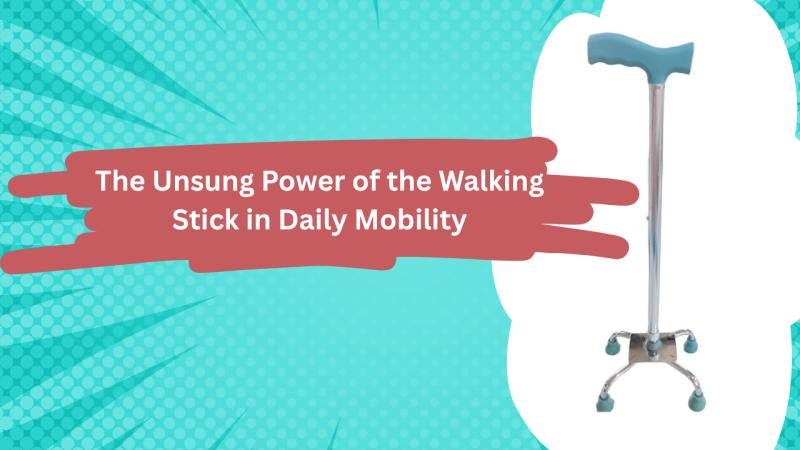
Mobility isn’t just about movement it’s about independence,
dignity, and confidence. For millions around the world, especially the elderly,
injured, or physically challenged, a simple tool becomes the difference between
hesitation and assurance: the walking stick.
Often overshadowed by more sophisticated mobility aids like
wheelchairs or walkers, the humble walking stick or support stick, as
some call it is a versatile solution that bridges the gap between full mobility
and complete dependency. But make no mistake, it’s far more than a crutch. It’s
a symbol of resilience.
Beyond Tradition: The Modern Evolution of Walking Sticks
Historically, walking sticks were symbols of status and
style, from royal scepters to gentleman’s canes. Today, they've evolved into
highly engineered mobility devices. Modern walking sticks are designed with
ergonomics, safety, and aesthetics in mind. From adjustable support sticks
for arthritis patients to foldable variants for easy travel, the market is rich
with innovation.
Unlike the bulkier walker for patients, a walking
stick offers a lightweight, space-saving, and highly portable solution. Whether
navigating a slippery hallway, climbing stairs, or taking a short walk in the
park, it provides the extra confidence many individuals need.
Who Should Consider a Walking Stick?
While often associated with old age, walking sticks serve a
much broader audience:
- Post-Surgery
Patients: Individuals recovering from knee, hip, or foot surgeries
find walking sticks essential in regaining balance during rehabilitation.
- Seniors:
As age naturally affects muscle strength and balance, a walking stick can
prevent slips and falls.
- People
with Joint Disorders: Conditions like arthritis, osteoporosis, or
sciatica can make even a short walk painful. A well-designed support stick
reduces stress on the joints.
- Hikers
& Trekkers: Even the able-bodied use walking sticks for stability
on rough terrain.
That’s a common question especially for caregivers deciding on the right mobility aid. Here’s a comparison to help make that decision easier:
| Feature | Walking Stick | Walker for Patients |
|---|---|---|
| Portability | Lightweight and compact | Bulky and less mobile |
| Ease of Use | Simple, quick to adjust | May require training |
| Stair Navigation | Easy with support | Not suitable |
| Best For | Mild to moderate support | Maximum balance needed |
| Style Options | Wide variety available | Mostly medical look |
If the individual can bear some body weight and mainly needs help with balance or occasional fatigue, a walking stick is the preferred option.
Key Features to Look For in a Walking Stick
Buying a walking stick isn't as simple as picking one off
the shelf. The wrong height, handle, or base can do more harm than good. Here’s
what to look for:
✅ Adjustable Height
Ensure the stick’s height can be tailored to the user's
body. Ideally, the handle should reach the wrist crease when arms are relaxed.
Ergonomic Grip
A comfortable, non-slip handle is crucial. Foam and rubber
grips reduce hand fatigue, especially for extended use.
Anti-Slip Base
A rubber or silicone ferrule (tip) ensures grip on all
surfaces indoors or outdoors.
Weight-Bearing Strength
Not all support sticks are created equal. Ensure it's
designed to support the user’s weight without flexing or wobbling.
Foldable or Travel-Friendly
Options
For frequent travelers, a foldable walking stick can easily
slip into a bag or suitcase.
Tips for Safe and Effective Use
Using a walking stick effectively is just as important as
choosing the right one. Here are some tips:
- Use
on the Opposite Side: Hold the stick on the side opposite to the
weaker or injured leg. This helps shift body weight more evenly.
- Check
the Tip Regularly: Worn-out tips can lose grip and become dangerous.
- Walk
Upright: Encourage users not to lean heavily or hunch over the stick.
- Use
Proper Technique on Stairs: “Up with the good, down with the bad” is a
helpful rule lead with the stronger leg when climbing, and the weaker leg
when descending.
When to Upgrade to a Walker?
If balance issues persist or worsen, or if the individual
finds themselves relying heavily on their walking stick, it might be time to
consider a walker for patients. Walkers offer more points of contact
with the ground and provide comprehensive support for those with more serious
mobility impairments.
A walking stick is more than a mobility aid it’s a
confidence booster, a safety net, and sometimes, a lifeline. In the right
hands, it restores the freedom to move, explore, and engage with the world
without fear or dependence.
Whether you’re looking for a stylish cane for daily walks, a
support stick post-surgery, or a temporary solution for a recovering
loved one, investing in the right walking stick means investing in comfort and
dignity.
Explore our collection of ergonomic, foldable, and adjustable walking sticks at [vmscart.com]. Empower every step with the right support.
Post Your Ad Here
Comments