Decoding the Jargon of Artificial Turf Grass Buyer Guide
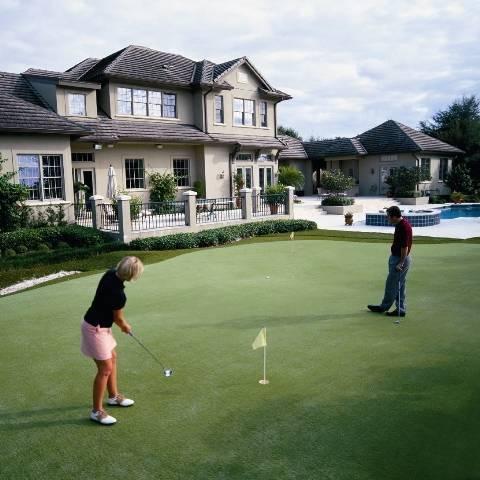
Buying artificial turf grass can seem overwhelming, especially when salespeople or technical sheets throw around terms like “pile height,” “face weight,” or “backing” without explanation. Whether you’re shopping for residential artificial turf, commercial turf, or outdoor playground turf, knowing that terminology helps you make an informed choice. Based on insights from FieldTurf Landscape’s guide, here’s what to understand so your investment gives you durability, beauty, and suitability for your specific usage.
Why the Jargon Matters
When you understand technical specifications, you can better:
- Compare products: What claims like “denier,” “gauge,” or “infill” actually mean helps you see which artificial turf grass options are high quality.
- Match product to usage: Residential lawns have different requirements than playgrounds or commercial walkways. What works for outdoor playground turf may not be ideal for a home lawn or heavy commercial traffic.
- Evaluate value vs. cost: Without being duped by marketing, you can judge whether a more expensive product is worth paying for. Metrics like face weight and pile height tell you about comfort, longevity, and how real the turf will look.
Key Terms You Should Know
Here are some of the most important terms in the world of artificial grass, especially if you're considering residential artificial turf or commercial turf:
-
Pile Height
This is the length of the individual grass blades, usually measured in millimeters. Shorter pile heights (say 25-35 mm) are neater and easier to maintain, while longer pile heights (35 mm+) create a lush, more natural look. For outdoor playground turf, you might want a height that provides cushion without becoming matted. -
Face Weight
Measured in ounces per square yard, this tells how much yarn material is there. A higher face weight generally means a denser, more luxurious product—important for both commercial turf that must resist wear and tear, and residential artificial turf where aesthetics matter. -
Denier
This refers to the thickness (or weight) of the individual yarn fibers. Higher denier often translates to more durability, especially under heavy use (like in commercial settings or playgrounds). -
Gauge
Gauge is about the spacing between rows of stitching. A smaller gauge means more stitches per unit length, which typically means a denser turf and better durability. If gauge is too wide, turf may feel less natural or show gaps. -
Backing
The backing is like the foundation of your turf. Look for backing that allows drainage (permeable) if water collection might be an issue. There are durable backings designed for high-traffic, commercial areas, and others that look great but might not hold up as well under heavy use. -
Infill
Infill materials (sand, rubber, or other granules) are added to help the blades stand upright, add cushioning, and stabilize the turf. Different infill types can affect safety, feel, and how well the turf handles wear. For outdoor playgrounds, cushioning infill matters a lot to reduce impact from falls. -
Thatch
This is a layer of curly or looped fibers near the base of the turf which mimic natural grass’s undergrowth. It helps with aesthetics and blade support. Too much thatch can cause matting; too little can make the turf look unnatural.
Choosing Based on Your Application
Depending on what you need, different specs will be more or less important. Here’s how to think about the trade-offs for some common uses:
-
Residential Artificial Turf
You’ll want turf that looks natural, feels soft underfoot, and holds its shape. Moderate face weight, a comfortable pile height, and good backing/drainage are key. UV stability is also important so the colour doesn’t fade. -
Outdoor Playground Turf
Safety is a priority. That means strong, durable fibers, a soft in-fill or cushioned base, good drainage so moisture doesn’t accumulate, and possibly antimicrobial backing if hygiene is important. -
Commercial Turf
Heavy usage, exposure to wear (foot traffic, furniture, vehicles), so you want high face weight, higher denier, strong backing, and robust drainage. Maintenance ease also becomes more important in commercial settings.
Other Considerations
-
Longevity vs. Cost: Higher-end commercial or playground turf will cost more up front but often deliver far greater lifespan. For residential artificial turf, cheaper options may be tempting, but check specs carefully to avoid rapid deterioration.
-
Maintenance: Even the best artificial grass requires maintenance: brushing, cleaning debris, keeping infill even, and ensuring drainage works. For playgrounds or commercial settings, this might mean more frequent care.
-
Climate & Environment: Shade, sun exposure, and weather extremes affect performance. Turf with UV-resistant fibers, permeable backing, and adequate of infill helps avoid issues like heat burnout or water pooling.
Conclusion
If you’re investing in artificial turf grass—whether for your home, a playground, or a commercial space—don’t get lost in marketing speak. Knowing the jargon gives you the tools to compare and choose well. Understanding pile height, face weight, gauge, backing, thatch, and infill will help you match the right type of turf for your needs: residential artificial turf, outdoor playground turf, or commercial turf. The result? Turf that looks great, lasts long, and performs reliably.
Post Your Ad Here
Comments