Exploring the Versatility of Indoor Sports Turf for Multi-Purpose Facilities
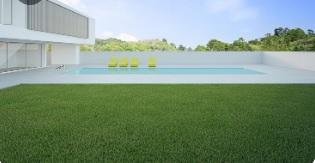
Artificial indoor turf has transformed the approach to sports and recreational activities within multipurpose facilities. From durability to safety, this solution offers many extensive advantages, making it a preference for facility managers and athletes alike. Below, we look into the versatility of indoor turf regarding applications, advantages, and some considerations on multipurpose facilities.
What Is Indoor Turf?
Indoor turf means synthetic grass surfaces designed especially for inside environments. It tries to imitate the look and feel of natural grass alongside enhanced durability and very low maintenance. Such a good solution is popularly used in sports facilities, fitness arenas, and recreational areas.
Significant characteristics of indoor turf
Strength : It is not easy to wear out over time even in high foot traffic areas or with high activities due to its high-quality plastic materials such as polyethylene or nylon.
Safety: This feature also helps keep injuries at a minimum through shock absorbing mechanisms. This fits the purpose for most high impact sports and workout exercises.
Versatility: Be it soccer, football, baseball, or lacrosse; not a single sport was left out, and it is even appropriate for non-sporting activities such as exhibitions and trade shows.
Cost effective: needs less maintenance when compared to the natural grass. Therefore, saves time and resources.
Indoor artificial grass offers several benefits.
Certainly, the greatest contributing factor to the increased popularity of indoor artificial turf grass is the multiple benefits it has. Here is what makes the use of indoor grass a revolution in multi-purpose facilities.
1. Playability in any Weather
With indoor artificial grass, weather will never spoil the game. This grass won't get muddy or slippery during rains, unlike the natural grass rendering it a player for every season.
2. Guaranteed Improved Security
Athletic safety is a consideration for modern-day synthetic turf for indoor games. The surface is not abrasive, possesses excellent traction and reduces the slip-fall risk. Furthermore, its capacity to absorb shock reduces stress on joints and prevents damage.
3. Cost Efficient
Though the initial investment is high, artificial turf pays off cost-wise over time through providing durability and less maintenance. There's no need for watering, mowing, or fertilizing.
4. Multipurpose
Host your soccer games and CrossFit sessions under one roof; indoor artificial grass, and outdoor playground turf are perfect for all activities. It is valuable property in a multi-purpose facility.
Uses of Indoor Synthetic Turf
Indoor synthetic turf is not just limited to sports; there are a number of applications:
1. Sports Fields
Soccer Field: Uniform ball roll and traction for players.
Baseball Batting Cages: Reliable surface for batting practice.
Lacrosse and Rugby Fields: Withstands intensive sport play.
2. Fitness Centers
Artificial turf is common amongst fitness centers and is used during agility drills, weightlifting, and functional training. Its durability allows heavy equipment while still pleasing to the eyes.
3. recreational spaces
An indoor play area can be furnished as above, since it has a soft surface and thus reduces injury upon falling. Such synthetic turf may also be applicable in military training since it withstands severe conditions.
4. Events and Exhibitions
It can turn spaces into attractive venues, whereby exhibitions or trade shows can be held in and, indoors, give a whole indoor green effect.
Types of Indoor Artificial Turf
Choosing the right type of turf depends on your facility's needs:
How Indoor Turf Expansion of Multi-Purpose Facilities
Indoor synthetic turf enhances the functionality of facilities, turning them into adaptable centers accommodating other activities.
1. Increased Usage
Indoor facilities featuring artificial grass allow for multiple simultaneous events without compromising on quality or safety.
2. Customization Options
The turf itself can be customized with logos or colors that coordinate with branding or team identity.
3. Aesthetic Improvement
The lush green appearance of artificial turf adds life to otherwise dull indoor spaces, with little fading over time.
Things to Consider Before Installation
When selecting indoor synthetic turf for your facility, there are a few points you should watch out for:
Type of Activity: Is the space more considering sports events or others?
Durability Requirements: If the facility is expected to be in heavy use, use good quality materials.
Budget: While being a long-term investment, the aspect of initial installation cost should fit in the budget.
Maintenance Requirements: Make sure that your team can handle the basic cleaning and upkeep.
Indoor Synthetic Turf Its Impact on the Environment
Artificial indoor turf is beneficial for environmental sustainability:
Water conservation be-cause there is no need for irrigation.
Helps prevent the usage of pesticides or fertilizers.
Most turf types are made of recycled materials, thus putting less pressure on the environment.
FAQs About Indoor Sports Turf
What is indoor synthetic turf made of?
It is typically made from polyethylene or nylon fibers with a rubber or foam backing for cushioning.Is indoor artificial grass safe for children?
Yes, it provides a non-abrasive surface that minimizes injuries during play.How long does indoor turf last?
With proper maintenance, it can last 8–15 years depending on usage.Can I install artificial turf in small spaces?
Yes, interlocking tiles are ideal for smaller or irregularly shaped areas.Does artificial turf require special cleaning?
Regular vacuuming and occasional deep cleaning are sufficient.Can it be used in non-sporting events?
Absolutely! It’s versatile enough for exhibitions, trade shows, and other events.How does it compare to natural grass in terms of cost?
While installation costs are higher initially, maintenance savings make it more economical over time.Is artificial turf environmentally friendly?
Yes, it reduces water usage and eliminates the need for harmful chemicals.Does weather affect indoor synthetic turf?
No, being indoors protects it from weather-related wear.Can I customize my indoor turf?
Yes, you can add logos or choose specific colors to suit your facility’s branding.
Post Your Ad Here
Comments