How to Install Artificial Grass on Soil: A Complete DIY Guide
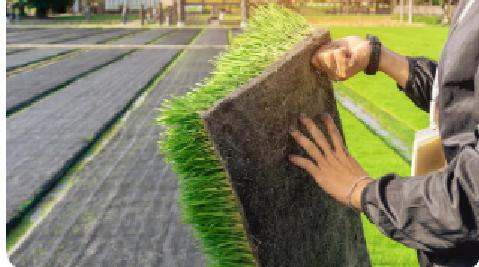
Installing artificial turf grass on soil is an increasingly popular landscaping solution. Whether you're upgrading your artificial grass for backyard or creating durable artificial grass for play areas, following the right process ensures a smooth, long-lasting surface. This guide walks through how to lay turf on dirt from start to finish.
1. Site Planning & Initial Prep
Why it matters: Installing artificial turf grass over soil requires a stable, well-drained base. Skipping this step can lead to unevenness, water buildup, and premature wear.
-
Clear and measure: Remove existing grass, weeds, debris, and roots. Measure your area precisely, allowing for extra material for edges.
-
Check grading: Soil should slope away from buildings (~1–2% grade). Good drainage solves many problems later.
-
Test soil: If water puddles or soil is clay-heavy, consider deeper drainage or a sub-base of crushed aggregate.
2. Build a Stable Base
The secret to a professional finish—highlighted by FieldTurf Landscape—is a well-compacted base under your turf:
-
Aggregate layer: Spread 2–4 inches of crushed stone, gravel, or decomposed granite.
-
Compact thoroughly: Use a plate compactor or heavy hand tamper to compact in layers until firm and flat.
-
Check the slope: Ensure the surface still drains smoothly away from structures.
3. Optional: Install Shock Pad
For high-traffic areas, kids’ zones, or play surfaces:
-
Shock-absorbing pads cushion falls and improve safety.
-
These pads kit easily between base and turf, enhancing comfort and longevity.
4. Lay the Turf
This is where the transformation happens:
-
Acclimate the turf: Unroll and let the grass relax in sunlight for an hour or two.
-
Match the grain: All pieces should point in the same direction as you lay them.
-
Cut precisely: Trim turf with a utility knife for crisp edges around curves, trees, and borders.
5. Seam the Rolls
Multiple pieces require careful joining:
-
Use seaming tape and adhesive underneath overlapping edges.
-
Press seams firmly; no visible gaps or raised edges—precision is key.
-
Edges are anchored using landscape staples or nails every 4–6 inches to prevent lifting.
6. Apply Infill
This step gives turf its body and durability:
-
Choose infill types (silica sand, crumb rubber, or other options).
-
Distribute evenly using a drop spreader.
-
Brush with a stiff broom or power brush so fibers stand upright and infill settles to the base
7. Final Touches & Cleanup
Don’t skip the detail work:
-
Trim stray fibers around the edges.
-
Sweep or brush the turf to create a uniform, lush look.
-
Inspect drainage by lightly spraying the surface—water should infiltrate quickly.
8. Ongoing Care
Artificial turf is low-maintenance, but a little routine care helps keep it at its best:
-
Rinse occasionally to remove dust, pollen, or occasional spills.
-
Brush fibers upright weekly to maintain fullness and support drainage.
-
Avoid heat sources and sharp objects to prevent melting or rips.
-
Promptly address spills or pet waste with a rinse and, if needed, mild soap. Regular rinsing prevents odors.
9. Common Mistakes to Avoid
-
Ignoring drainage—an improperly prepared base can lead to pooling and sodden turf.
-
Skipping compaction—loose base causes unevenness and surface shifts.
-
Poor seam work—visible seams or loose edges diminish appearance and durability.
-
Wrong turf type—select turf designed for your use case: backyard, kids’ play, poolside, or pets
Tips for Specific Areas
-
Backyards: Choose UV-resistant turf with moderate pile height and optional drainage-enhancing underlayers.
-
Play areas: Prioritize shock-absorbing pads and kid-friendly turf infill.
-
Backyard putting greens: Special turf with smooth, low-pile texture plus precise base leveling ensures consistent ball roll.
-
Pool surrounds: Heat-reflective turf with high perforation rates to prevent mold and heat buildup.
Why Professional Prep Matters
Though DIY is doable, FieldTurf Landscape emphasizes that thorough base preparation, drainage, seaming, and suitable turf selection create a professional-grade result. Homes with pets or high-use areas especially benefit from shock pads, pet-friendly infill, and routine rinsing protocols.
DIY vs. Hiring a Pro
DIY route:
-
Saves labor costs.
-
Must have tools (plate compactor, saw, brushes).
-
Good for small areas and confident installers.
Pro installers:
-
Expert base prep and grading.
-
Access to premium shock pads and drainage systems.
-
Seam mitre and turf cutting is meticulous.
-
Guarantees, warranties, and cleaner finish.
Sample Material Checklist
-
Turf rolls sized to area (plus 10% overage).
-
Crushed stone or decomposed granite (approx. 75 kg/m² per 2″ layer).
-
Plate compactor or hand tamper.
-
Utility knife, turf broom, or power brush.
-
Seaming tape & adhesive.
-
Landscape stakes (galvanized).
-
Chosen infill (sand, rubber crumb, etc.).
-
Optional shock pads and edging materials.
Final Thoughts
For durable and visually appealing artificial grass for backyard or artificial grass for play areas, the key is creating a stable, well-drained base, followed by accurate laying, seaming, and infilling. Maintain your investment with simple upkeep like brushing, rinsing, and warming outdoor etiquette, and your turf can last 10–15 years or more.
Post Your Ad Here
Comments