From Orchard to Table: The Journey of Dried Fruits and Nuts
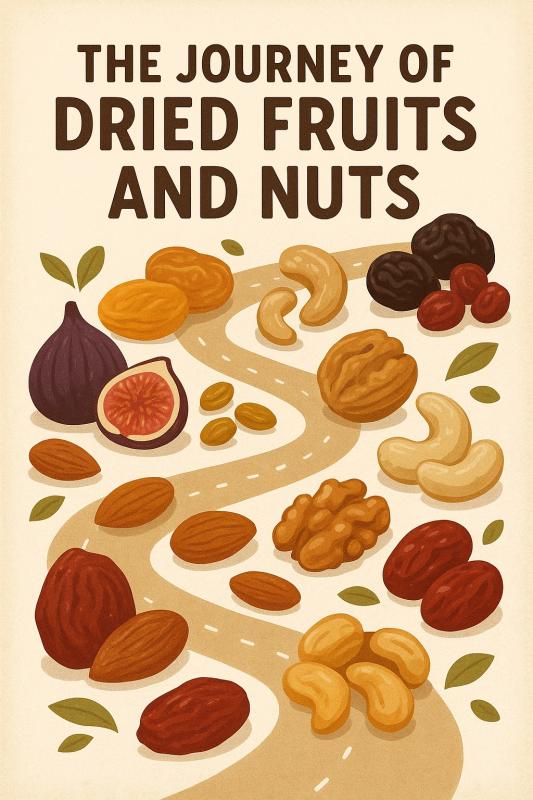
The act of taking a bite of a sweet, chewy
chunk of withered fruit or cracking on a roasted nut is something eternal.
Dried nuts and fruits were a component of the human diet thousands of years
ago, with a concentrated taste, source of energy, nutrition, and convenience.
This post discusses the specialty of dried fruits and nuts, their advantages,
production process, and why Malatya Apricot places great pride in delivering
quality dried fruits and nuts to our customers worldwide.
What Are Dried Nuts and Fruits?
Dried fruits are fresh fruits that have been
dried in some form of drying, such as sun drying, dehydration, freeze drying or
air drying. It is dried and thus more resistant to spoilage, natural sugars can
be concentrated and it is also lighter and therefore easy to transport and
store.
Nuts on the other hand are seeds or kernels
covered with hard shells. Almonds, walnuts, hazel nuts, pistachios, cashews and
numerous others are of this category. Nuts are usually consumed in raw, roast,
salted or combined with other foods. Although they are not actually dry fruits,
nuts have most of the same benefits: a long shelf life, a high density of
nutrients, they are easy to carry, and they are versatile.
The Nutritional Value of Dried Fruits
and Nuts
An excellent nutrient composition is one of
the reasons why dried fruits and nuts should be considered part of your diet.
Withered fruits provide high-density Vitamins and minerals. Apricots, figs,
dates and raisins are rich sources of fiber, antioxidant, potassium and iron as
an example. Drying of fruits increases the concentration of sugar and fiber
content and other useful plant compounds. That makes them mighty partners in
digestion and good health, provided that they are taken in moderation (since
the sugars are more condensed).
Nuts contain good nutrients and they assist
in promoting heart health, brain activity and constant energy levels. A mixture
of dried fruits and nuts produces a snack that is nutritionally balanced,
contains natural sweetness, and crunch without matching many processed snacks.
Orchard to Your
Table: How They are produced
Knowing the process of how dried fruits and nuts
are made will help you to appreciate their quality, and will explain why some
products have better flavours, appearances or stay fresher. It usually begins
in the orchards or nut farms, where timing to harvest is very important. The
fruits should be at the right time to be as tasty as possible, and the nuts
should be at the right time to have the kernel in them well grown.
Harvest is followed by sorting and cleaning.
Fruits and nuts are only picked out when they are healthy. In the case of
fruits, bruised or spotty sections are cut off. The nuts are broken, the
kernels are severed and sorted by size, colour, and quality.
Drying methods vary. Conventional sun drying is
cheap and offers a natural taste, but is time consuming, and requires weather
conditions. Controlled heat and airflow are used in modern dehydration. Freeze
drying also preserves more nutrients and colour because it involves removal of
water at low temperatures. In nuts, drying at low moisture levels or roasting
is recommended to prevent spoilage as well as improve the flavour.
Packaging is also key. Having them well sealed,
maintained at a low humidity and oxygen level, with food safe materials assists
in preserving the flavour, taste, and are one of the reasons why dried fruits
and nuts are safe and retains their flavour and good taste without developing
rancidity. In our company, we are attentive at all the stages. Our raw fruits
and nuts are of the highest quality, our processing is hygienic and we pack to
ensure freshness so that you get the best product possible.
Health Advantages
That You ought to know
Eating a lot of dried fruits and nuts has
numerous health advantages. They contribute to digestion with the help of fibre,
allow controlling weight due to their satiating effect, contribute to energy
production due to their healthy fats and carbohydrates. The iron also prevents
anaemia.
Dried fruits and nuts are a good addition to the
daily diets due to the nutrient density. They are just right as snacks or trail
mixes, sprinkle beautifully on the breakfast, and are also used in cooking and
baking. Not only do they act as a natural sweetener in foods where added sugar
is present, but they add texture and add taste into both sweet and Savory foods.
Weight, Portion and
Moderation
Despite all the advantages, dried fruits and
nuts have high calorie content. The calories of dried fruits are more
concentrated because of the removal of water in the fruits. On the same note,
nuts contain lots of fats, although they contain healthy fats. To individuals
that are mindful of their calorie consumption, or blood sugar readings, it is
important to notice the size of portions. A handful of nuts, or a couple of
pieces of dried fruit, are not very far to go. Dried fruits and nuts can be
eaten with other products such as yogurt or fresh fruit and become even better
and more convenient to incorporate into your diet. It is also prudent to select
the unsweetened and dry fruits and nuts that are either unsalted or have low
salt content since this prevents unnecessary added sugar and sodium.
Final Thoughts
Fruits and nuts are not only snacks. They are
concentrated treasures of nature, full of nutrients, taste and flexibility.
They blend in with good food, traveling, gifting, cooking and snacking.
Nevertheless, the difference is in selecting quality products, eating them in a
moderate manner, and storing them in the proper way.
We at Malatya
Apricot are determined to receive the best dried fruits and
nuts ever grown in orchards, processed with care and delivered with
freshness. As you select our products you are selecting pure flavour, pure
health value and a history of quality all the way Malatya to your table.
Post Your Ad Here
Comments