Functional Furniture Ideas That Encourage Toddler Independence
The toddler years mark a time of rapid growth, exploration, and a strong desire for independence. Children at this stage are eager to do things on their own, whether that means helping in the kitchen, climbing into bed without assistance, or reaching for their favorite books.
Creating an environment that nurtures this developmental stage often goes beyond toys and routines—it extends into the furniture choices within the home. Thoughtfully selected pieces can make daily activities safer, easier, and more empowering for young children.
Functional furniture additions provide more than just practicality. They encourage confidence, strengthen motor skills, and allow toddlers to feel capable of managing small responsibilities. Parents who integrate such pieces into their living spaces create opportunities for their children to learn autonomy while still being supported by structure and safety.
Choosing Step Stools That Encourage Participation
One of the simplest yet most impactful furniture additions for toddlers is a sturdy step stool. By giving children the ability to reach sinks, counters, or shelves, stools promote a sense of participation in everyday tasks. Something as routine as washing hands or helping set the table becomes an empowering experience when a child can access these spaces independently.
The choice of step stool matters, as stability and slip-resistant features ensure safety during use. Placing stools strategically in bathrooms and kitchens allows toddlers to practice hygiene and assist with family routines, both of which nurture a sense of responsibility. This small adjustment helps children transition from being cared for to being active contributors within the household.
Choosing Tables and Chairs That Match Toddler Size
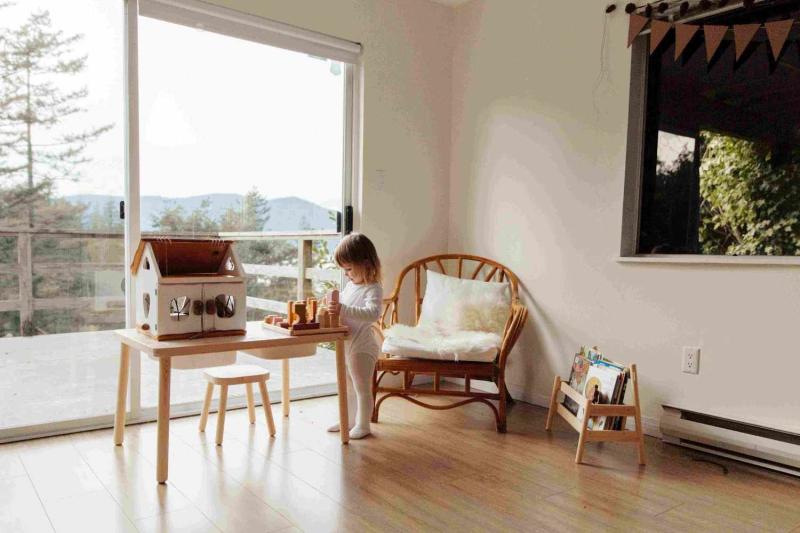
Scaled-down tables and chairs designed for young children encourage independent play, reading, and mealtimes. These furniture pieces provide a comfortable setting where toddlers can sit and engage in activities without the need for constant adult assistance. Whether drawing, building, or sharing a snack, the child-sized proportions foster self-sufficiency and proper posture.
Beyond functionality, toddler-sized seating arrangements create a sense of belonging. When children have a dedicated space tailored to their needs, they feel valued and respected. It also gives them ownership of their environment, reinforcing the idea that they are capable of managing their activities in age-appropriate ways.
Choosing Beds That Support Independent Sleep
Transitioning from a crib to a toddler bed is an important step in building independence. A low-profile bed or floor bed allows children to climb in and out without help, reducing nighttime disruptions and fostering a sense of autonomy around sleep. This shift also provides children with the opportunity to regulate their own rest, which can be both empowering and developmental.
Parents often find that beds designed with rails or guard features balance independence with safety, especially during the early stages of the transition. By giving toddlers control over bedtime routines in a safe and supportive way, families encourage habits that lead to greater self-reliance.
Choosing Learning Furniture That Builds Confidence
Specialized furniture designed for learning and exploration has become increasingly popular among families seeking to support child development. Items like activity tables or kitchen helpers allow toddlers to take part in daily routines in hands-on ways.
For example, incorporating a toddler tower in the kitchen can give children the safe height they need to stir ingredients, wash vegetables, or watch parents prepare meals. Rather than simply observing, they become active participants in family life.
This type of furniture is valuable not only for teaching practical skills but also for boosting confidence. Toddlers who are invited into shared household tasks feel capable and trusted. Over time, this builds resilience, patience, and problem-solving skills that extend well beyond the kitchen.
Choosing Storage Solutions That Encourage Responsibility
Storage furniture scaled to a toddler’s size offers another avenue for building independence. Low shelves, baskets, and bins allow children to access their toys, books, and clothing without assistance. When items are within reach, children can learn to make choices, tidy up after themselves, and take responsibility for their belongings.
Organized storage also introduces toddlers to the concept of categorization and order, which supports both cognitive and behavioral development. Encouraging children to return items to their designated places fosters accountability while also creating a calm, structured home environment.
Final Thoughts on Functional Furniture for Toddlers
Functional furniture choices go far beyond aesthetics; they serve as tools for growth and independence. By offering step stools, child-sized tables and chairs, accessible storage, and specialized learning furniture, parents provide toddlers with opportunities to explore their abilities in safe and meaningful ways.
Supporting independence during these formative years builds confidence that carries into later stages of childhood. When children are given environments that respect their capabilities, they thrive not only as learners but also as individuals developing their sense of self. Thoughtful furniture additions play a significant role in that process, transforming ordinary spaces into supportive environments where independence naturally flourishes.
Post Your Ad Here
Comments