Who Chooses RMC Plants? Contractors, Developers, Precast Yards, and Municipalities
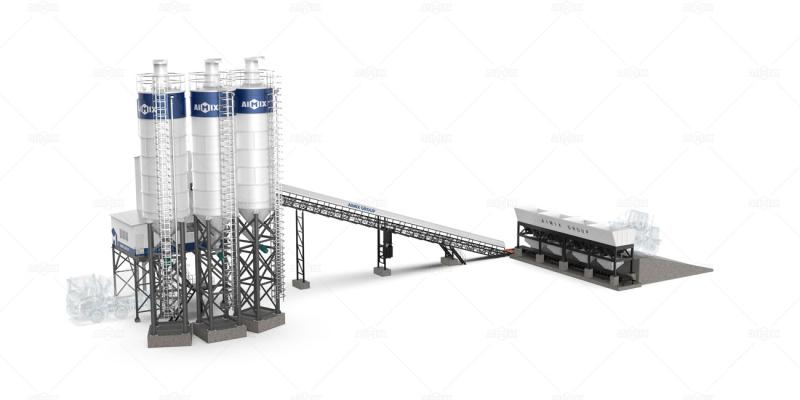
The selection of ready-mix concrete (RMC) plants represents a critical decision point for various stakeholders in the construction ecosystem. This choice directly influences project timelines, structural integrity, cost structures, and operational efficiency across multiple construction sectors. Different entities approach this decision with distinct priorities based on their operational scale, project types, and long-term strategic objectives. The rationale behind these selections reveals complex operational considerations within the built environment.
Technical specifications, production capacities, and logistical capabilities form the primary evaluation criteria for most organizations. However, secondary factors including environmental compliance, automation levels, and maintenance requirements also significantly influence these decisions. Understanding the specific needs driving each stakeholder group provides valuable insights into market dynamics and technological adoption patterns within the concrete industry.
Contractors and Construction Firms
Project-Specific Requirements
Contractors typically select RMC plants based on proximity to job sites and ability to meet precise mix design specifications. Time-sensitive projects demand ready mix plant with reliable dispatch systems and adequate mixer truck fleets to maintain continuous pour operations. The availability of technical support for quality control during placement often determines contractor preference for established plants with proven performance records.
Capacity and Consistency Demands
Large-scale contractors require plants with multiple production lines and redundant systems to ensure uninterrupted supply. Batch-to-batch consistency becomes paramount for structural elements where strength variations could compromise integrity. These operators often establish long-term partnerships with RMC providers capable of documenting strict quality assurance protocols and providing certified mix performance data.
Real Estate Developers and Project Owners
Strategic Sourcing Considerations
Developers frequently make RMC plant selections during project feasibility stages, prioritizing plants with sustainability certifications and environmental compliance. Lifecycle cost analysis often outweighs initial price considerations, leading to preferences for wet mix concrete batching plant offering advanced admixture technologies and specialized mixes that enhance structural longevity. Master-planned communities particularly value suppliers with scaling capabilities to match multi-phase development schedules.
Quality Assurance and Liability Management
Reputation-conscious developers implement stringent vendor qualification processes that evaluate plant certification, testing laboratory accreditation, and historical performance data. The ability to provide comprehensive concrete documentation including temperature logs, slump test results, and cylinder break reports significantly influences selection criteria. These stakeholders often prioritize plants with digital tracking systems that provide real-time quality monitoring throughout the delivery process.
Precast Manufacturers and Municipal Entities
Specialized Production Needs
Precast facilities require RMC plants capable of delivering specialized mix designs with consistent workability characteristics and setting profiles. The need for high-early strength mixes, self-consolidating concrete, and fiber-reinforced compositions often dictates plant selection. Manufacturing schedules demand just-in-time delivery with precise timing to match formwork cycles and production line requirements.
Public Works Specifications
Municipalities and government agencies select RMC concrete batching plant for sale through competitive bidding processes emphasizing compliance with public works specifications and local content requirements. Documentation capabilities for prevailing wage projects and minority business enterprise certifications often determine eligibility. Public entities typically mandate plants with demonstrated capacity to produce DOT-specified mixes and provide required performance guarantees for infrastructure projects.
The RMC plant selection process varies significantly across stakeholder groups, yet all share common requirements for reliability, quality consistency, and technical capability. Contractors prioritize operational efficiency and site support, while developers focus on long-term performance and documentation. Precast manufacturers require specialized mixes and precise delivery scheduling, and municipalities must navigate public procurement regulations. Understanding these distinct perspectives enables RMC providers to tailor their services to specific market segments while maintaining the fundamental quality standards that define the industry.
Post Your Ad Here
Comments