Why Sleep Is Important for Immunization
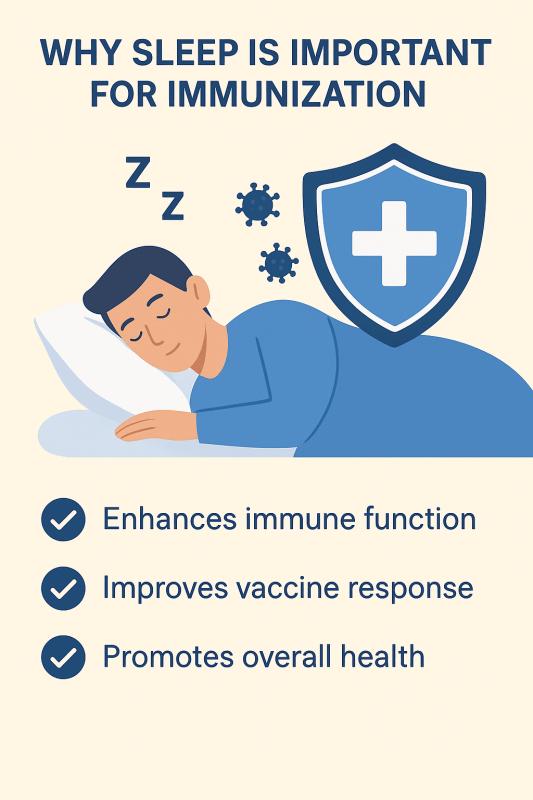
When it comes to protecting your body against diseases, vaccines and healthy nutrition often steal the spotlight. But here’s something you might not realize—sleep is just as important for immunization success as the shot itself.A 2023 study published in Current Biology revealed that people who slept less than six hours after vaccination had significantly lower antibody responses compared to those who got adequate rest. In short, the body’s ability to “remember” and fight off infections depends heavily on deep, restorative sleep.
How Sleep Strengthens the Immune System
-
Antibody Production – During deep sleep, your body produces cytokines, proteins that fight infection and improve immune memory.
-
T-Cell Function – Sleep enhances T-cell activation, which is crucial for targeting viruses after vaccination.
-
Memory Consolidation – Just like your brain stores memories, your immune system “remembers” vaccine instructions better when you’re well-rested.
Adults who sleep fewer than 6 hours are up to 50% less likely to develop a strong immune response to flu vaccines compared to those who sleep 7–9 hours.
Sleep Apnea: A Hidden Barrier to Immunization Benefits
One of the biggest obstacles to healthy sleep is sleep apnea—a disorder where breathing repeatedly stops during sleep. It disrupts deep sleep cycles, leading to fatigue, inflammation, and reduced immunity.
-
People with untreated sleep apnea may not get the full benefit of vaccinations.
-
Sleep apnea increases cortisol (stress hormone) levels, which weakens immune defense.
-
CPAP therapy or lifestyle changes can restore proper sleep cycles and enhance immunization response.
If you snore heavily or wake up gasping, it’s worth checking for sleep apnea—it could be affecting more than just your energy levels.
The Role of Sleep Position and Side Sleeper Pillows in Better Immunity
Your sleep position impacts not only comfort but also how effectively your body restores itself. Research shows that side sleeping improves oxygen flow and reduces risks of sleep apnea compared to back sleeping.
This is where a side sleeper pillow can help:
-
Keeps your spine aligned, preventing neck and shoulder pain.
-
Improves breathing patterns, which is essential for uninterrupted deep sleep.
-
Reduces snoring, making sleep cycles more restorative.
If you’re aiming to improve your immune health before or after vaccination, investing in a quality side sleeper pillow could be a simple yet powerful step.
Lack of Sleep vs. Vaccination Effectiveness: What Studies Say
Sleep and vaccines go hand-in-hand. Multiple studies highlight the link:
-
Flu Vaccine (2019 study, University of California): Adults who slept fewer than 6 hours had weaker antibody responses to the flu shot.
-
COVID-19 Vaccines (2022 study, University of Chicago): Poor sleep before and after vaccination reduced antibody levels by nearly 30%.
-
Hepatitis Vaccine: Consistent 8-hour sleepers showed stronger long-term immunity compared to poor sleepers.
If you don’t sleep well, your body won’t “remember” the vaccine instructions effectively.
Practical Tips for Boosting Immunity Through Better Sleep
If you want vaccines and natural immunity to work their best, here are science-backed tips:
-
Stick to a Routine – Go to bed and wake up at the same time daily.
-
Use Supportive Bedding – A side sleeper pillow can help align your spine and reduce airway blockages.
-
Limit Screen Time Before Bed – Blue light suppresses melatonin, the sleep hormone.
-
Address Sleep Apnea – Seek professional treatment if you experience frequent snoring or breathing pauses.
-
Stay Active – Moderate exercise improves both sleep quality and immune health.
-
Hydrate Smartly – Drink enough water but avoid excess fluids right before bed.
FAQs
Q1. Can sleep really make vaccines more effective?
Yes! Research proves that sleep improves antibody production, making vaccines more effective. Without enough sleep, your immune response can be cut almost in half.
Q2. I have sleep apnea—does that mean vaccines won’t work on me?
Not necessarily. But untreated sleep apnea can reduce vaccine benefits. Using treatments like CPAP or adopting better sleep positions with a side sleeper pillow can improve results.
Q3. How many hours of sleep should I get before and after vaccination?
Experts recommend 7–9 hours of quality sleep for at least 2 nights before and after receiving a vaccine to maximize immunity.
Conclusion
Sleep isn’t just about rest—it’s about resilience. From flu shots to COVID-19 boosters, your immune system relies heavily on sleep to lock in vaccine instructions. Issues like sleep apnea or poor posture can silently undermine this process, but small changes—like using a side sleeper pillow or improving bedtime routines—can make a big difference.

Post Your Ad Here
Comments