How to Improve Posture and Spinal Alignment Using a Side Sleeper Pillow
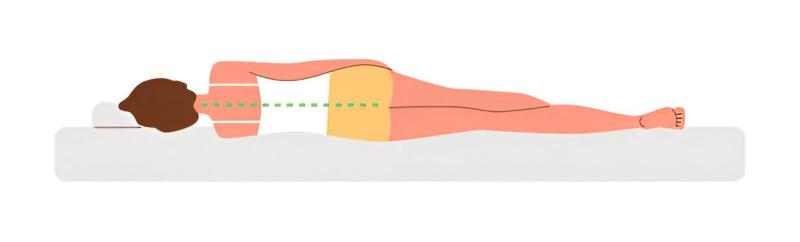
If you’ve ever woken up with a stiff neck, aching shoulders, or lower back pain, your pillow could be the silent culprit. Recent studies from the Journal of Physical Therapy Science (2024) reveal that improper pillow height and firmness can disrupt spinal alignment, leading to long-term posture issues.
The Science Behind Side Sleeping and Spinal Alignment
Side sleeping is the most common sleeping position, with about 74% of people preferring it according to a 2023 sleep habits survey. It’s linked to better breathing, reduced acid reflux, and even lower snoring rates. But here’s the catch:
Without the right side sleeper pillow, your head might sink too low or rest too high, creating a misalignment between your neck and spine. Over time, this can contribute to:
-
Chronic neck stiffness
-
Shoulder pain
-
Misaligned hips
-
Poor posture in waking hours
The Perfect pillow is designed with height, firmness, and contouring in mind to fill the gap between your shoulder and ear, keeping your neck neutral and your spine in a healthy “S” curve.
Choosing the Best Side Sleeper Pillow for Perfect Posture
When searching for the best side sleeper pillow, focus on three main factors:
1. Loft (Height)
-
Too low = neck bends downward.
-
Too high = neck bends upward.The sweet spot is usually 4–6 inches for side sleepers.
Trending Picks:
-
Adjustable memory foam pillows
-
Cooling gel side sleeper pillows
-
Contoured orthopedic pillowsPro Tips for Using a Side Sleeper Pillow the Right WayAlign Your Nose with Your Belly ButtonWhen lying on your side, your head should rest so your nose is in line with your belly button—this keeps your spine straight.Support Between KneesPlace a smaller pillow between your knees to prevent your top leg from rotating your hips forward.Don’t Forget Shoulder SpaceIf your shoulder feels cramped, adjust your pillow slightly forward or backward to relieve pressure.Trial and Error Is KeyYour perfect pillow might not be the first one you buy—don’t be afraid to test different heights and fills.
FAQs
Q1: Can the wrong pillow cause permanent posture problems?Yes. Consistently sleeping with your neck bent out of alignment can lead to long-term posture changes, muscle strain, and even nerve irritation.Q2: How often should I replace my side sleeper pillow?Every 18–24 months for memory foam, and every 12–18 months for down or fiberfill pillows.Q3: Is memory foam the best material for side sleeper pillows?Memory foam is excellent for contouring and support, but latex is also great if you want a bouncier, cooler feel.Final Thoughts
Your pillow is more than a soft rectangle—it’s a nightly alignment tool. Choosing the best side sleeper pillow can drastically improve your posture, reduce morning aches, and support a healthier spine for years to come.
Post Your Ad Here
Comments