Building the Future: Innovative Construction Practices
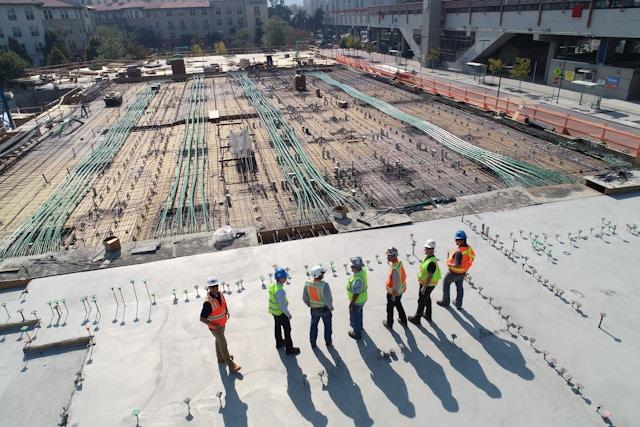
The construction industry, often seen as traditional and slow to change, is on the brink of a revolution. New technologies and building methods are transforming how we create everything from single-family homes to towering skyscrapers. These changes are not just about futuristic gadgets; they are about creating safer, more efficient, and more sustainable buildings. For those in the industry, embracing these new methods is not just an option, it is a necessity to stay competitive and meet the demands of the modern world.
The shift towards innovative construction is driven by several factors. A growing global population requires more housing and infrastructure, while a skilled labor shortage makes it difficult to keep up with demand. Add to that the increasing pressure to reduce the environmental impact of construction, and it is clear that the old ways of doing things are no longer enough. This is where new technologies come in, offering solutions to these challenges and paving the way for a brighter future.
The Rise of the Robots
One of the most exciting developments in construction is the use of robotics and automation. While we are not yet at the point of having fully autonomous construction sites, robots are already making a significant impact. For example, brick-laying robots can work around the clock with incredible precision, while drones are used for everything from site surveys to safety inspections. These technologies not only speed up the construction process but also improve worker safety by taking on dangerous and repetitive tasks. For a deeper dive into how robotics is changing the industry, check out this article on construction innovations from Autodesk.
Building with Bytes: The Digital Revolution
Beyond the physical robots, the digital transformation of construction is perhaps even more significant. Building Information Modeling (BIM) is a prime example. BIM creates a 3D digital model of a building, allowing architects, engineers, and construction professionals to collaborate in a virtual environment. This "digital twin" can be used to identify potential problems before construction even begins, saving time and money down the road.
Another game-changer is 3D printing. While still in its early stages, 3D printing has the potential to revolutionize how we build. From printing entire houses to creating complex building components, this technology offers unprecedented design freedom and the ability to build with greater speed and less waste.
A Greener Way to Build
Sustainability is no longer a niche concern in construction; it is a core principle. Innovations in green building technology are helping to create structures that are not only better for the environment but also healthier for the people who live and work in them. This includes everything from using recycled and sustainable materials to incorporating energy-efficient designs and renewable energy sources.
The push for sustainability is also driving the development of new materials, such as self-healing concrete and transparent wood. These materials not only have a smaller environmental footprint but also offer improved performance and durability. To learn more about the exciting world of innovative building materials, take a look at this article from PlanRadar.
The Future is Now
The construction industry is at a turning point. The innovations that were once the stuff of science fiction are now becoming a reality on job sites around the world. From robotics and AI to sustainable materials and digital twins, these technologies are not just changing how we build, they are changing the very nature of the industry itself. For those who are willing to embrace this change, the future of construction is bright.
Post Your Ad Here