Malatya Apricot | Glycemic Index of Dried Apricots
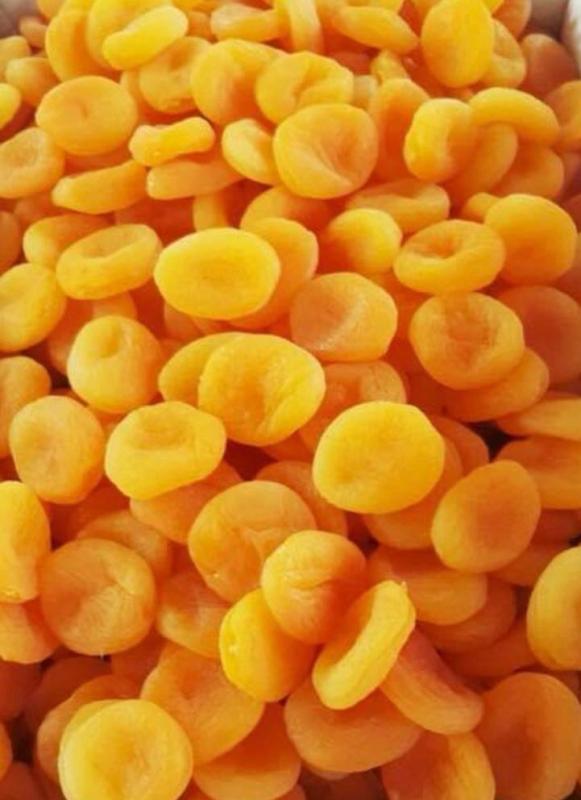
Malatya – The Heart of Apricot Excellence
When it comes to apricots, the city of Malatya in
Eastern Turkey holds an unmatched reputation. Known globally as the World's
Apricot Capital, Malatya produces over 80% of the world’s dried
apricots. What makes this region's fruit particularly unique is the production
of Unsulfured Dried Apricots—a
healthier, more natural alternative to the bright orange sulfur-treated dried
apricots often found in markets.
Glycemic Index of Unsulfured Dried Apricots
Among the many reasons to include it in your diet, their low glycemic index (GI) stands out, especially for individuals mindful of blood sugar levels. This article will explore the glycemic index of unsulfured apricots, their health benefits, and why Malatya's Natural Dried Apricots are gaining popularity worldwide.
What is the
Glycemic Index (GI)?
The Glycemic Index is a measurement system
that ranks foods on a scale of 0 to 100 based on how much they raise blood
sugar levels after consumption. Foods are generally categorized into three GI
levels:
- Low GI (55 or less): Slowly
digested, causing a gradual rise in blood glucose.
- Medium GI (56–69):
Moderately digested.
- High GI (70 or more): Rapidly
digested, causing a quick spike in blood sugar.
Low GI foods are often recommended for people
with diabetes, insulin resistance, or those aiming for steady
energy throughout the day.
Glycemic Index
of Unsulfured Dried Apricots
Unsulfured dried apricots from Malatya have a glycemic
index of around 30 to 40, placing them solidly in the low GI category.
This makes them a smart snack choice for those looking to control their blood
sugar, manage weight, or improve overall metabolic health.
The low glycemic index is primarily due to:
- Natural sugars balanced
with fiber.
- No added sugar or preservatives.
- Sun-drying process which retains nutrients and slows
sugar absorption.
Unlike their sulfur-treated counterparts, Unsulfured
Dried Apricots are dried naturally in the sun without chemical
preservatives. This not only enhances their nutritional profile but also
maintains a more fibrous texture, which slows down the digestion process.
Why Choose
Unsulfured Dried Apricots from Malatya?
Malatya apricots are not just another dried
fruit—they are part of a centuries-old agricultural tradition. Here’s why these
fruits are a global favorite:
1. Naturally
Sun-Dried
The apricots are laid out under the powerful
Anatolian sun for days, slowly losing moisture while retaining nutrients and
flavor. This method avoids the use of sulfur dioxide, a preservative
that can cause allergic reactions in sensitive individuals.
2. Rich in
Antioxidants
Unsulfured apricots are darker in color—a
sign of their rich antioxidant content. They contain beta-carotene, polyphenols,
and vitamin C, all of which help fight oxidative stress in the body.
3. High in
Dietary Fiber
With both soluble and insoluble fiber,
unsulfured apricots aid in digestion, promote gut health, and support healthy
blood sugar levels by slowing the absorption of glucose.
4. Superior
Taste and Aroma
Unlike artificially dried or treated fruits,
Malatya apricots offer a deeper, more caramelized flavor with a chewy
texture that is ideal for snacking, baking, or adding to cereal and yogurt.
Health
Benefits of Low GI Foods Like Unsulfured Apricots
Consuming foods with a low glycemic index, such
as Malatya’s unsulfured apricots, offers a variety of health benefits:
1. Blood Sugar
Control
Low GI foods prevent spikes in blood sugar and
insulin levels. This is particularly beneficial for people with type 2
diabetes or prediabetes.
2. Weight
Management
Since they provide a slower, more sustained
energy release, low GI foods help control appetite and reduce overeating. A
small serving of dried apricots can satisfy sweet cravings without a sugar
crash.
3. Reduced
Risk of Chronic Diseases
Studies suggest that diets high in low GI foods
are associated with a lower risk of heart disease, stroke, and type
2 diabetes.
4. Improved
Energy Levels
Stable blood sugar means consistent energy
throughout the day—ideal for athletes, students, and busy professionals alike.
How to Include
Unsulfured Apricots in Your Diet
Whether you're looking for a healthy snack or a
functional ingredient in meals, unsulfured apricots are versatile and easy to
use:
- Snack: Eat a small handful (4-5 pieces) as a
satisfying mid-day snack.
- Salads: Chop and add them to green salads or grain
bowls.
- Baking: Incorporate into muffins, energy bars, or
homemade granola.
- Breakfast: Add to oatmeal, yogurt, or smoothie bowls.
- Savory Dishes: Pair
with lamb, chicken, or couscous for a Middle Eastern flair.
Remember to moderate your intake, as Dried Fruits
are calorie-dense.
Unsulfured vs.
Sulfured Dried Apricots: What's the Difference ?
|
Feature |
Unsulfured Dried
Apricots |
|
|
Color |
Dark brown |
Bright orange |
|
Additives |
None |
Contains sulfur dioxide |
|
Flavor |
Rich and caramel-like |
Mild and sweet |
|
GI Value |
Lower |
Slightly higher |
|
Shelf Life |
Shorter (natural) |
Longer (preserved) |
|
Best For |
Natural, health-conscious diets |
Long-term storage |
Malatya's Role
in Global Dried Apricot Production
Malatya produces over 95% of Turkey’s
Dried Apricots and 80% of the world’s supply. The region
benefits from:
- Ideal climate conditions (hot
days, cool nights)
- Volcanic soil, rich in
minerals
- Generational farming knowledge
- UNESCO recognition for its
agricultural heritage
This makes Malatya not just a supplier but a guardian
of apricot culture—ensuring quality, sustainability, and taste.
A Smart,
Sweet, and Sustainable Choice
Unsulfured Dried Apricots from Malatya are more
than just dried fruit—they are a nutritional powerhouse and a symbol of natural
agriculture. With a low glycemic index, rich taste, and numerous health
benefits, they are an ideal addition to any diet, especially for those seeking blood
sugar balance and Snacking
Next time you're reaching for a sweet treat,
consider choosing Unsulfured Dried Apricots from Malatya—nature’s
perfect gift, preserved by sun and tradition
Post Your Ad Here
Comments