Why Do You Dream About Falling? What Sleep Science Says
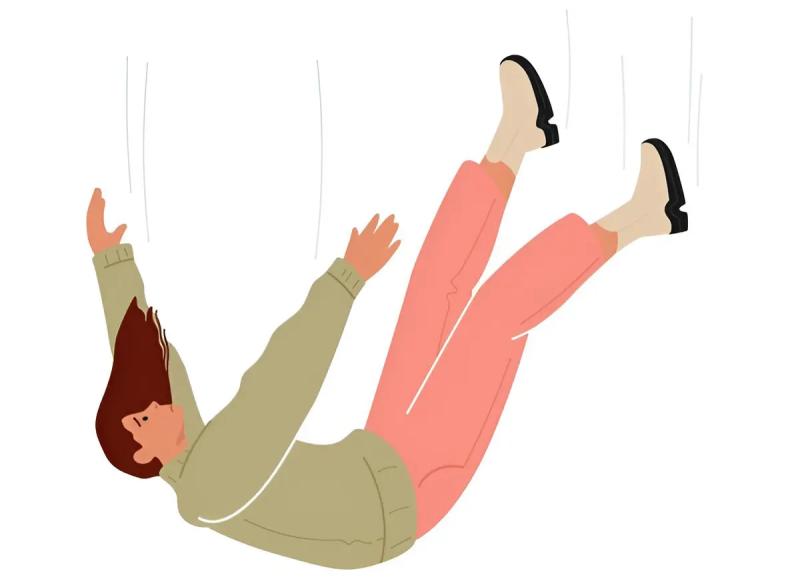
Have you ever felt yourself suddenly drop in a dream—only to wake up with a jolt, your heart racing? You’re not alone. According to a 2024 study published in Frontiers in Psychology, over 65% of people report experiencing "falling dreams" at least once in their lifetime. While these dreams may seem random or even scary, sleep science has uncovered some fascinating links between falling dreams and factors like sleep posture, sleep apnea, sleep paralysis, and even your pillow.
Let’s dive into the real reasons your mind might be simulating a fall—and how to get better, more peaceful sleep.
What Does a Falling Dream Mean?
Traditionally, falling dreams have been associated with a fear of failure or feeling out of control in waking life. Psychologists have often interpreted these dreams as symbolic, but modern science suggests there’s more happening physiologically.
The Science Behind Falling Dreams
Falling dreams are often linked to hypnic jerks -involuntary muscle contractions that occur as you transition into sleep. The brain misinterprets the relaxation of muscles as “falling,” triggering a jolt to keep you safe. This protective mechanism goes back to our ancestors who needed to be alert to falling from trees or other high places while resting.
These jerks are most common during stage 1 of sleep and are usually harmless, but frequent occurrences may indicate underlying sleep issues.
Connection with Sleep Posture and Body Position
Your sleep posture plays a crucial role in how deeply and comfortably you sleep. Sleeping on your back, especially without proper head and neck support, may cause your body to feel less grounded—possibly triggering that falling sensation. Similarly, poor alignment from an unsupportive mattress or pillow can confuse your body’s balance perception while asleep.
Tip:
Maintain a neutral spine with a good-quality pillow that keeps your head aligned with your spine. Side sleeping with a knee pillow can also stabilize your posture and reduce unwanted movement.
Can Sleep Apnea Trigger Falling Dreams?
Yes. Sleep apnea, particularly obstructive sleep apnea (OSA), causes repeated interruptions in breathing during sleep. These brief awakenings often come with gasping or choking sensations, which your brain can interpret as falling.
Clinical Insight:
A study in the Journal of Clinical Sleep Medicine showed a correlation between apnea episodes and vivid dreams involving falling or drowning. These dreams may act as your brain’s way of alerting you to breathing irregularities.
Sleep Paralysis and Sudden Falling Sensations
If your falling dream ends with you being “stuck” or unable to move, it could be linked to sleep paralysis. This occurs when you’re awake but your body remains paralyzed in REM sleep mode. The terrifying sensation of falling and not being able to control it can blend into dreams, creating an intense, nightmarish experience.
Is Your Pillow Making You Dream About Falling?
Surprisingly, yes. An unsuitable pillow can affect your neck angle and breathing pattern. When your airway is slightly obstructed, even without full-blown apnea, your brain may react by initiating a falling dream to wake you up and restore normal function.
Tip:
Choose a pillow based on your sleeping position:
-
Side sleeper? Use a firm pillow.
-
Back sleeper? Use a medium-support pillow.
-
Stomach sleeper? Use a thin or soft pillow.
Interesting Facts About Falling Dreams
-
Falling dreams are more common in young adults and teens due to higher stress levels and hormonal changes.
-
The sensation of falling is tied to the vestibular system, which controls balance.
-
Dream studies show people who sleep in overheated environments are more likely to have intense or distressing dreams.
Tips to Prevent Falling Dreams and Improve Sleep Quality
Sleep on a comfortable mattress with good motion isolation
Upgrade your pillow every 12-18 months for proper support
Avoid caffeine and screens 1-2 hours before bed
Practice deep breathing or meditation to relax the nervous system
Keep a sleep journal to track recurring dream patterns
9. FAQs About Falling Dreams
Q1. Why do I always feel like I’m falling when I start to sleep?
This is most likely a hypnic jerk, a common muscle spasm triggered by the body relaxing too quickly during sleep onset. It's usually harmless.
Q2. Can stress or anxiety cause falling dreams?
Absolutely. High cortisol levels and mental tension can disturb REM sleep, leading to more vivid, unsettling dreams, including falling.
Q3. Should I be concerned if I often dream of falling?
Occasional falling dreams are normal. But if they’re frequent and accompanied by poor sleep, choking, or waking gasping—get evaluated for sleep apnea or consult a sleep specialist.
Post Your Ad Here
Comments