Can Sleep Apnea Cause Sleep Paralysis?
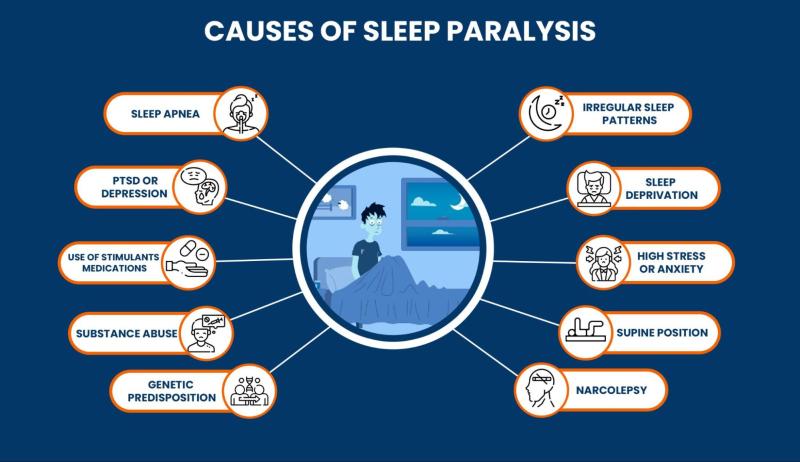
According to a 2024 study published in Nature and Science of Sleep, individuals with obstructive sleep apnea (OSA) are 3.7 times more likely to experience sleep paralysis than those without. Sleep experts believe that the interrupted REM cycles caused by apnea may lead to this frightening experience of waking up paralyzed.Scientific reasoning links both conditions to REM sleep disruptions, oxygen deprivation, and poor sleep posture—which could all be aggravated by using the wrong pillow or sleeping in the wrong position. Let’s break down the facts, explore the risks, and give you simple, expert-backed solutions.
What Is Sleep Paralysis
Sleep paralysis is a temporary inability to move or speak when waking up or falling asleep. During this state, you may feel:
-
A heavy weight on your chest
-
Inability to move your arms or legs
-
Hallucinations or a sense of a “presence” in the room
-
Panic or fear without any physical danger
It usually lasts only a few seconds to 2 minutes, but it can feel like a terrifying eternity.
Understanding Sleep Apnea and Its Side Effects
Sleep apnea is a sleep disorder where breathing repeatedly stops and starts. The most common type is Obstructive Sleep Apnea (OSA), caused by relaxed throat muscles blocking airflow.
Side effects of sleep apnea include:
-
Loud snoring
-
Gasping for air during sleep
-
Daytime fatigue
-
Mood changes
-
High blood pressure
-
Disrupted REM sleep
Because REM is the stage where vivid dreams and muscle paralysis naturally occur, disturbing it could make you more susceptible to disordered REM experiences, like sleep paralysis.
The Link Between Sleep Apnea and Sleep Paralysis
So—can sleep apnea cause sleep paralysis? Indirectly, yes.
Research shows that individuals with sleep apnea have fragmented sleep architecture, especially REM disruption. This disruption may cause:
-
REM rebound, which increases dream intensity
-
Interrupted transitions between sleep stages, leading to misfiring of the brain-body communication
As a result, you may wake up cognitively before your body "reboots", causing temporary paralysis.
In short: Apnea leads to fragmented sleep → affects REM → increases chances of sleep paralysis.
Read More About : REM- Sleep
Sleep Posture Matters: How You Sleep May Be Haunting You
Did you know your sleep posture can play a major role in both apnea and paralysis?
Worst posture: Sleeping on your back
-
Increases airway blockage
-
Encourages tongue/throat tissue collapse
-
Promotes more frequent apneic events
-
Can intensify sleep paralysis episodes
Best posture: Sleeping on your side
-
Opens airways
-
Reduces apnea events
-
Promotes smoother REM transitions
Can the Right Pillow Help Prevent Sleep Paralysis?
Absolutely! The right pillow can support spinal alignment and reduce apnea triggers.
Choose a pillow that:
-
Supports side sleeping
-
Maintains neck in neutral position
-
Is adjustable to your body shape
-
Promotes airflow and reduces snoring
Memory foam, wedge pillows, or contoured cervical pillows are all highly recommended for people with sleep apnea or chronic sleep issues.
Tips to Reduce Both Sleep Apnea and Sleep Paralysis
Here are expert-approved lifestyle tips to help you sleep better—and fearlessly.
1. Change Your Sleep Position
Avoid sleeping on your back. Train yourself to sleep on your side using a body pillow.
2. Use a Sleep-Optimized Pillow
Invest in a pillow that supports your neck and opens your airway.
3. Maintain a Consistent Sleep Schedule
Go to bed and wake up at the same time every day to balance your circadian rhythm.
4. Avoid Heavy Meals and Alcohol Before Bed
They can relax throat muscles and worsen apnea.
5. Lose Weight If Advised
Obesity is a major contributor to sleep apnea.
6. Consider a CPAP Machine (If Diagnosed with OSA)
CPAP therapy can reduce both apnea and the risk of disrupted REM sleep.
Quick Facts You Should Know
90% of sleep paralysis occurs during REM sleep, the same stage most affected by apnea.
People with poor sleep hygiene are more prone to both apnea and paralysis.
Sleep paralysis is more common in people with stress, anxiety, or depression.
Sleeping on your side with a supportive pillow significantly reduces apnea episodes.
If sleep issues persist, always consult a sleep specialist.
FAQs
Can sleep posture really stop sleep paralysis?
Yes! Sleeping on your side with the right pillow reduces apnea events and helps your brain transition smoothly between sleep stages—reducing paralysis risk.
Why do I feel paralyzed after waking up gasping for air?
This is likely a combination of REM disruption from apnea and partial awakening. Your brain is awake, but your body hasn’t “caught up” yet. See a doctor to evaluate for OSA.
Post Your Ad Here
Comments