First Friends: How Nursery Schools Help Children Learn to Belong and Connect
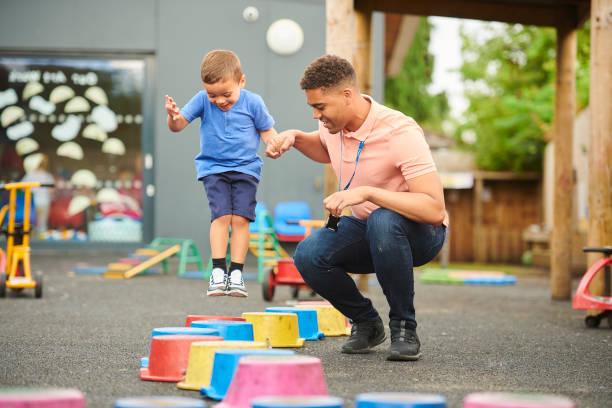
In the earliest years of childhood, friendships are more than playmates to pass the time. They are essential building blocks for developing empathy, confidence, and a sense of belonging. Nursery schools play a vital role in guiding children as they form their first relationships, discover how to cooperate, and learn what it feels like to be part of a community.
From shared laughter in the sandbox to gentle encouragement after disagreements, these early social experiences are where lifelong skills begin to take root.
The Importance of Early Connection
Human beings are wired for connection. Even toddlers naturally seek out companionship and comfort in others. At nursery, this innate drive is supported by environments that are safe, predictable, and full of opportunities to engage. When young children feel secure, they’re more willing to reach out, share, and try new things alongside their peers.
Teachers are instrumental in creating this sense of safety. By offering consistent routines and warm, responsive care, they help children feel valued and understood. Over time, this confidence becomes the foundation for healthy relationships.
Learning to Share and Collaborate
Social learning doesn’t happen by accident—it emerges through guided experiences and patient modelling. Whether it’s building towers together, taking turns with a favourite toy, or cleaning up after snack time, every shared moment teaches children how to negotiate, compromise, and cooperate.
In nurseries walton on thames, educators plan activities that encourage teamwork without overwhelming young learners. Simple group projects, storytelling circles, and collaborative art all create space for connection while strengthening communication skills.
Emotional Literacy in Action
Strong relationships depend on understanding and managing feelings. Nursery teachers gently coach children to recognise their emotions and express them in appropriate ways. When a child feels frustrated or sad, staff respond with empathy and help them name their feelings.
These daily lessons in emotional literacy empower children to handle conflict with kindness and resilience. Over time, they learn that it’s okay to feel upset—and that friends will still be there once the big feelings pass.
Creating a Sense of Belonging
One of the greatest gifts a nursery can offer is a sense of belonging. When children see themselves reflected in classroom materials, routines, and celebrations, they understand that their family, culture, and identity are respected.
A Montessori nursery environment, for example, often emphasises inclusion and community. Through mixed-age groups and thoughtfully prepared spaces, children naturally develop respect for others and an understanding of their place in the group.
Partnering with Families
Nurturing friendships doesn’t end at the nursery door. Strong partnerships with families help children build consistent relationships and feel supported in their social growth. By keeping communication open and working together, parents and teachers can celebrate progress and gently guide children through challenges.
Lifelong Benefits
The skills children learn with their first friends extend far beyond the early years. From empathy and cooperation to resilience and confidence, these foundational experiences shape how they approach relationships for life.
By investing in warm, inclusive environments where every child feels they belong, nursery schools lay the groundwork for happier, more connected communities—one small friendship at a time.
Post Your Ad Here
Comments