Eyes Wide Open: Using Observation to Personalise Nursery Teaching
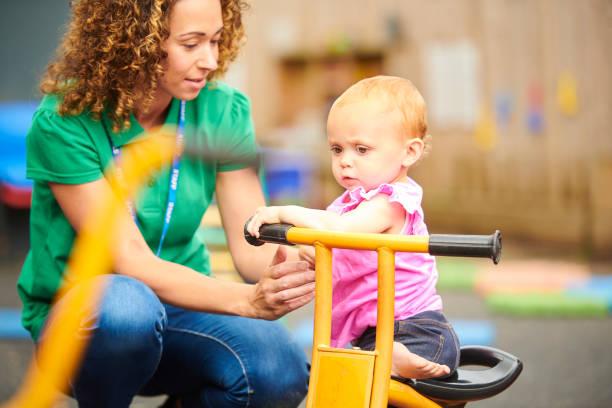
In the best early years settings, no two children are expected to learn in exactly the same way. Every child brings their own strengths, interests, and challenges to the classroom. So how do skilled practitioners know what each child needs next? The answer lies in something deceptively simple but incredibly powerful: observation.
Careful, consistent observation is the cornerstone of high-quality nursery education. It allows teachers to see beyond the surface and truly understand how each child learns, communicates, and grows. When educators tune in closely, they can tailor experiences that nurture each child’s development in a way that feels natural and engaging.
Let’s explore how observation transforms teaching and why it’s essential for any setting striving to help children thrive.
What Is Observation in Nursery Education?
Observation is far more than watching children play. It’s a structured process of noticing what children do, documenting their actions and words, and reflecting on the meaning behind them. Practitioners look for:
-
Emerging interests (like dinosaurs, music, or building)
-
Learning styles (active experimentation, quiet reflection, or hands-on exploration)
-
Social relationships and emotional needs
-
Communication skills and language development
-
Physical abilities and coordination
This information provides a clear, holistic picture of each child’s progress and unique personality.
Personalising Learning Through Observation
When teachers understand what excites and motivates a child, they can design activities that feel relevant and rewarding. For example, if a child shows fascination with pouring water, educators might introduce measuring cups to develop early maths concepts or set up a watercolour painting activity to support creativity and fine motor skills.
Observation also helps practitioners identify when a child may need additional encouragement or support, whether it’s with language development, confidence in group play, or mastering a new physical skill. This responsive approach helps every child feel valued, seen, and successful.
Strengthening Relationships and Wellbeing
Close observation strengthens the bonds between children and practitioners. When children sense that adults genuinely understand them, they develop trust and a sense of security—essential foundations for learning. In settings like nursery schools in ealing, where diverse communities come together, this attunement is particularly vital for helping children settle, feel respected, and thrive.
Observation also empowers educators to share meaningful insights with families. Instead of general updates, practitioners can offer specific examples of progress: “Today, Mia confidently counted out five cups in the water tray,” or “Sam invited two friends to join his game, showing wonderful turn-taking.” This helps parents feel connected and reassured that their child is making progress.
Creating a Cycle of Continuous Improvement
Observation isn’t a one-off exercise; it’s an ongoing cycle. Practitioners observe, plan, and reflect, then observe again. This continuous process means that teaching stays responsive and dynamic, rather than relying on a static curriculum.
Settings like west ealing nursery often weave observation into daily routines, ensuring that no moment is wasted—whether it’s during free play, snack time, or outdoor adventures. Over time, this approach creates a rich tapestry of knowledge about each child, guiding everything from daily activities to long-term learning goals.
Conclusion: The Power of Seeing Each Child Clearly
Observation may look simple, but it’s one of the most skilled aspects of early years education. It transforms teaching from generic to personal, turning ordinary interactions into opportunities for growth.
When educators keep their eyes wide open and their minds curious, children benefit from learning that reflects who they are—and who they are becoming. In a world where early experiences shape a lifetime of learning, nothing matters more than truly seeing each child for the individual they are.
Post Your Ad Here
Comments