Bridging Home and School: How Preschools Support Busy Families Beyond Drop-Off
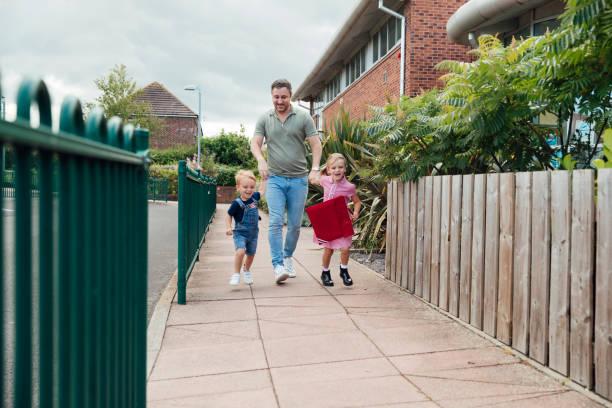
In today’s fast-paced world, balancing work, family, and a child’s early education can be a delicate act. For many families, preschools are more than just places of learning—they are trusted partners in the journey of early childhood. While the morning drop-off marks the start of a child’s day, the support families receive from a quality preschool continues far beyond the classroom walls.
Preschools that truly understand the needs of modern families create an ecosystem of care, communication, and consistency that bridges home and school. This article explores how thoughtful early years settings provide not only learning opportunities for children but essential support systems for parents—especially in busy urban communities where time and energy are often stretched.
Understanding the Needs of Today’s Families
Family dynamics have evolved. Many households have both parents working full-time, and others are navigating shift work, single parenthood, or caring for multiple children. In these situations, parents rely on preschools not just for education, but also for practical, emotional, and logistical support.
High-quality preschools recognise this shift. They offer flexible schedules, open communication channels, and holistic child care services that ease the daily pressures families face. This isn’t about adding more to a teacher’s to-do list—it’s about building a strong, responsive relationship between school and home that supports a child’s wellbeing and development.
Daily Routines That Reassure and Connect
Children thrive on predictability. Preschools help maintain a steady rhythm through consistent daily routines—arrival, meals, play, rest, learning—that mirror and complement routines at home. This not only provides comfort and security for children but also creates a sense of harmony between their two main environments.
In a nurturing nursery in brentford, staff work with families to understand each child’s preferences and habits, from sleep schedules to dietary needs. This kind of personalised care reassures parents that their children are not just being watched—they're being truly known and supported.
Communication That Builds Trust
Clear, frequent communication is at the heart of effective preschool-family partnerships. Whether through daily handovers, mobile apps, or scheduled check-ins, families appreciate being kept in the loop about their child’s day—what they learned, how they ate, who they played with, and how they felt.
Open lines of communication also allow parents to share concerns or observations from home, which can help teachers tailor support strategies more effectively. When parents and educators share insights, children benefit from continuity and mutual understanding.
Supporting Parenting at Home
Many preschools extend their support by offering resources and guidance for home life. This might include:
-
Workshops on topics like sleep routines or screen time.
-
Lending libraries with books and activities.
-
Suggestions for extending learning at home through play, conversation, or daily routines.
For busy parents, especially those juggling multiple roles, this kind of input can be incredibly valuable. It empowers families to reinforce preschool learning in meaningful and manageable ways, even in the midst of hectic schedules.
A Community of Support
Beyond logistics, preschools also offer something less tangible but equally vital: community. A welcoming preschool becomes a place where families connect, friendships are formed, and everyone feels supported.
In a trusted nursery brentford setting, families often find themselves part of a close-knit environment where birthdays are celebrated, milestones are cheered, and challenges are shared. This sense of belonging reduces stress and isolation, especially for new parents or those without extended family nearby.
Conclusion: A True Partnership for Growth
Preschools that understand the broader needs of families do more than prepare children for primary school—they become a cornerstone of family life. By offering flexible care, open communication, and community connection, these early years settings make life easier for parents and richer for children.
When families and preschools work hand in hand, the results go beyond school readiness—they build strong, resilient children who know they are supported at every step. In bridging home and school, preschools truly support families far beyond the drop-off.
Post Your Ad Here
Comments