First Goodbyes: Easing Separation Anxiety for a Smooth Nursery Transition
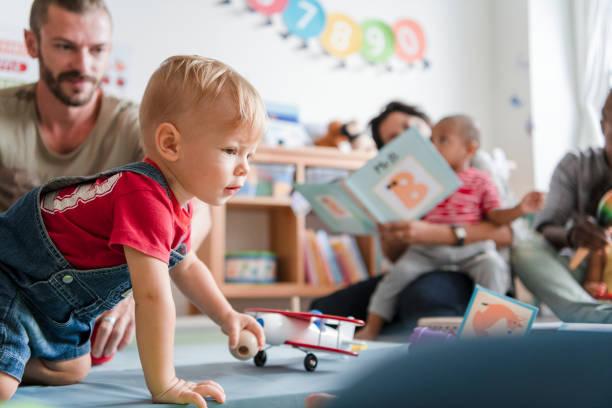
Starting nursery is a milestone that marks the beginning of a child’s formal learning journey—and for many families, it’s also the first time parent and child spend extended periods apart. While this transition is filled with exciting opportunities for growth and socialisation, it often comes with an emotional challenge known as separation anxiety.
Separation anxiety is a normal developmental phase, typically peaking between 9 months and 3 years of age. But just because it’s common doesn’t mean it’s easy. The good news is, with understanding, preparation, and a nurturing environment, children can adjust to nursery life with confidence and joy.
Understanding the Roots of Separation Anxiety
Children form strong bonds with their caregivers in their earliest months and years. These attachments provide the sense of safety and security they need to explore the world. When separated from this base of comfort—especially in an unfamiliar setting—children may express fear, sadness, or clinginess.
This emotional reaction is not a sign of weakness or a predictor of future difficulties. In fact, it reflects healthy attachment. However, helping children learn to separate confidently is essential for their development. It fosters independence, emotional resilience, and adaptability—traits that serve them throughout life.
The Nursery Environment Matters
A warm, predictable, and child-centred nursery setting plays a crucial role in easing the transition. Staff who are attuned to children's emotional needs, structured routines that create a sense of stability, and welcoming classrooms filled with engaging materials all contribute to a child feeling safe and cared for.
At a high-quality Nursery in Wembley, staff work in close partnership with parents to create individualised settling-in plans. Gradual introductions, familiar comfort items from home, and open communication help children adjust at their own pace. Importantly, parents are reassured that tearful goodbyes are temporary—and that with support, children begin to look forward to their time at nursery.
Strategies for a Smooth Goodbye
Parents play an important role in the transition process. Here are some practical steps that can help make those first goodbyes a little easier:
-
Start Small: Begin with short visits and gradually increase time spent at nursery to build familiarity and trust.
-
Establish a Routine: Children thrive on predictability. A consistent morning routine and a calm, confident goodbye signal that everything is okay.
-
Avoid Sneaking Away: As tempting as it might be, disappearing without saying goodbye can increase anxiety. Say a warm, cheerful farewell and let your child know you’ll be back.
-
Use Transitional Objects: A special toy, blanket, or family photo can provide comfort during the day.
-
Stay Calm and Positive: Children are sensitive to adult emotions. Expressing confidence in the nursery staff and the transition can reassure your child more than words alone.
Emotional Growth Through Independence
While separation can feel daunting at first, learning to cope with it is a vital developmental step. Children who master this transition often experience a surge in confidence, self-esteem, and curiosity. They begin to form their own friendships, explore new environments, and discover that they are capable of navigating challenges.
Nurseries that place an emphasis on emotional wellbeing—such as many Independent schools in Middlesex—tend to excel at helping young learners thrive. They combine academic preparation with strong pastoral care, ensuring children are supported in every dimension of their growth.
Conclusion: The First Step Toward Independence
The journey into nursery life begins with a simple but powerful act: saying goodbye. Though it may be difficult at first, with patience, support, and a nurturing environment, children learn that separation is not an end, but the beginning of something exciting.
When parents and educators work together to ease this transition, children not only adapt—they flourish. They build the emotional strength that will serve them well in school and beyond, gaining the confidence to explore a world full of learning, friendship, and possibility.
Post Your Ad Here
Comments