Creating Texture in Amigurumi with the Right Yarn Choices
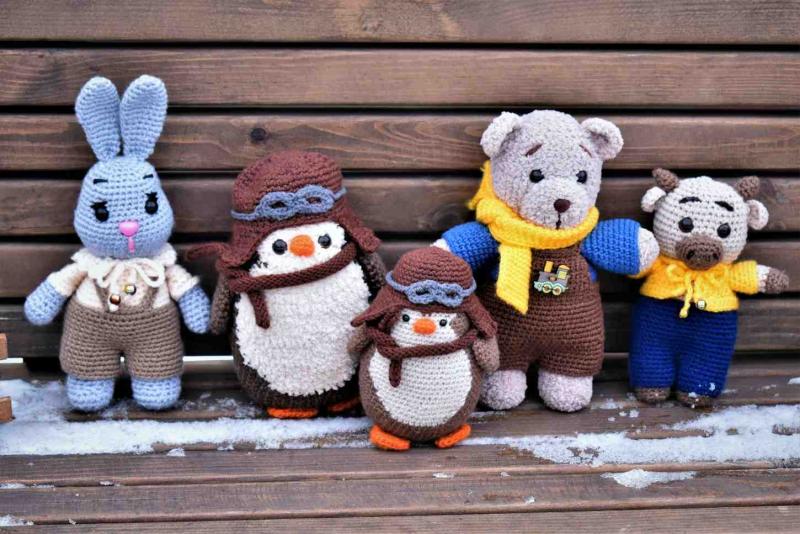
Amigurumi has long been a favorite among crochet artists for its charm and versatility. These handmade creations, often small and expressive, come to life not only through craftsmanship but also through the texture of the yarn used.
The yarn you select plays a crucial role in defining how your amigurumi feels, looks, and holds its shape. From smooth and sleek finishes to fuzzy or plush surfaces, the texture can elevate the personality of your work.
Choosing Fiber Types That Shape the Look
Different fibers offer distinct tactile and visual qualities. Cotton yarn tends to produce a dense, clean texture that works especially well for crisp details like facial features, limbs, or clothing. It's less stretchy than other yarns, which helps with consistency in stitch definition and form. This makes it ideal for structured amigurumi that requires firmness and precision.
Acrylic yarn, on the other hand, brings more flexibility. It’s softer to the touch and has a slight sheen that gives toys a playful, smooth surface. While it may not hold shape as tightly as cotton, it provides a softer overall appearance, which many crafters prefer for animal figures or baby-safe toys.
Blended yarns that combine acrylic and cotton often offer a balance between structure and softness. They can help achieve textured depth without sacrificing durability or stitch clarity. These options are great for artists looking to blend realism with a touch of whimsy.
Matching Yarn Weight to the Design
The thickness of your yarn—also known as yarn weight—has a direct impact on the final texture of your project. Thinner yarns like sport or DK weight offer more delicate results, perfect for small features or finely detailed pieces. On the other end of the spectrum, heavier yarns like worsted weight can bring bulk and a plush feel, ideal for larger toys or those with a soft, huggable form.
Using the same pattern with different yarn weights can yield dramatically different results. The denser the yarn, the more tactile and textural the finished piece will appear. Adjusting hook size accordingly allows the yarn’s qualities to shine without compromising stitch tightness, which is essential for stuffing security in amigurumi.
Considering Yarn Finish for Added Expression
Some yarns have additional finishes or textures that impact the character of your amigurumi. Mercerized cotton, for example, has a slight shine and feels smoother, giving projects a polished, refined appearance. In contrast, matte yarns tend to offer a more natural, handmade look.
For unique texture in amigurumi, consider specialty yarns like boucle and chenille. Although they may be harder to work with due to hidden stitches, these yarns can create charming fuzzy ears or plush tails, adding depth and visual interest. Shops such as Premier Yarns offer a wide variety of yarn finishes, allowing crafters to experiment with color and texture to enhance the amigurumi's sensory appeal.
Ultimately, the yarn you choose sets the tone for your amigurumi. Whether you're creating a whimsical creature or a character with realistic details, the texture should support your artistic vision. Every fiber, weight, and finish contributes to the overall personality of the project. While skill and creativity guide the process, yarn texture is what gives your amigurumi its soul.
Post Your Ad Here
Comments