Tea Parties and Toolkits: How Pretend Play Builds Real-Life Skills
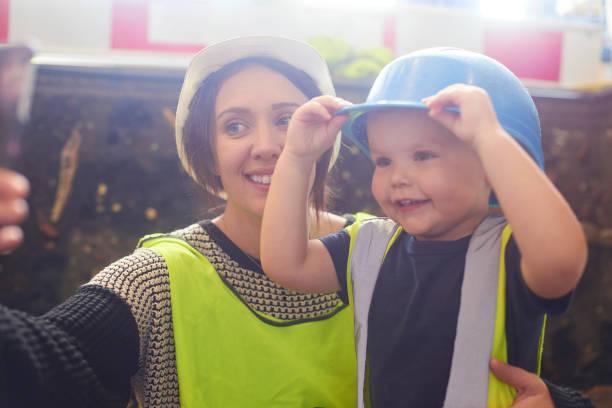
In the joyful world of early childhood, few activities are as universally loved and instinctively chosen by children as pretend play. From setting up tea parties for teddy bears to "fixing" toy cars with plastic screwdrivers, this form of imaginative play is far more than just fun — it's a cornerstone of healthy cognitive, social, and emotional development.
Whether you’re a parent, caregiver, or early years educator, understanding the hidden power of pretend play can help you better support a child’s growth — especially during the critical years spent in nursery.
What Is Pretend Play?
Pretend play (also called dramatic or imaginative play) occurs when children role-play real or imagined scenarios. They might pretend to be doctors, parents, shopkeepers, or builders, often using toys, props, or even nothing at all to act out these roles. It’s in these make-believe moments that big developmental strides are being made.
Cognitive Development Through Imagination
When children engage in pretend play, they are constantly exercising their brains. Planning a pretend tea party, for example, requires sequencing (first we set the table, then we pour the tea), memory (what do we do at a real tea party?), and problem-solving (how do we handle too many guests and not enough chairs?).
Children also develop symbolic thinking — the ability to let one object represent another. That banana becomes a phone, and that block turns into a computer. This abstract thinking is a foundational skill that will later support reading, maths, and science learning.
Social and Emotional Growth
Tea parties and toolkits often involve more than one child, and that’s where the social magic happens.
During pretend play, children learn to:
-
Share and take turns
-
Negotiate roles and responsibilities
-
Empathise by putting themselves in someone else’s shoes
-
Express emotions safely
For example, a child pretending to care for a "sick" doll is practicing nurturing behaviours and learning to respond to others’ feelings — a vital step in emotional development.
Language and Communication Skills
Pretend play provides a natural context for language-rich interaction. Whether they’re inviting a friend to the tea party or explaining how to "fix" a wobbly chair, children are expanding their vocabulary, experimenting with sentence structure, and learning conversational norms.
Educators in every well-structured nursery in New Malden understand this, which is why you’ll often find dedicated role-play areas set up with dress-up clothes, toy kitchens, and construction sets.
Motor Skills and Coordination
It might look like play, but when a child is stacking plastic cups at a pretend café or using a toy hammer in a "construction site", they’re building fine and gross motor skills. These are the same skills that will later help them write with a pencil, tie their shoelaces, and participate in sports.
Fostering Independence and Confidence
When children engage in make-believe roles, they’re often placing themselves in positions of control — they become the teacher, the doctor, the chef. This role reversal gives them a sense of autonomy and helps build self-confidence. They’re learning, in a safe and structured way, how the adult world works — and how they fit into it.
How Parents and Educators Can Support Pretend Play
Here are a few practical ways to encourage pretend play at home or in early years settings:
-
Create a dedicated role-play corner with simple props and costumes
-
Rotate themes regularly (e.g. post office, vet clinic, space station)
-
Follow the child’s lead — let them choose roles and make up scenarios
-
Model play by joining in without directing
-
Use real-life experiences (e.g. a recent dentist visit) as inspiration for play
Final Thoughts
Pretend play may look simple, but it’s one of the most powerful developmental tools in the early years. Through tea parties and toolkits, children explore their world, build critical life skills, and make sense of human relationships — all while having fun.
By valuing and nurturing imaginative play, we give children a strong foundation not only for school readiness, but for life beyond the classroom.
Post Your Ad Here
Comments