Advanced Methods for Detecting Deformation of Drying Drum Cylinders in Asphalt Mixing Plants

Detecting deformation in the drying drum cylinder of asphalt mixing plants is critical for maintaining operational efficiency and product quality. Advanced detection methods enable operators to identify issues early, preventing costly downtime and enhancing safety. This article explores some of the most effective techniques for monitoring the structural integrity of drying drum cylinders.

Importance of Monitoring Deformation
The drying drum cylinder plays a vital role in the asphalt production process, as it is responsible for drying and heating the aggregates. Any deformation in this component can lead to uneven heating, affecting the quality of the asphalt mix. Moreover, significant deformation can result in equipment failure, leading to costly repairs and production delays. Therefore, implementing advanced detection methods is essential for ensuring the longevity and reliability of both stationary and mobile asphalt mixing plants.

Common Detection Techniques
-
Laser Scanning Technology
Laser scanning offers a non-invasive method for detecting surface deformations. This technology uses lasers to create a precise 3D model of the drying drum cylinder, allowing operators to identify deviations from the standard shape. For instance, in a drum mix asphalt plant, regular laser scans can help monitor the cylinder's condition over time, enabling proactive maintenance before any significant issues arise. -
Ultrasonic Testing
Ultrasonic testing involves sending sound waves through the material of the drying drum cylinder. Variations in the sound waves can indicate structural flaws or deformations. This method is particularly effective for identifying internal defects that may not be visible externally. For small portable asphalt plants, this technique offers a practical solution for on-site assessments without requiring extensive downtime. -
Vibration Analysis
Monitoring the vibrations of the drying drum cylinder can provide insights into its structural integrity. By analyzing vibration patterns, operators can detect imbalances or misalignments that may indicate deformation. This method is often used in fixed asphalt mixing plants, where continuous monitoring can alert operators to potential issues before they escalate.
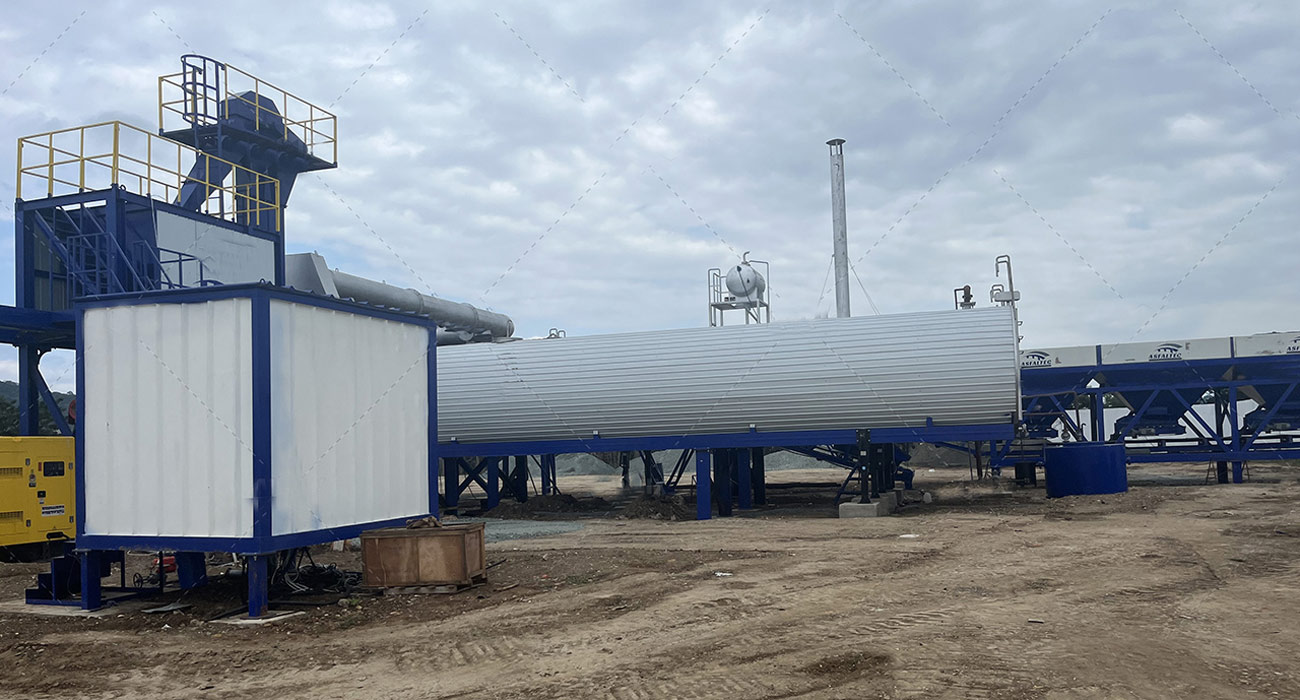
Implementing a Comprehensive Monitoring Strategy
To effectively manage the health of drying drum cylinders, asphalt mixing plants should implement a comprehensive monitoring strategy that combines these advanced detection methods. By integrating laser scanning, ultrasonic testing, and vibration analysis, operators can create a robust system for real-time monitoring.
For example, regular inspections using laser scanning can be complemented by ultrasonic tests during scheduled maintenance. Additionally, vibration analysis can be continuously monitored through IoT (Internet of Things) devices, providing immediate feedback on the condition of the drying drum cylinder. This multi-faceted approach not only enhances the reliability of the equipment but also helps in planning maintenance activities more effectively.
Conclusion
In conclusion, detecting deformation in the drying drum cylinder of asphalt mixing plants is crucial for maintaining efficiency and product quality. Advanced methods such as laser scanning, ultrasonic testing, and vibration analysis provide valuable insights into the structural integrity of these critical components.
By adopting a comprehensive monitoring strategy, operators can ensure the longevity and reliability of both stationary and mobile asphalt mixing plants. As the industry continues to evolve, integrating these technologies will be essential for maximizing productivity and minimizing operational risks. Investing in advanced detection methods not only safeguards equipment but also enhances the overall performance of asphalt production processes.
Post Your Ad Here
Comments