What Makes the Indian Economy Resilient Amid Triumphs and Challenges?
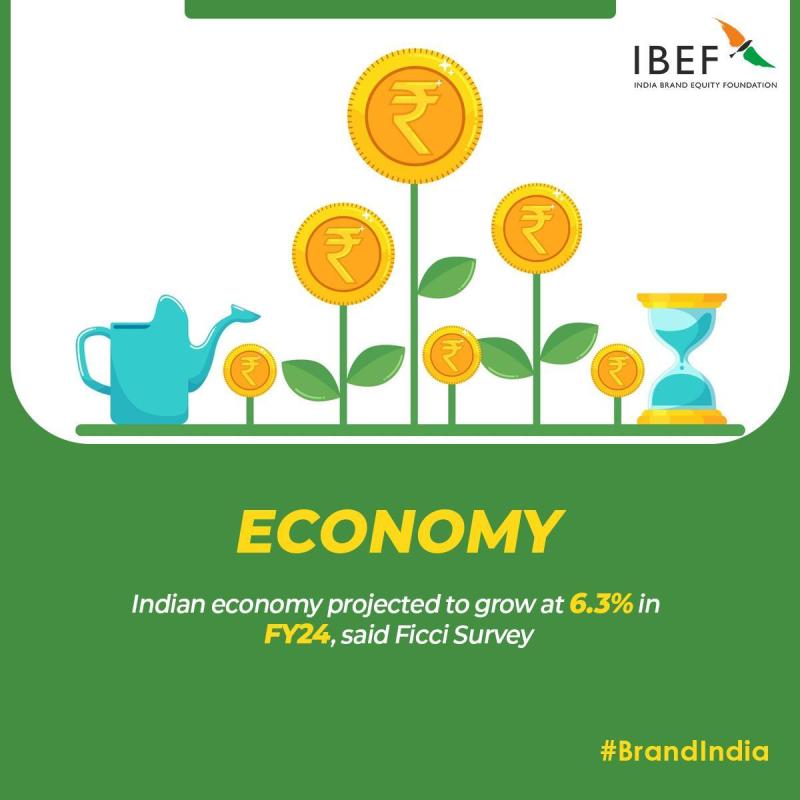
India, as one of the fastest-growing economies, is emerging as a key player in both local and global markets. With the Indian GDP witnessing steady growth, it has sparked new opportunities for industries, investors, and consumers worldwide. The economy of India offers a strong foundation for growth, driven by strategic reforms, technological advancements, and a thriving workforce.
India’s Economic Growth: A Global Game-Changer
Indian economic growth rate has consistently outpaced many global economies. With a GDP growth rate of 7.2% in FY 2022-23, the country has shown remarkable resilience in the face of global challenges. This upward trajectory reflects the strength of the Indian economy and its ability to drive local and international markets forward.
Investors and businesses worldwide are now looking to India for growth and profitability. The robust expansion across sectors like manufacturing, technology, and services underscores India’s economic growth in shaping the global economy.
How Does the Indian GDP Drive Local Markets?
The GDP of India has a direct and positive impact on local markets. Increased domestic demand, fueled by rising incomes and improved living standards, has boosted economic activity across the country. Key industries such as real estate, retail, and agriculture are thriving due to growing consumer spending.
- Job Creation: Economic growth in India generates employment opportunities, especially in rural and urban regions.
- Infrastructure Development: Investments in roads, ports, and smart cities strengthen local supply chains and improve connectivity.
- Innovation and Startups: A booming entrepreneurial ecosystem contributes to India’s economic development.
Why India’s GDP Matters for Global Markets
India’s economic progress has significant implications for global markets. With its vast consumer base and growing purchasing power, India has become a major market for international products and services.
Countries exporting goods to India benefit from increasing demand across sectors like electronics, healthcare, and automobiles. Additionally, India’s position as a global manufacturing hub has enabled multinational corporations to establish operations, boosting trade relations.
India’s Economic Development: Key Growth Drivers
The economy of India is driven by multiple factors that contribute to its global significance.
- Reforms and Policies: Initiatives like Make in India and Digital India have encouraged foreign investments and strengthened domestic production.
- Technological Advancements: Digital transformation in banking, e-commerce, and governance has improved efficiency and transparency.
- Demographic Advantage: With a young and skilled workforce, India has positioned itself as a leader in innovation and manufacturing.
The current economic situation in India reflects an optimistic outlook. Pro-business policies and a supportive ecosystem have made it an attractive destination for global companies.
How Global Investors Benefit from India’s Economic Growth
The Indian economy has strong fundamentals and growth potential offers ample opportunities for global investors.
- High Returns on Investment: Sectors like technology, energy, and manufacturing promise attractive returns.
- Expanding Market Size: India’s middle class continues to grow, leading to higher demand for international goods.
- Strategic Trade Partner: India’s trade relations with the US, Europe, and ASEAN countries have boosted exports and imports.
Foreign Direct Investment (FDI) inflows into India have surged, indicating confidence in its growth prospects. According to the India Brand Equity Foundation, India recorded FDI inflows of $70 billion in FY 2022-23.
India’s Role in Strengthening the Global Supply Chain
India has emerged as a key player in the global supply chain, reducing dependence on single markets. The government's focus on Production Linked Incentive (PLI) schemes has incentivized manufacturing, particularly in electronics, pharmaceuticals, and automobiles.
- Diversified Export Markets: Indian exports have grown across regions, strengthening ties with Europe, Asia, and the Americas.
- Resilient Infrastructure: Improved logistics and infrastructure have enhanced India’s economic development to meet global demand efficiently.
How India’s Economic Development Supports Sustainable Growth
India’s economic development prioritizes sustainability and inclusive growth. The country is investing in renewable energy, aiming to meet 50% of its power needs through clean energy by 2030. This shift benefits both local communities and global initiatives to combat climate change.
Furthermore, programs like Startup India and Skill India empower entrepreneurs and workers, contributing to economic growth. These initiatives make India an ideal market for long-term growth.
Impact of the Indian Economy on Global Trade
India’s position as a growing economic powerhouse directly impacts global trade. With an open and dynamic market, India imports essential products while also exporting high-value goods like software, machinery, and textiles.
- Technology and IT: Indian IT services contribute significantly to global businesses, providing cost-effective and innovative solutions.
- Pharmaceutical Exports: India is one of the world’s largest suppliers of generic medicines, benefitting healthcare systems globally.
According to the India Brand Equity Foundation, India’s total exports reached $450 billion in 2022-23, highlighting its growing influence in international markets.
Opportunities for Local Businesses in India
The growth of the Indian GDP creates new opportunities for local businesses to expand and thrive. With rising demand for goods and services, small and medium-sized enterprises (SMEs) play a crucial role in India’s economic development.
- Increased Consumption: A growing population with higher disposable income drives domestic markets.
- Technology Adoption: Digital platforms enable local businesses to reach both urban and rural markets.
- Export Potential: Indian businesses are exploring global markets, boosting trade volumes.
Challenges and Future Outlook for India’s Economic Growth
While India’s economic growth remains strong, it is not without challenges. Issues like inflation, geopolitical tensions, and resource constraints require strategic solutions. However, the Indian economy’s resilience and adaptability position it to overcome these hurdles.
India’s focus on infrastructure, technology, and sustainability ensures long-term growth. The government’s proactive measures and investor-friendly policies continue to attract global partnerships.
Why India’s Economic Growth Benefits the World
India’s growth is not just a local success story—it benefits the entire global economy. By creating jobs, boosting trade, and fostering innovation, India strengthens economic ties with its global partners.
- Driving Global Demand: India’s large consumer base contributes to international sales and economic growth.
- Technology Exports: Indian innovations in IT and healthcare solve global challenges.
- Collaborative Partnerships: Trade agreements and foreign investments enhance economic cooperation.
GDP of india is a catalyst for both local and global markets. It fuels domestic demand, creates jobs, and strengthens trade relationships worldwide. With strategic policies, technological advancements, and sustainable initiatives, India is poised to lead the global economy in the coming decades.
The current economic situation in India highlights its potential as a growth engine for the world. By leveraging its strengths and addressing challenges, India’s economic growth promises a bright future for local businesses and international markets alike.
Read more:
How Can Indian Banking Systems Enhance Customer Experiences?
What Makes the Banking System in India Globally Resilient?
Post Your Ad Here
Comments