How Does the Ayushman Bharat Scheme Benefit Millions in India?
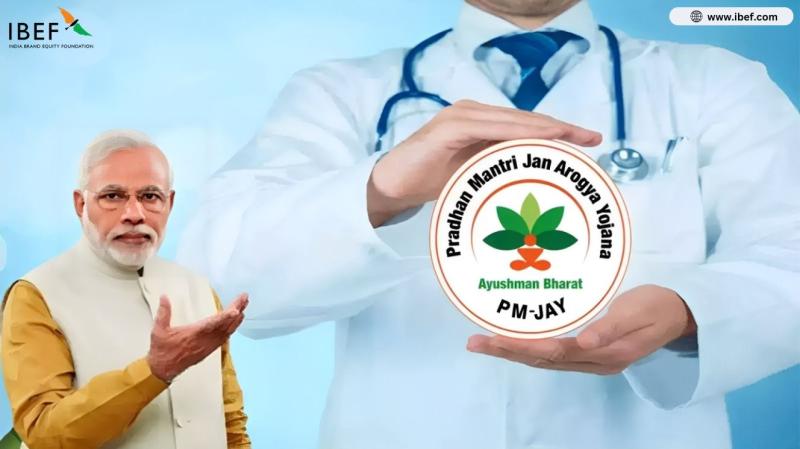
India’s journey toward universal healthcare reached a defining moment with the launch of the Ayushman Bharat scheme in 2018. As part of the National Health Policy 2017, this groundbreaking initiative aims to make healthcare services more accessible, affordable, and inclusive. Designed to serve the country’s most vulnerable sections, Ayushman Bharat is now one of the world’s largest publicly funded healthcare programs, delivering crucial support to millions of families.
Through two key components—Health and Wellness Centres (HWCs) and the Pradhan Mantri Jan Arogya Yojana (PM-JAY)—the scheme provides comprehensive healthcare coverage while strengthening the overall infrastructure of India’s health system.
Understanding the Ayushman Bharat Scheme
The Ayushman Bharat scheme is structured to provide a two-tiered approach to healthcare:- Health and Wellness Centres (HWCs): These aim to deliver comprehensive primary care services, including free medications, diagnostics, maternal and child healthcare, and chronic disease management. The government set an ambitious target to establish 1,50,000 HWCs across India to bring healthcare closer to people's homes.
- Pradhan Mantri Jan Arogya Yojana (PM-JAY): Launched in September 2018, the PM-JAY Scheme provides secondary and tertiary care hospitalization coverage of ₹5 lakh per family per year, targeting over 10.74 crore poor and vulnerable families, or roughly 50 crore individuals, making up the bottom 40% of India’s population.
This unique combination allows for early detection, timely treatment, and effective management of health conditions—significantly reducing the burden on hospitals and improving overall health outcomes.
The Need for Ayushman Bharat
India’s healthcare sector has historically suffered from high out-of-pocket expenditure (OOPE). According to the World Health Organization’s 2017 Health Financing Profile, India’s OOPE was approximately 67.78% of the total health expenditure—much higher than the global average of 18.2%. This disproportionate spending often leads to financial hardship and limits healthcare access for low-income households.The PM Jan Arogya Yojana was introduced to tackle this issue by:
- Reducing financial strain on poor families
- Improving access to quality healthcare
- Expanding coverage to remote and underserved areas
- Addressing health inequalities
In short, the scheme aims to bring equity to the Indian healthcare system.
Progress and Achievements So Far
Since its launch, the Ayushman Bharat-PM Jan Arogya Yojana has achieved impressive milestones:- As of April 14, 2024, over 1.72 lakh Health and Wellness Centres (HWCs) have been operationalized.
- As of January 2024, 6.5 crore hospital admissions have been recorded under the PM-JAY Scheme.
- An estimated 17 crore families have been covered under PM-JAY and other health insurance schemes, including RSBY and state-specific initiatives.
These figures showcase the scale and effectiveness of the initiative in providing vital health services across the country.
Special Focus on Senior Citizens
In a significant policy update in September 2024, the Union Cabinet approved health coverage for all individuals aged 70 and above, regardless of their income. This historic move will support:- 4.5 crore families
- Covering over 6 crore senior citizens
- Offering ₹5 lakh health insurance per family per year
This development ensures that elderly citizens, who often face multiple health challenges, can now access essential treatments without financial worry.
Budget Allocation and Health Spending
The Indian government has significantly increased its healthcare spending to support programs like Ayushman Bharat:- In FY 2024-25, the Ministry of Health and Family Welfare was allotted ₹90,659 crore (US$ 10.9 billion)—a 13% increase over the previous year.
- Healthcare spending now stands at 2.1% of India’s GDP in 2023, a substantial rise from 1.4% in 2020.
- India’s healthcare sector reached US$ 180 billion in 2023 and is projected to reach US$ 320 billion by 2028.
This budgetary commitment reflects the government’s long-term vision of creating a resilient and inclusive healthcare system.
Simplified Access and Paperless Processes
The PM-JAY Scheme has been designed for maximum ease of use. The process for availing benefits is completely cashless and paperless, and beneficiaries do not have to pay any money at the time of hospitalization.- E-cards are issued to eligible families for identification
- Services are available at over 25,000 empaneled hospitals nationwide
- Beneficiaries can access services across any state under the portability feature
Additionally, digital tools and IT systems ensure quick claim settlement and minimize fraud.
PM-JAY and the Role of Private Healthcare
The inclusion of private hospitals in Ayushman Bharat-PM Jan Arogya Yojana has significantly improved access to specialized medical services. It encourages public-private partnerships and eases the burden on public hospitals.- Private sector participation ensures quicker access to secondary and tertiary care
- Patients have more choices and can seek treatment from reputed hospitals
- Reimbursement to hospitals is based on predefined package rates, ensuring transparency
This model has helped create a balanced ecosystem between public and private healthcare providers.
Ayushman Bharat’s Role in Rural Healthcare
The Health and Wellness Centres (HWCs) are the frontline force in rural healthcare under the Ayushman Bharat scheme. These centers:- Provide free basic medicines and diagnostics
- Offer preventive and promotive care
- Conduct health awareness and screening camps
By bringing healthcare services to the doorstep of rural India, the HWCs are bridging the rural-urban divide in health access and improving early disease detection.
Expansion of Services and Future Vision
Looking ahead, the government aims to further strengthen the scheme through:- Digital Health Records: Integrating personal health records for continuity of care
- Expansion of Coverage: Including outpatient consultations and diagnostics
- Enhanced Portability: Enabling seamless access to services across India
- Increased Hospital Participation: Encouraging more private hospitals to join the network
These upgrades will make the PM Jan Arogya Yojana even more robust and comprehensive.
Key Benefits of Ayushman Bharat-PM Jan Arogya Yojana
-
₹5 lakh annual coverage per family for secondary and tertiary hospitalization
- No cap on family size or age
- Pre- and post-hospitalization expenses covered
- Nationwide portability of benefits
- Cashless and paperless access to health services
- Increased trust in government healthcare schemes
Impact on India’s Healthcare Sector
By drastically reducing financial barriers and expanding access to care, Ayushman Bharat is positively impacting the overall healthcare sector in India:- Enhances early disease detection and treatment outcomes
- Reduces mortality rates for preventable diseases
- Encourages innovation and digitization in healthcare delivery
- Strengthens India’s position as a global healthcare hub
According to the India Brand Equity Foundation, the scheme has become a critical pillar in India’s mission to achieve universal health coverage by 2030.
Conclusion: A Healthier India Through Ayushman Bharat
The Pradhan Mantri Jan Arogya Yojana has changed the face of healthcare in India. By offering financial protection, improved access, and stronger infrastructure, it is creating a more equitable health system. With continuous upgrades and broader inclusion under the PM-JAY Scheme, the initiative is setting new benchmarks in public health.As India works toward becoming a global leader in healthcare delivery, Ayushman Bharat will remain a cornerstone of its healthcare transformation. For more insights into its progress and impact, visit the India Brand Equity Foundation—your trusted source on India’s developmental journey.
Also read:
- Which Electric Vehicle Manufacturers Are Leading in India?
- How Is the Indian Banking Industry Adapting to FinTech Disruptions?
- How Does the Future of EV Market Growth Look in India?
Post Your Ad Here
Comments