How Are Indian Spices Manufacturers Setting Quality Standards?
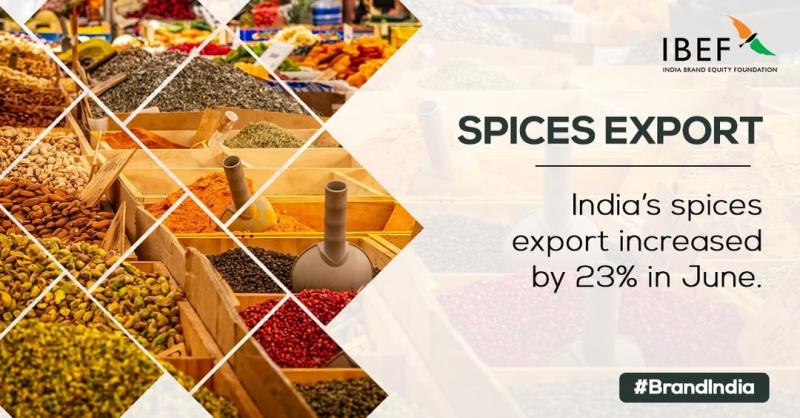
India’s spices have captivated global taste buds for centuries. But what sets them apart in today’s competitive global market isn’t just the rich aroma or authentic flavor — it’s the rising commitment to quality. With demand surging worldwide, spices manufacturers in India are taking futuristic steps to meet the world’s evolving expectations.
India: The Largest Producer of Spices in the World
India is the world’s largest producer of spices. It is also the largest consumer and exporter. The country produced 11.14 million tonnes of spices in 2022-23, up from 11.12 million tonnes the year before. India accounts for around 75 of the 109 spice varieties listed by the International Organization for Standardization (ISO).
From chilli and turmeric to cardamom and coriander, India’s spice basket feeds both domestic and global markets. In 2023-24, spice exports touched US$ 4.46 billion, making India a clear leader in the spice economy.
How Indian Spices Manufacturers Prioritize Quality
Modern spices manufacturers in India have shifted from traditional methods to technology-driven operations. They focus on traceability, hygiene, and sustainability at every step — from procurement to packaging.
Each spice undergoes testing for purity, pesticide residue, and microbial safety. This ensures that every batch meets international standards and satisfies consumer trust.
Role of Technology in Enhancing Quality Standards
Technology plays a major role in maintaining consistency. Manufacturers use cryogenic grinding to retain aroma, color, and essential oils. Optical sorters and metal detectors further eliminate impurities from Indian spices.
Steam sterilization is another crucial step, widely used to remove harmful bacteria while preserving flavor. These advanced methods reduce human error and improve export readiness.
Quality Begins at the Farm Level
To ensure quality, manufacturers invest in training farmers. They guide cultivators on sustainable farming, proper drying techniques, and storage practices.
States like Madhya Pradesh, Rajasthan, Andhra Pradesh, and Kerala are among the largest producers of spices in India. Manufacturers build close relationships with farmers from these regions to maintain a steady supply of premium-quality raw materials.
Testing and Compliance for Export-Ready Spices
Every batch of spices is subjected to stringent testing before export. Parameters such as moisture level, volatile oil content, and microbiological presence are checked in state-of-the-art labs.
These checks are vital for spices exporters in India, especially when targeting countries with strict food safety laws like the US, UK, and EU nations.
Packaging That Preserves Quality and Extends Shelf Life
Innovative packaging techniques have helped maintain spice quality through long transit periods. Most top spices brands in India use vacuum-sealed, moisture-proof, and tamper-evident packaging materials.
This protects the product’s integrity, prevents oxidation, and ensures long-lasting freshness — even in global retail chains.
Certifications That Build Global Trust
To compete in international markets, Indian manufacturers obtain certifications like ISO 22000, HACCP, and FSSC. These validate their manufacturing processes and build trust with global buyers.
Several spices exporters in India also comply with organic certifications to cater to niche markets across Europe and North America.
Item-Wise Contribution to Spice Exports
In 2022–23, chilli was the single largest spice exported from India. Other top exports included spice oils, cumin, turmeric, mint products, and ginger. These five contributed to nearly 76% of the country’s total spice production.
Total exports for that period stood at US$ 3.73 billion, up from US$ 3.46 billion in 2021–22. Clearly, Indian manufacturers are aligning quality with scale.
Value Addition by Spices Brands in India
Beyond raw spices, many manufacturers now offer value-added products. These include curry powders, blended seasonings, and ready-to-use mixes.
These innovations by leading spices brands in India are tailored for diverse palates and global cuisines. By combining tradition with modernity, they create versatile offerings while retaining authentic Indian flavors.
Global Export Footprint of Indian Spices
India exported spices to over 200 destinations worldwide in 2024 (until June). Top countries included China, the USA, Bangladesh, UAE, Malaysia, the UK, Thailand, and Germany. These eight accounted for over 60% of total spice export earnings.
China led the import list, buying US$ 192.40 million worth of Indian spices. The USA followed with US$ 156.32 million, while Bangladesh imported spices valued at US$ 90.75 million.
Key Products Shaping India’s Export Growth
Each country imports specific products. For example, the USA prefers celery, garlic, cumin, fennel, and mint products. China is a massive importer of chilli, having bought US$ 409.44 million worth in 2022-23 alone.
By understanding these preferences, spices exporters in India fine-tune their offerings and maintain strong global partnerships.
Clean Labels and Organic Demand on the Rise
Health-conscious consumers now demand clean-label products — free from additives and preservatives. Manufacturers are responding by offering pesticide-free, residue-free, and non-GMO options.
Organic farming is gaining ground. Many spices manufacturers in India are partnering with certified farms to cater to this growing market segment.
India Brand Equity Foundation’s Role in Global Awareness
The India Brand Equity Foundation has actively promoted Indian spices at international trade fairs. It highlights India's capabilities in quality production, value-added processing, and sustainable practices.
Their efforts have positioned Indian spices as a premium product in the global market.
How Exports Continue to Grow Year-on-Year
India’s spice exports have shown consistent growth. From FY16–17 to FY22–23, the export volume grew at a CAGR of 5.85%. In FY23, India exported 0.51 million tonnes of chilli, 0.18 million tonnes of cumin, and 0.17 million tonnes of turmeric.
This growth reflects the success of spices manufacturers in India who are scaling operations while ensuring compliance with global quality benchmarks.
Challenges in Maintaining Quality and How They’re Solved
Weather patterns, storage issues, and market fluctuations pose challenges. Yet, cold chain logistics, farmer education, and tech-driven quality checks are addressing these concerns effectively.
India’s major producers and exporters work together to keep quality issues at bay and ensure uninterrupted global supply.
The Future of Indian Spices in a Global Context
India’s spice journey is far from over. With blockchain integration, traceability tools, and sustainable farming, the future looks promising.
By continuing to raise quality standards, Indian spices are set to remain a preferred choice for households and professional kitchens around the world.
Final Takeaway
India’s spices have always held cultural and culinary significance. But what’s propelling them onto global shelves today is a strong foundation of quality control and innovation.
With technology, transparency, and rigorous testing, spices manufacturers in India are building trust across borders. As global preferences evolve, Indian spices are poised to retain their rightful place at the heart of flavor and quality.
The India Brand Equity Foundation continues to support this growth by spotlighting the evolving strength of India’s spice industry on the global stage.
Also read:
Post Your Ad Here
Comments