Screens & Sanity: Teaching Healthy Tech Habits in Private Education
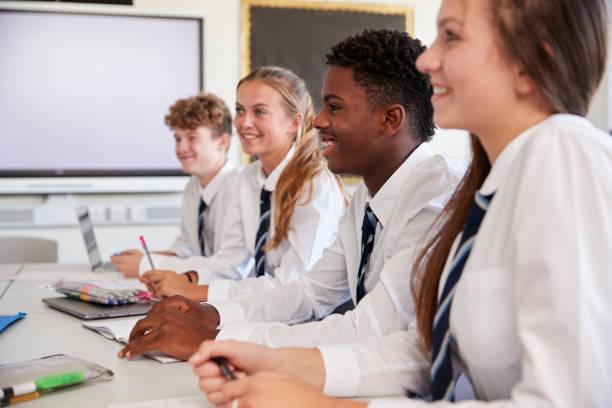
In today’s world, technology plays a pivotal role in education, offering endless opportunities for learning and growth. However, with the increasing reliance on screens, it’s crucial to establish healthy tech habits for students, particularly in private schools, where personalized attention and holistic development are prioritized.
The key to balancing technology use with well-being lies in creating boundaries and teaching students the skills to manage their digital lives effectively.
The Growing Role of Technology in Education
Technology in education has revolutionized the way students learn, from interactive lessons to virtual classrooms, and beyond. As digital tools become integral to the learning process, students are using them for everything from conducting research to participating in online discussions. The access to such powerful resources presents an incredible opportunity for knowledge and creativity. However, it also comes with challenges, including screen time overload, digital distractions, and social media pressures, all of which can affect students’ mental and physical well-being.
At private schools Suffolk, educators are taking proactive steps to ensure that students benefit from technology without falling prey to its negative side effects. By integrating healthy tech habits into their curriculum, these schools aim to foster a balanced relationship between students and their digital tools.
Encouraging Healthy Tech Habits at Home and in School
One of the core strategies for teaching healthy tech habits is to incorporate them into the daily lives of students, both at school and at home. In Saint Felix School, for example, there is a clear emphasis on teaching students how to use technology as a tool for learning rather than a source of distraction. This approach encourages mindful screen time usage, helping students recognize when it is time to engage in technology and when it’s time to disconnect.
At school, tech usage is monitored, ensuring that digital devices are used for educational purposes during class time. Outside of lessons, students are encouraged to take breaks from screens, engage in physical activities, or enjoy creative hobbies that do not involve technology. Schools also promote face-to-face interaction, encouraging students to build strong communication and social skills, essential for their personal development.
Digital Detox: Taking a Break from Screens
One of the most effective ways private schools are addressing screen time concerns is by implementing "digital detox" periods. These breaks allow students to disconnect from screens and recharge, both mentally and physically. Whether it’s a walk in the fresh air, a game of sports, or an arts and crafts session, these detox moments help students regain focus and creativity, which might otherwise be stifled by prolonged screen exposure.
For example, at Saint Felix School, the daily schedule includes time for outdoor activities and face-to-face collaboration with peers, ensuring that students’ social and emotional skills remain just as sharp as their digital skills. These breaks also teach students the importance of balance—an essential skill for navigating the challenges of the digital age.
Modeling Responsible Tech Use: The Role of Educators and Parents
The responsibility of teaching healthy tech habits doesn’t solely lie with students—it also falls to the educators and parents who influence their daily routines. Teachers at private schools like Saint Felix School serve as role models, demonstrating healthy ways to engage with technology. They emphasize digital etiquette, encouraging students to communicate respectfully and responsibly online.
Parents also play a crucial role in shaping tech habits. By setting consistent limits on screen time at home, encouraging outdoor activities, and fostering family interactions away from screens, parents can reinforce what students learn at school. This joint effort between home and school ensures that children develop the skills they need to navigate the digital world in a balanced way.
Integrating Digital Literacy into the Curriculum
A well-rounded approach to tech education goes beyond teaching how to use devices—it includes instilling a sense of digital literacy. Digital literacy teaches students to think critically about the content they consume and create, understand the ethical implications of their digital actions, and stay safe in the online world. In private schools, digital literacy is often integrated into the broader curriculum, ensuring that students not only become proficient in technology but also develop the critical thinking skills needed to navigate the complexities of the online world.
In Saint Felix School, for example, students participate in digital citizenship programs where they learn about online privacy, security, and the importance of maintaining a positive digital footprint. These lessons give students the tools they need to use technology responsibly and with integrity, fostering good habits that extend far beyond the classroom.
Mental Health and Well-being: Addressing the Impact of Technology
The rise of social media and constant connectivity has brought about concerns regarding mental health, especially for younger students who are still developing emotionally and socially. Private schools, including private schools in Suffolk, are taking mental health seriously by integrating well-being programs into their daily routines. These programs help students manage stress, stay resilient in the face of challenges, and maintain a positive outlook, all while navigating the pressures of social media and online engagement.
Teachers are also trained to recognize signs of digital fatigue, and students are encouraged to speak up when they feel overwhelmed by technology. By providing a supportive environment, these schools help students understand that their mental health is just as important as their academic success.
Conclusion: Empowering Students for a Balanced Future
As technology continues to shape our world, it’s essential for schools to equip students with the tools they need to use it responsibly and effectively. By teaching healthy tech habits, encouraging breaks from screens, promoting digital literacy, and supporting mental well-being, private schools like Saint Felix School are preparing students not only for academic success but also for balanced and fulfilling lives in an increasingly digital world.
Ultimately, the goal is not to eliminate technology but to empower students to use it wisely. With the right guidance, students can enjoy the benefits of the digital world while maintaining their health, relationships, and mental well-being, ensuring they thrive both inside and outside the classroom.
Post Your Ad Here
Comments