Essential Guide to Test Plugs for Pressure Gauge Safety
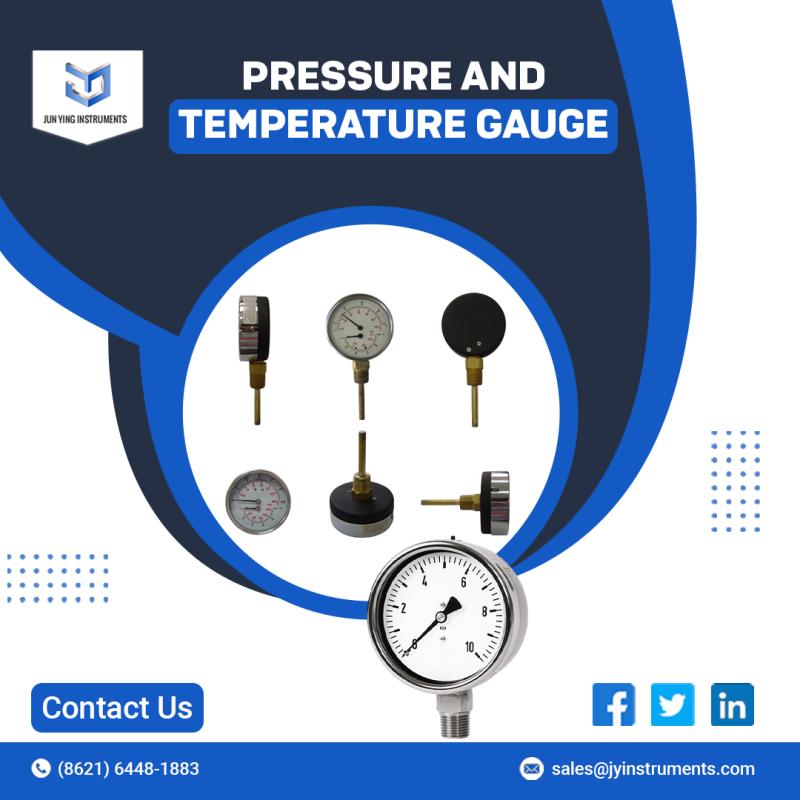
Pressure gauges are crucial
tools in many industrial, commercial, and residential systems, especially those
involving fluids or gases under pressure. These gauges help monitor system
performance, prevent over-pressurization, and ensure safety. However, to maintain
their accuracy and function, pressure gauges must be regularly tested and
calibrated. This is where test plugs come into play.
A test plug & Sanitary pressure
gauge is a small but essential component that allows for quick, safe,
and efficient pressure readings or system bleeding without disrupting the
process flow. Whether used in HVAC systems, hydraulic equipment, or plumbing
applications, understanding how test plugs work and why they matter can make a
significant difference in system performance and safety.
What is a
Test Plug?
A test plug is a fitting
installed into a pressure line or vessel, designed to provide access for
pressure readings or testing. It typically consists of a body, a self-sealing
valve (often with a rubber or elastomer insert), and a removable cap.
Technicians can insert a probe or needle through the self-sealing portion to
take a reading without shutting down the system or releasing pressure.
Some test plugs are designed
for temporary testing, while others are meant for permanent installation. They
come in various sizes and materials to accommodate different pressure ranges
and system requirements.
Why Test
Plugs are Important
1. Safety
One of the main reasons to use
test plugs is to enhance safety. Without a test plug, Bimetal thermowell taking
a pressure reading could involve loosening fittings or disrupting pressurized
lines—actions that carry the risk of fluid leaks, bursts, or injury. A properly
installed test plug minimizes this risk by allowing access to the system in a
controlled, contained manner.
2. Efficiency
Test plugs save time during
maintenance and troubleshooting. Instead of disassembling parts of the system,
technicians can insert a test probe directly into the plug and obtain immediate
readings. This significantly reduces downtime and labor costs.
3. Accuracy
Over time, pressure gauges can
drift from their calibrated settings due to constant use, environmental
conditions, or mechanical wear. Test plugs provide a reliable access point for
calibration checks, ensuring that pressure gauges remain accurate and
trustworthy.
Common Applications
of Test Plugs
Test plugs are used across a
range of industries and systems, including:
- HVAC systems: To check differential
pressure across filters, pumps, and coils.
- Hydraulic systems: For monitoring operating
pressure and diagnosing issues.
- Plumbing systems: To ensure correct water
pressure and identify leaks.
- Industrial machinery: For
routine maintenance and performance checks.
- Pneumatic systems: Where consistent
pressure control is critical.
These plugs can be found in
systems dealing with water, air, oil, refrigerant, and various industrial
fluids.
Types of
Test Plugs
While the general function
remains the same, test plugs come in different designs to suit specific needs:
- Push-through plugs: Allow
insertion of a probe without the need for tools. Ideal for fast pressure
readings.
- Threaded plugs: Require screwing in a
probe or adapter, offering a more secure fit for permanent installations.
- High-pressure plugs:
Designed to handle elevated pressure ratings safely.
- Dual-port plugs: Provide access for two
simultaneous readings or for venting and testing at once.
Selecting the right type
depends on the application, pressure range, and required frequency of testing.
Installation
and Use Tips
- Correct Placement: Install test plugs at
points where pressure readings are most representative of system
performance—usually upstream and downstream of pumps or valves.
- Sealing: Ensure a tight seal to
prevent leaks. Most plugs come with a built-in self-sealing mechanism, but
checking for wear or damage is important.
- Protect the Cap: Always replace the
protective cap after use to keep the valve clean and avoid debris entry.
- Regular Inspection:
Include test plugs in your routine maintenance checks to ensure their
functionality and integrity.
Best
Practices for Safety
- Always depressurize the system if the test plug is
not rated for live insertion.
- Use compatible materials for the media and
temperature involved.
- Train personnel in proper use to avoid incorrect
readings or accidents.
- Keep spare plugs or inserts handy in case of wear or
emergency replacement.
Conclusion
Test plug for pressure gauge may be
small components, but their role in pressure gauge safety is vital. They
provide a safe, efficient, and reliable means to monitor and maintain
pressurized systems. By allowing for quick diagnostics and calibration, they
help prevent costly downtime and ensure system safety.
Whether you're a facility
manager, technician, or engineer, incorporating test plugs into your regular
maintenance routine can go a long way in preserving equipment performance and
protecting personnel. Make them a standard part of your safety and efficiency
toolkit.
Post Your Ad Here
Comments