Waste heat recovery technology is becoming increasingly vital in drum mix asphalt plants, offering significant benefits in terms of energy efficiency and sustainability. As the asphalt industry faces rising energy costs and environmental regulations, adopting innovative technologies to capture and utilize waste heat can lead to substantial operational improvements. This article explores the advantages of waste heat recovery systems, focusing on how they enhance productivity and reduce energy consumption from a user-centric perspective.
Understanding Waste Heat Recovery
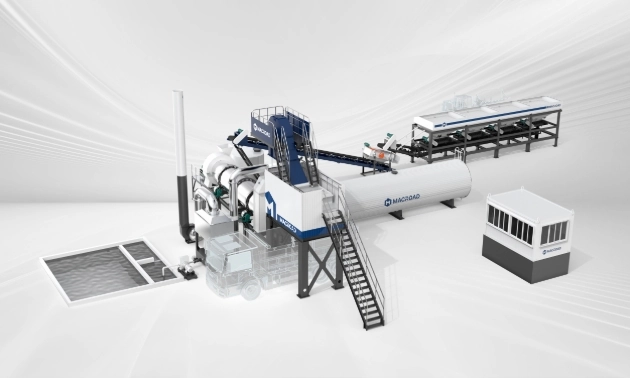
Waste heat recovery involves capturing excess heat generated during the asphalt production process and repurposing it for useful applications. In drum mix asphalt plants, a considerable amount of energy is lost as heat during the drying and mixing processes. By implementing waste heat recovery systems, operators can harness this energy to preheat aggregates or even generate electricity.
For instance, a typical drum mix plant operates at high temperatures to ensure proper mixing of asphalt. The heat generated during this process can be redirected to preheat incoming aggregates, reducing the energy required to bring them to the necessary temperature. This not only improves the efficiency of the heating process but also leads to lower fuel consumption, translating into significant cost savings over time.
Moreover, using recovered heat can enhance the overall quality of the asphalt mix. Preheated aggregates can lead to better adhesion and improved performance characteristics, ultimately resulting in a more durable product. This is particularly beneficial in applications where asphalt is subjected to heavy traffic loads and harsh environmental conditions.
Economic and Environmental Benefits
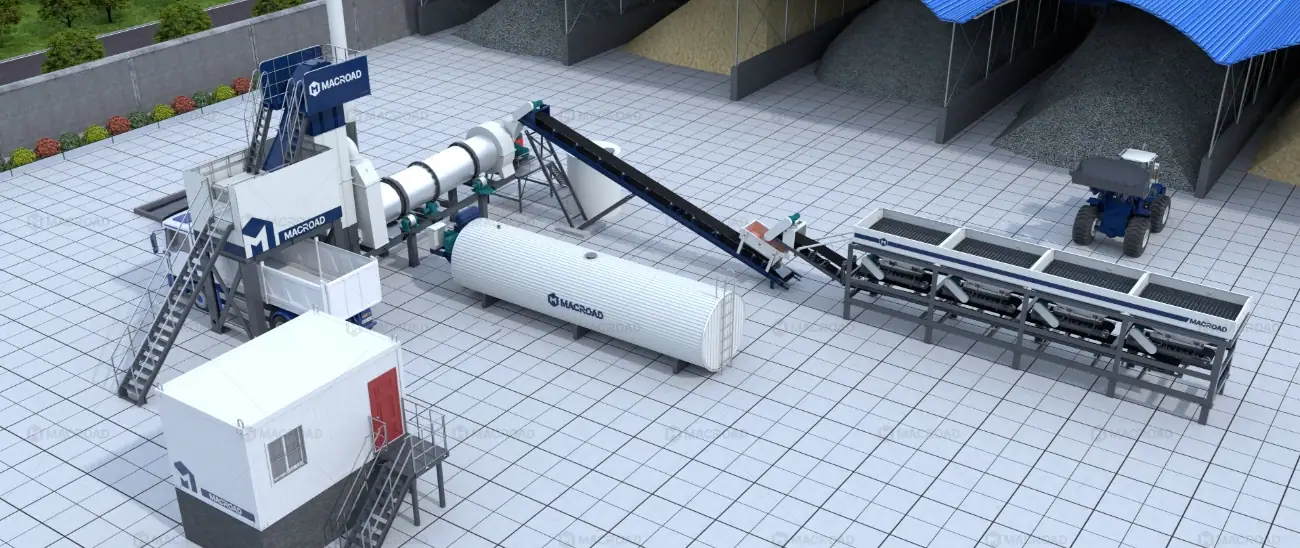
The economic benefits of waste heat recovery extend beyond immediate cost savings on fuel. By improving energy efficiency, asphalt plants can reduce their overall carbon footprint, aligning with increasingly stringent environmental regulations. This sustainability aspect is crucial for companies looking to enhance their market reputation and meet the demands of environmentally conscious clients.
Investing in waste heat recovery technology can also lead to long-term financial gains. While the initial setup costs may be significant, the return on investment can be substantial due to reduced energy bills and potential tax incentives for implementing green technologies. Additionally, companies that adopt waste heat recovery systems often find they can operate more competitively, as lower operating costs allow for more flexible pricing strategies.
In mobile drum mix plant, where operational flexibility is key, waste heat recovery can be particularly advantageous. By maximizing energy efficiency, these plants can maintain high production rates while minimizing fuel consumption, making them more adaptable to varying project requirements.
Implementation Challenges and Solutions
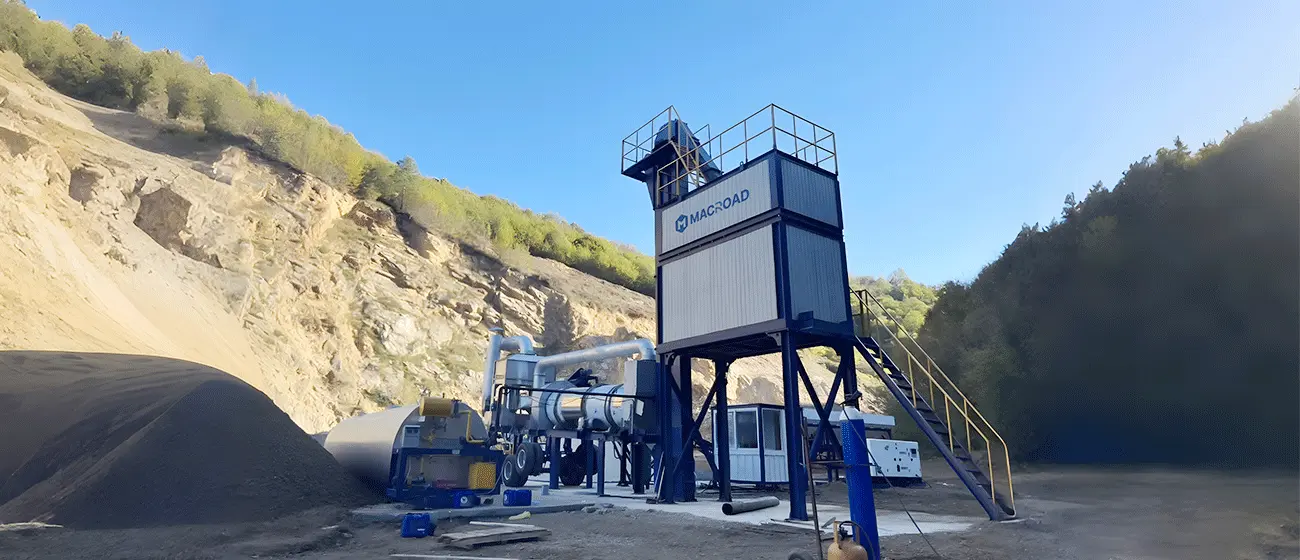
Despite the clear advantages, implementing waste heat recovery technology in drum mix asphalt plants does come with challenges. One primary concern is the initial capital investment required for retrofitting existing plants or installing new systems. However, many manufacturers offer modular solutions that can be integrated without extensive modifications to existing infrastructure, making it more accessible for operators.
Another challenge is ensuring that the recovered heat is effectively utilized. Operators must carefully design their systems to maximize efficiency and prevent heat loss. This might involve using thermal storage solutions to store excess heat for later use or optimizing the layout of the plant to minimize energy losses during transfer.
Training personnel on the operation and maintenance of waste heat recovery systems is also crucial. Ensuring that staff are knowledgeable about the technology can lead to better performance and longevity of the systems. Regular maintenance checks and monitoring can help identify issues early, ensuring that the systems operate at peak efficiency.
Conclusion
In conclusion, waste heat recovery technology offers significant benefits for drum mix asphalt plants, enhancing energy efficiency, reducing operational costs, and promoting sustainability. By capturing and repurposing excess heat, operators can improve the quality of their asphalt mixes while minimizing their environmental impact. As the industry continues to evolve, embracing waste heat recovery will not only help companies remain competitive but also contribute to a more sustainable future in asphalt production. Investing in this technology is a strategic move that aligns with both economic goals and environmental responsibilities, paving the way for a more efficient and eco-friendly asphalt industry.

Comments