Costumes, Characters & Confidence: Why Pretend Play is Serious Business in Nursery
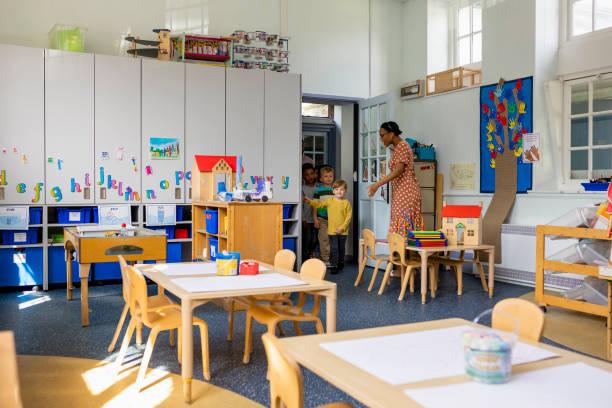
In the vibrant world of early childhood education, few activities bring more joy—or offer more profound developmental benefits—than pretend play. From pirates and princesses to astronauts and shopkeepers, nursery-aged children instinctively gravitate toward imaginative scenarios where they can take on new roles and explore limitless worlds.
But beyond the giggles and glitter, pretend play is serious business. It’s a powerful tool that fosters cognitive development, emotional resilience, and social understanding—all essential foundations for lifelong learning.
In today’s best early years settings, like Orchard Day Nursery Wimbledon, pretend play isn’t just seen as a break between structured activities. It’s embedded into the curriculum, thoughtfully supported by trained educators who understand its value in promoting early childhood development. Whether it’s dressing up in costumes, role-playing daily routines, or creating imaginary scenarios, children learn through doing—and in pretend play, they’re doing a lot.
Building Brains Through Imagination
At first glance, a group of children pretending to run a bakery or save the world with magic wands may seem like simple fun. But underneath the surface, their brains are working hard. Pretend play stimulates key areas of cognitive development. It boosts language skills as children invent dialogue and negotiate roles. It enhances memory and sequencing through story-building. It even introduces early mathematical and problem-solving skills as children manage pretend money or construct fantasy worlds.
More importantly, it teaches children how to think symbolically—understanding that one thing (a stick) can represent another (a sword). This symbolic thinking is the foundation of literacy and numeracy, making pretend play a critical step toward academic readiness.
Emotional Expression and Regulation
Pretend play offers a safe space for children to explore and express emotions. Whether they’re pretending to care for a baby doll or act out a disagreement between superheroes, they’re learning how to navigate feelings like empathy, frustration, fear, and joy. These emotional experiments help children build resilience and develop strategies for real-world emotional regulation.
Nurseries like nursery wimbledon understand this deeply, often providing role-play corners filled with familiar settings like kitchens, clinics, and shops. These spaces allow children to re-enact everyday situations, processing emotions and experiences through creative storytelling.
Social Learning in Action
Role play is inherently social. It requires collaboration, negotiation, and understanding others’ perspectives. In every pretend tea party or superhero rescue mission, children are developing vital social skills. They’re learning to share, take turns, listen, compromise, and solve conflicts—all while immersed in imaginative fun.
In nursery settings, educators can scaffold this social learning by gently guiding interactions, helping children resolve disputes, and encouraging inclusive play. These early experiences lay the groundwork for strong interpersonal skills and respectful relationships in later life.
Confidence in Costume
One of the most visible and immediate benefits of pretend play is the confidence it builds. When a shy child dons a cape or a firefighter’s helmet, something magical happens—they step into a new identity, one where they feel powerful, capable, and seen. This newfound self-assurance often carries over into real-world situations, helping children find their voice in group activities, ask questions, and take on leadership roles.
Costumes are more than just fabric and fun—they're tools for self-expression. They give children the freedom to experiment with different personas, developing a stronger sense of identity and agency in the process.
Designing a Rich Pretend Play Environment
To maximize the benefits of pretend play, nursery environments should be thoughtfully designed. Open-ended resources like blocks, fabric, costumes, and puppets allow children to invent and re-invent stories each day. Familiar props from daily life—phones, kitchen utensils, clipboards—help bridge the gap between fantasy and reality.
Teachers play a key role as well. While child-led play is essential, guided support from adults helps extend narratives, introduce new vocabulary, and gently challenge thinking. By tuning into children’s interests, educators can spark deeper engagement and learning.
Conclusion
In the nursery years, the line between play and learning is blissfully blurred—and nowhere is this more evident than in pretend play. What may look like simple fun is, in reality, a complex and essential part of early development. Pretend play nurtures minds, emotions, and social skills in a way that few other activities can.
Nurseries like Orchard Day Nursery Wimbledon recognize that in every costume, every character, and every make-believe scenario lies the potential for remarkable growth. Pretend play builds confident communicators, empathetic friends, creative thinkers, and joyful learners. It is, quite simply, serious business for little minds with big futures.
Let me know if you'd like a version tailored to a specific audience like parents or educators!
Post Your Ad Here
Comments