Gut Microbiome Benefits: Clear Skin, Sharp Mind & Strong Liver Health
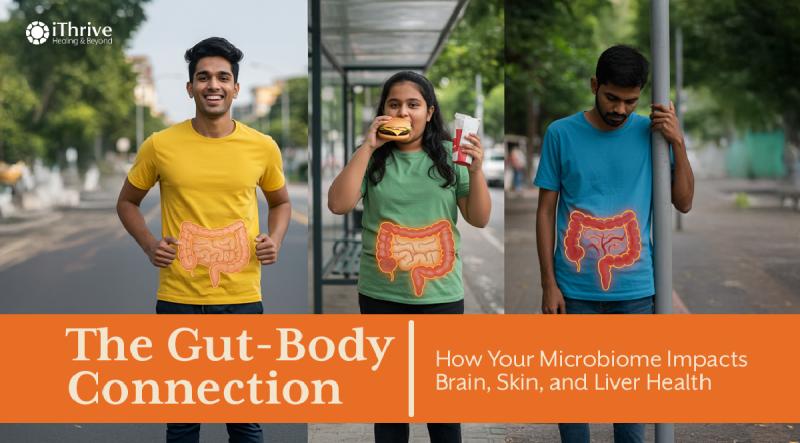
Your gut is not just a digestive organ but a central hub
influencing your entire well-being. The trillions of microorganisms residing in
your gastrointestinal tract, collectively known as the gut microbiome, maintain
digestive health. It impacts your brain, skin, and liver functions.
This intricate network, often referred to as the
gut-brain-skin-liver axis, underscores the profound interconnectedness of
these systems.
An imbalance in your gut flora can manifest in various
health issues, from mood disorders and cognitive impairments to skin
conditions and liver diseases. Understanding and nurturing this connection
is essential for achieving optimal health.
In this blog, we delve into how your gut microbiome
influences these critical organs and provide actionable strategies to enhance
your gut health, including the benefits of probiotics, dietary recommendations,
and lifestyle modifications. By the end, you'll have a comprehensive
understanding of the gut-body connection and practical steps to improve your
overall well-being.
The Gut-Brain Connection
Your gut and brain are more connected than you think! The gut-brain
axis is a two-way communication system that links your digestive system and
nervous system.
A healthy gut can boost your mood, sharpen your memory,
and even reduce stress, while an imbalanced gut can lead to anxiety,
depression, and neurodegenerative diseases.
How Does the Gut Communicate with the Brain?

The gut and brain are constantly sending signals through:
- The
Vagus Nerve- A direct connection that sends messages between the gut
and brain.
- Neurotransmitters-
The gut produces serotonin (the happiness hormone), dopamine, and
GABA, all of which affect mood and emotions.
- Short-Chain
Fatty Acids (SCFAs)- Beneficial gut bacteria produce SCFAs that reduce
brain inflammation and improve cognitive function.
- Immune
System- Around 70% of your immune system is in your gut. An
unhealthy gut can lead to chronic inflammation, which affects brain
function.
Gut Health & Mental Well-Being
A balanced gut microbiome lowers stress and anxiety
by regulating the production of cortisol (the stress hormone). When your
gut is inflamed or imbalanced, it can trigger mood disorders, brain fog and
even increase the risk of Alzheimer’s.
Brain Inflammation & The Gut Microbiome
What Causes Brain Inflammation?
Chronic gut inflammation triggers an immune response,
leading to excessive cytokine production, which can harm brain cells.
- Microglia
Overactivation- These immune cells in the brain stay “on” for too
long, leading to neurodegenerative diseases like Alzheimer’s.
- Leaky
Gut Syndrome- When your gut barrier weakens, harmful toxins enter the
bloodstream and reach the brain, causing inflammation.
The Role of Short-Chain Fatty Acids (SCFAs) in Brain
Health
SCFAs are powerful compounds produced by good gut
bacteria when they break down fiber. They help:
- Reduce
brain inflammation and protect neurons.
- Improve
memory and learning by supporting brain cell function.
- Regulate
mood by increasing serotonin and dopamine production.
Studies show that aging reduces SCFA levels, which
may contribute to neurodegenerative diseases. However, a high-fiber diet
restores SCFA production and improves brain health.1
Targeting Age-Related Gut Changes for Brain Health
As we age, our gut microbiome loses diversity, making
it more vulnerable to harmful bacteria. Researchers found that transplanting
a young gut microbiome into older mice improved their cognitive function
and stroke survival rates.1
Best Foods for Gut-Brain Health

Gut-Healing Superfoods
- Eat
more fiber-rich foods (fruits, vegetables, whole grains) to promote
healthy gut bacteria.
- Consume
fermented foods like kimchi, yogurt, and miso to increase probiotic
levels.
- Take prebiotics
(found in garlic, onions, and bananas) to feed good bacteria.
- Avoid
processed foods, sugar, and artificial additives that disrupt the
gut microbiome.
Foods That Harm Gut Health
- Processed
foods- High in preservatives that damage gut bacteria.
- Sugar
& artificial sweeteners- They promote bad bacteria overgrowth.
- Refined
carbs- White bread and pasta lead to gut imbalances.
The Gut-Skin Connection
When we think about skin health, we often focus on skincare
routines, expensive creams, and dermatology treatments. But what if the secret
to clear, glowing skin isn’t just about what you apply externally but rather
what’s happening inside your gut?
If you've been struggling with acne, eczema, psoriasis, or
dry, irritated skin, your gut health might be the missing piece of the puzzle.
Why Your Gut is Destroying Your Skin

The gut and skin are deeply connected through what is known
as the gut-skin axis. This means that an unhealthy gut can lead to
skin problems, and poor skin health can indicate underlying digestive
issues. When your gut microbiome falls out of balance, your skin is often
one of the first places you’ll notice the damage.
1. Gut Dysbiosis
A healthy gut contains good bacteria that support digestion,
nutrient absorption, and immune function. But due to poor diet, stress,
antibiotics, and toxins, this delicate balance gets disrupted.
When harmful bacteria take over, it leads to gut
dysbiosis, a condition that wreaks havoc on your body, including your skin.
Signs Your Gut is Unhealthy
- Constant
bloating, gas, or indigestion
- Frequent
diarrhea or constipation
- Skin
breakouts, rashes, or unexplained redness
- Food
intolerances that never used to exist
- Feeling
tired, sluggish, or moody
When dysbiosis occurs, your gut lining becomes weak and
inflamed, leading to a condition called leaky
gut syndrome.
Leaky Gut
Imagine your gut lining as a protective barrier. It
should only allow beneficial nutrients to pass into your bloodstream while
keeping toxins, undigested food, and bacteria out.
But when you have leaky gut, tiny gaps in your intestinal
wall let harmful substances enter your bloodstream. Your immune system freaks
out and starts an inflammatory response, causing breakouts, rashes, and
skin conditions like eczema or psoriasis.
Skin Problems Linked to Leaky Gut
- Acne-
Inflammation from gut bacteria can increase oil production and clog pores.
- Eczema-
Your immune system overreacts, triggering itchy, inflamed skin.
- Psoriasis-
Gut inflammation can cause an immune system attack on the skin.
- Rosacea-
An unhealthy gut can worsen redness, flushing, and skin sensitivity.
Inflammation
Chronic inflammation is at the core of almost every skin
issue. Where does it start? Your gut. When your gut microbiome is
imbalanced, inflammatory compounds spread through your bloodstream, affecting
your skin’s ability to heal and regenerate.
Foods That Fuel Inflammation
- Processed
foods (chips, sodas, fast food)
- Dairy
(milk, cheese)
- Sugary
snacks (cakes, chocolates, candies)
- Gluten
(bread, pasta, wheat-based foods)
- Alcohol
(wine, beer, spirits)
These foods disrupt your gut bacteria, trigger blood
sugar spikes, and increase inflammation, leading to more
breakouts, redness, and irritation.
Poor Nutrient Absorption
If your gut isn’t absorbing key nutrients, your skin can’t
repair itself. Collagen, biotin, zinc, and omega-3 fatty acids are
essential for keeping skin youthful and hydrated, but gut issues rob your
body of these skin-saving nutrients.
Signs of Poor Nutrient Absorption
- Dry,
flaky, or dull skin
- Wrinkles
and fine lines appear faster
- Slow
wound healing (cuts, acne scars take forever to fade)
- Brittle
nails and thinning hair
The Role of Good Bacteria
- Beneficial
gut bacteria produce short-chain fatty acids (SCFAs) that reduce
skin inflammation.
- They
also balance hormones like insulin and estrogen, which play a key
role in acne and oil production.
If your gut is unhappy, your skin will show it. However, you
can heal your gut naturally through diet and lifestyle changes.
Best Foods for Gut-Skin Health

Eating the right foods can nourish your gut and improve
your skin at the same time. Here’s what to add to your plate:
Probiotic-Rich Foods
Probiotics help restore balance in the gut microbiome
and reduce inflammation. They can improve conditions like acne, eczema, and
rosacea.
- Yogurt-
Rich in beneficial bacteria that support gut health.
- Kefir-
A fermented dairy drink loaded with gut-friendly probiotics.
- Sauerkraut
& Kimchi- Fermented vegetables that introduce healthy bacteria
into the gut.
- Kombucha-
A probiotic tea that helps reduce gut inflammation.
Anti-Inflammatory Foods for Skin
These foods calm gut inflammation, which in turn
improves skin clarity.
- Turmeric-
Curcumin fights inflammation and helps heal the gut lining.
- Ginger-
Supports digestion and reduces bloating, which can impact the skin.
- Green
Tea- Loaded with antioxidants that prevent skin damage.
Omega-3 Rich Foods
Omega-3 fatty acids reduce skin dryness and irritation
while supporting gut function.
- Salmon
& Sardines- Excellent sources of skin-friendly omega-3s.
- Walnuts-
Rich in fiber, protein, and various vitamins and minerals like vitamin E,
folate, and manganese.
The Gut-Liver Connection
The
gut-liver axis represents the bidirectional relationship between the
gastrointestinal tract and the liver, primarily facilitated by the portal vein,
which transports substances absorbed in the intestines directly to the liver.
This close anatomical and functional connection means that
changes in the gut microbiome can significantly impact liver health.
Impact of Gut Microbiome on Liver Health

A balanced gut microbiome plays a crucial role in
maintaining liver function. Disruptions in this microbial community, known as
dysbiosis, can lead to increased intestinal permeability, allowing bacteria and
their by-products to enter the liver. This can trigger inflammation and
contribute to various liver diseases, including:
- Non-alcoholic
fatty Liver Disease (NAFLD): Characterized by excessive fat
accumulation in the liver, NAFLD has been linked to alterations in gut
microbiota composition. These changes can influence liver inflammation and
fibrosis.2
- Alcoholic
Liver Disease (ALD): Chronic alcohol consumption can disrupt the gut
microbiome, leading to increased intestinal permeability and subsequent
liver damage.
- Liver
Cirrhosis: Advanced liver disease often presents with significant
changes in gut microbiota, which can exacerbate disease progression
Best Foods for Gut-Liver Health

A healthy gut means a healthier liver. The right foods can restore
gut balance, support liver detox, and reduce inflammation.
Gut-Healing Superfoods for Liver Health
These foods boost good gut bacteria, repair the gut
lining, and enhance liver function:
- Fermented
Foods (Kimchi, Sauerkraut, Yogurt, Kefir)-Packed with probiotics
to improve digestion and strengthen the gut barrier.
- Leafy
Greens (Spinach, Kale, Arugula)- Help the liver produce bile,
which aids digestion and detoxification.
- Cruciferous
Vegetables (Broccoli, Cauliflower, brussel sprouts)- Contain sulforaphane,
a compound that activates liver detox pathways.
- Turmeric
& Ginger- Reduce inflammation in the gut and liver while
supporting bile production.
- Beets-
Rich in antioxidants and nitrates, which boost liver detox and gut
health.
- Bone
Broth- High in collagen and amino acids, which help repair a damaged
gut lining and reduce inflammation.
- Prebiotic
Fiber (Garlic, Onions, Bananas, Asparagus)- Feeds good gut bacteria,
helping them thrive and support the liver.
Foods That Harm Gut Health and Overload the Liver
These foods disrupt gut bacteria, damage the gut lining,
and make the liver work harder:
- Refined
Sugar & Artificial Sweeteners- Promotes harmful bacteria growth,
leading to gut inflammation and fatty liver.
- Highly
Processed Foods- Contains preservatives, chemicals, and
inflammatory oils that weaken gut health.
- Alcohol-
Increases gut permeability, allowing toxins to reach the liver and trigger
liver inflammation.
- Dairy-
Can cause gut irritation and inflammation, worsening liver stress.
- Gluten-
Triggers gut inflammation and may contribute to leaky gut, affecting liver
detoxification.
Your gut health is the foundation of your overall
well-being. The gut microbiome isn’t just about digestion- it’s deeply linked
to your brain, skin, and liver health. A balanced gut keeps your mind sharp,
your skin glowing, and your liver functioning at its best.
But when your gut health is compromised, it can lead to
digestive issues, brain fog, acne, hormonal imbalances, and even liver
problems.
So, if you’ve been struggling with bloating, poor digestion,
skin breakouts, fatigue, or unexplained health issues, it’s time to look at the
root cause- your gut. But now you can heal your gut and take control of your
health!
iThrive: Your Partner in Gut Health
We know how frustrating it can be to deal with digestive
problems every day. The discomfort, the bloating, the unpredictable gut
issues- it affects your energy, mood, and confidence.
But you don’t have to live like this. Healing your
gut is possible, and that’s exactly what iThrive’s ALIVE 2.0
program is designed to do.
How iThrive Helps You Improve Gut Health

- A
Holistic Approach- We don’t just manage symptoms; we work on how
gut health affects the body and help you heal from within.
- Root
Cause Analysis- Instead of temporary fixes, we find out what’s really
causing your gut issues and fix it for good.
- Personalized
Functional Nutritionist- A dedicated expert will guide you through food
for gut health, lifestyle changes, and supplement recommendations.
- Sustainable
Results- No fake diets or short-term fixes, just long-lasting gut
microbiome and health improvements.
- Weekly
Calls & Real-Time Support- Your questions will never go
unanswered. Our experts support you at every step.
- Post-Program
Support- Even after you complete the program, we ensure you stay on
track with your gut health journey.
- Reduced
Reliance on Medicines- Naturally heal your gut without depending on
medications.
- Strong
Community Support- Join a group of like-minded individuals on the same
journey to good gut health.
Feel ALIVE Like Never Before!
Your health is in your hands, and iThrive is here to
guide you. If you’re tired of digestive discomfort, skin issues, low
energy, and struggling to find answers, it’s time to take action.
Book a free consultation today and start your journey to better gut health! Let’s restore your gut microbiome and health so you can feel healthier, happier, and more alive than ever before!
.webp)
Reference
- Mitrea,
Laura, et al. “Guts Imbalance Imbalances the Brain: A Review of Gut
Microbiota Association With Neurological and Psychiatric Disorders.” Frontiers
in Medicine, vol. 9, Mar. 2022,
https://doi.org/10.3389/fmed.2022.813204.
- Tilg
H, Cani PD, Mayer EAGut microbiome and liver diseasesGut 2016;65:2035-2044.
Post Your Ad Here
Comments