The Use of Cultural Tattoos To Preserve Stories Across Generations
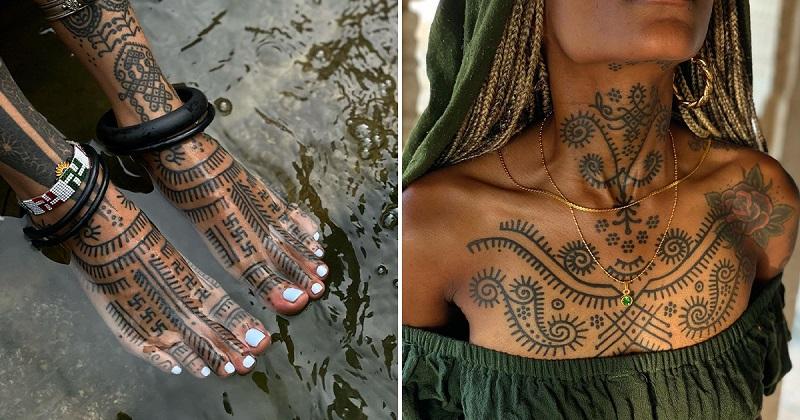
Every area worldwide has utilized body art as a pictorial medium through which individuals display themselves while creating narratives. Cultural tattooing expresses itself through more profound meanings than modern body art because it safeguards historical accounts, represents ancestral values, and maintains ancestral connections to cultural origins.
Bamboo tattooing is prominent among the diverse ancient tattoo forms because of its traditional lineage and essential spiritual components. In this blog, we will explore the cultural connotations of bamboo tattoos in Phuket and other places and discover how the art form is used to tell a different story about tattooing.
The Use of Tattoos as Cultural Time Capsules
The art of body modification, titled tatau, originated with Polynesians. Still, it spread throughout Asia, where it became known as irezumi in Japan and Sak Yant in Thailand while it served to broadcast lineage together with belief systems and passage rituals.
The lack of written language made tattooed symbols of how people could bring their ancestry to show through ink that stays permanently on their bodies. Every shape and line went beyond decoration because it contained a specific cultural meaning that the ethnic population understood.
The advancement of globalization has led people to adopt cultural tattoos that represent both indigenous cultural preservation and contemporary resistance movements. Modern-day people choose traditional tattoos to restore forgotten cultural narratives and sustain traditional art forms toward survival.
Bamboo Tattoo as a Sacred Art Form
A pointed bamboo rod is a tool for bamboo tattoos, while machine tattoos use electric instruments. The Thai technique of bamboo tattooing goes back multiple centuries before electric tattooing while offering allegedly reduced skin abrasions through faster healing time and gentler skin treatment. Bamboo tattoos served two traditional purposes for both monks and warriors as they became more than simple art because they provided spiritual protection.
Modern travelers and nearby residents choose bamboo tattoos because they are crucial for understanding traditional Thai heritage.
Use of Spirituality and Symbolism in Thai Tattoos
The traditional Thai tattoo meaning extends past esthetics because these marks represent defensive power, fortune, and sacred energy domains. Sak Yant tattoos require spiritual practitioners or Buddhist monks to perform them because of their extraordinary cultural position in Thai culture. The mystical energy within each tattoo gets activated during the tattooing process when the practitioner recites sacred chants.
All the geometric shapes and written inscriptions in Sak Yant's designs maintain their significance as visual elements of prayer. The type of Sak Yant tattoo received based on design selection determines whether it will provide defensive protection during war or draw success to the wearer. One can visit the tattoo shop on Phuket Island or other places in Thailand to get the fantastic tattoos symbolizing Thai heritage.
Tattoos That Implies More as a Commitment
Machine depictions can entice travelers, particularly when visiting foreign countries. Being responsible is a necessary condition when getting cultural tattoos. Before proceeding, people must analyze cultural traditions, sacred design status, and historical facts about specific patterns. Showing respect matters throughout all aspects of tattoo acquisition, including the artwork and its historical origin.
Therefore, when it comes to cultural tattoos, respect towards history and tradition is the first thing a person needs to show before getting one on the body.
Post Your Ad Here
Comments