How Does a Thermowell Protect a Temperature Sensor?
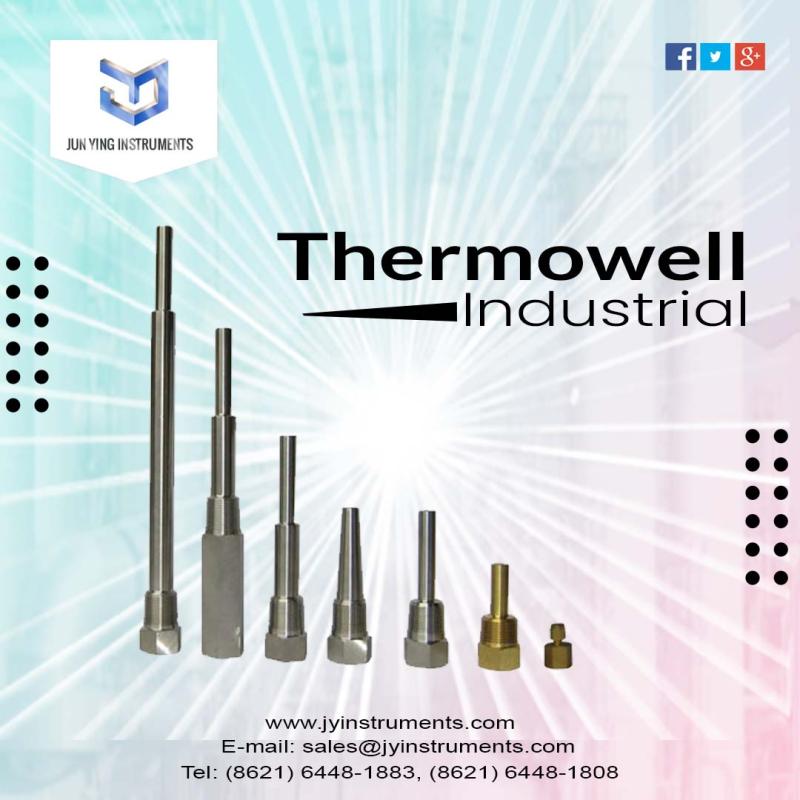
Temperature measurement is a
critical component in many industrial processes. Whether in chemical plants,
power generation facilities, or food processing industries, maintaining
accurate and reliable temperature readings is essential for safety, quality,
and efficiency. One of the key components that ensure the longevity and
accuracy of temperature sensors—such as thermocouples or resistance temperature
detectors (RTDs)—is the thermowell.
But what exactly is a
thermowell, and how does it protect a temperature sensor? Let’s take a closer
look.
What Is a
Thermowell?
A thermowell & Glass Tube Thermometer is
a cylindrical fitting made from metal or other strong materials, designed to
encase a temperature sensor. It is inserted into a process stream or equipment
so that the sensor inside can measure temperature without being directly
exposed to the medium (such as liquid, gas, or steam).
Thermowells are typically
threaded, flanged, or welded into the process piping or vessel. The sensor is
then inserted into the thermowell’s interior cavity and held in place. This
arrangement allows the sensor to measure the temperature through the thermowell
wall while remaining physically separate from the process.
Primary
Protective Functions of a Thermowell
1. Physical
Protection from Harsh Environments
In industrial settings, the
medium being measured can be extremely harsh—corrosive chemicals, abrasive
particles, or high-pressure fluids. Direct exposure of temperature sensors to
these elements can quickly damage or destroy them.
Thermowells provide a robust
physical barrier between the sensor and the process medium. They are made from
materials chosen specifically for their resistance to corrosion, pressure, and
wear. This significantly extends the life of the sensor by shielding it from
direct contact.
2. Isolation
from High Pressure and Flow
In many processes, the
pressure within a pipe or vessel can be quite high. A sensor exposed directly to
this environment would be subject to forces that could compromise its
structural integrity.
Thermowells act as a pressure
boundary, allowing the sensor to measure temperature without being directly
affected by pressure and flow-induced forces. This also helps prevent sensor
breakage due to vibration or turbulence caused by high-velocity fluids.
3. Ease of
Maintenance and Replacement
In systems that operate
continuously or handle hazardous materials, it is not always safe or practical
to shut down the process to replace a faulty sensor. Because thermowells
isolate the sensor from the process medium, they allow for sensor removal and
replacement without draining the system or halting operations.
This not only saves time and
maintenance costs but also improves safety and process efficiency.
4. Improved
Sensor Stability
Thermowells & Sanitary pressure gauge
can help reduce the effects of vibration and mechanical shock on temperature
sensors. Some processes produce vibrations that can cause fatigue and failure
in delicate sensor elements. The rigid construction of a thermowell dampens
such vibrations and offers a more stable environment for the sensor.
Thermowell
Design Considerations
For a thermowell to provide
optimal protection and performance, it must be properly designed and selected
based on the process conditions. Important factors to consider include:
- Material compatibility: The
thermowell must be made from materials that are compatible with the
process medium to avoid corrosion or chemical degradation.
- Wall thickness and length: These
factors affect the thermowell’s strength and its ability to respond to
temperature changes quickly.
- Insertion length: The sensor needs to be
located where it can get an accurate representation of the process
temperature, often in the middle of a pipe or tank.
- Process pressure and temperature: The
thermowell must be rated for the maximum operating conditions it will
face.
Common
Thermowell Materials
Thermowells are manufactured
from a variety of materials, each suited for different applications. Common
materials include stainless steel, carbon steel, Inconel, Monel, and other
high-performance alloys. The choice depends on the chemical nature of the medium,
operating temperature, and pressure.
Conclusion
Thermowell for thermometer play a
vital role in ensuring accurate and reliable temperature measurement in
industrial processes. By protecting sensors from harsh conditions, high
pressures, and mechanical wear, they significantly extend the life of
temperature instruments and allow for safer, easier maintenance. Selecting the
right thermowell for the application ensures not only the protection of
equipment but also the integrity and efficiency of the entire process.
Understanding how thermowells
function and their role in temperature measurement systems is essential for
engineers, technicians, and maintenance professionals working in demanding
environments. Investing in proper thermowell design and installation can lead to
better performance, reduced downtime, and increased operational safety.

Post Your Ad Here
Comments