Eco-Friendly Education: How Private Schools Are Leading the Way in Sustainability
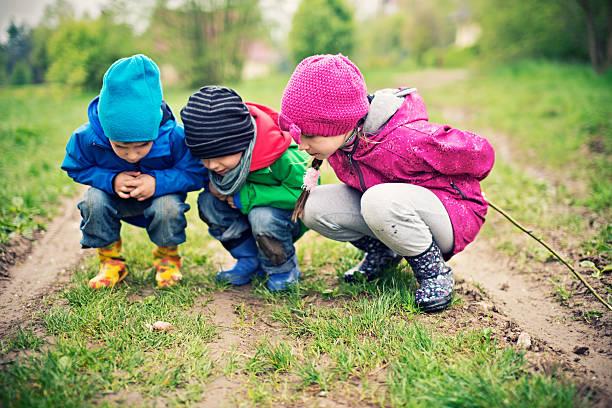
The importance of sustainability has never been greater, and the education sector is playing a vital role in shaping future generations to be environmentally responsible. Many private schools are leading the way in integrating eco-friendly practices into their curriculums, operations, and overall school culture.
From green building initiatives to hands-on environmental learning, these schools are setting an example for how education and sustainability can go hand in hand.
At Devon private schools, sustainability is not just an idea—it’s a way of life. Schools are implementing green initiatives that teach students the value of protecting the planet while actively reducing their own carbon footprints. By embracing eco-conscious policies, private schools are ensuring that young learners develop a deep-rooted understanding of sustainability that extends far beyond the classroom.
Sustainability in Private Schools: More Than Just a Trend
Private schools have the flexibility and resources to adopt innovative sustainability measures that public institutions may struggle to implement. With a commitment to long-term environmental responsibility, many independent schools are focusing on reducing waste, conserving energy, and fostering eco-awareness among students and staff.
Some of the most impactful sustainability initiatives in private schools include:
- Green Campuses – Many private schools are investing in eco-friendly infrastructure, including solar panels, rainwater harvesting systems, and energy-efficient buildings. These efforts significantly reduce the school's environmental footprint while serving as real-world examples of sustainable living.
- Zero-Waste Policies – Schools are introducing composting programs, reusable materials, and digital resources to minimize waste production. Encouraging students to adopt zero-waste habits at an early age fosters a lifelong commitment to sustainability.
- Sustainable Food Programs – Many private schools now offer organic, locally sourced meals and eliminate single-use plastics in cafeterias. Some even have school gardens where students grow their own produce, reinforcing the importance of sustainable agriculture.
- Eco-Focused Curriculum – Sustainability is being integrated into science, geography, and even business studies, allowing students to explore topics like climate change, renewable energy, and environmental ethics. Hands-on projects, such as reforestation initiatives and wildlife conservation programs, further enhance their learning.
How Private Schools Are Teaching Sustainability
Hands-On Environmental Learning
Many private schools go beyond textbook lessons by incorporating hands-on experiences that allow students to engage with nature directly. Outdoor classrooms, nature trails, and conservation projects help young learners develop a personal connection to the environment and understand the impact of their actions.
Renewable Energy Initiatives
Switching to renewable energy sources is a growing trend among independent schools. Solar panels, wind turbines, and geothermal heating systems are helping schools reduce their reliance on fossil fuels. These initiatives also serve as educational tools, allowing students to see sustainable energy in action.
Eco-Leadership Programs
Schools are encouraging students to take an active role in sustainability through eco-clubs, leadership programs, and green committees. These groups empower students to develop and implement their own environmental projects, from recycling campaigns to awareness drives on climate action.
Outdoor and Nature-Based Education
Spending time outdoors fosters a deeper appreciation for nature. Many private schools incorporate forest school programs, wildlife conservation projects, and sustainability workshops that encourage students to explore, observe, and protect their natural surroundings.
The Role of Parents and Communities in Sustainable Education
Sustainability in private schools extends beyond campus boundaries. Schools actively involve parents, local businesses, and community organizations to create a broader impact. Whether through sustainability fairs, eco-friendly fundraisers, or partnerships with environmental charities, private schools are fostering a culture of collective responsibility.
Parents are also encouraged to adopt sustainable practices at home, reinforcing what students learn at school. Simple actions like reducing household waste, conserving water, and choosing sustainable transportation options can make a significant difference in supporting a school's green mission.
Shaping the Next Generation of Eco-Conscious Leaders
By prioritizing sustainability, private schools are not only reducing their environmental impact but also shaping responsible global citizens. The values and habits instilled in students today will influence how they approach sustainability in their future careers and daily lives. Whether they become scientists, business leaders, educators, or policymakers, their foundation in environmental responsibility will guide their decisions and actions.
At an independent school Devon, students are immersed in an environment where sustainability is a fundamental part of their education. By integrating green initiatives into every aspect of learning, these schools are ensuring that the next generation is equipped to lead the way in creating a more sustainable future.
Final Thoughts
Private schools are proving that sustainability and education go hand in hand. Through innovative programs, green policies, and eco-conscious learning experiences, they are setting the standard for what it means to be an environmentally responsible institution.
As the world continues to face environmental challenges, these schools are preparing students to be the solution—empowering them with the knowledge, skills, and mindset needed to protect and preserve the planet for generations to come.
Read More :- Raising Resilient Kids: How Primary Schools Can Foster Emotional Intelligence
Post Your Ad Here
Comments