The Future of Nursery Schools: Top Trends Shaping Early Learning
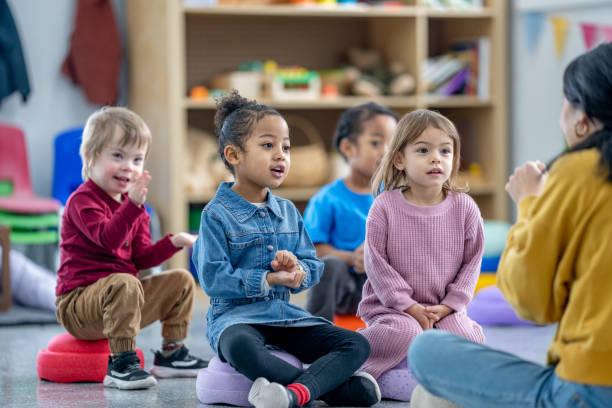
Early childhood education is evolving rapidly, with new approaches and technologies shaping the way young children learn and develop. Nursery schools are no longer just places where children play and socialize; they are dynamic learning environments that lay the foundation for future academic success. As parents seek the best early education options, understanding the latest trends in nursery schools can help them make informed choices.
One key development in early learning is the emphasis on innovative teaching methods and personalized education. Many nurseries in Wembley are adopting modern strategies that focus on holistic child development, ensuring that children receive a well-rounded education from a young age.
Play-Based and Experiential Learning
Traditional rote learning is being replaced with interactive and hands-on experiences that encourage creativity, problem-solving, and independent thinking. Play-based learning allows children to explore concepts naturally, fostering curiosity and engagement. Activities like storytelling, outdoor exploration, and role-playing help develop cognitive and social skills while keeping learning fun.
Integration of Technology in Early Education
Technology is becoming a vital tool in nursery education, with interactive apps, digital storytelling, and smartboards enhancing the learning experience. While screen time is carefully monitored, age-appropriate educational apps help children develop literacy, numeracy, and critical thinking skills in an engaging way. Digital portfolios also allow teachers to track progress and share updates with parents in real time.
Focus on Social-Emotional Development
Nurseries are placing greater emphasis on emotional intelligence, empathy, and communication skills. Programs that teach mindfulness, conflict resolution, and cooperative play help children develop a strong emotional foundation. This approach ensures that children grow up with the confidence and resilience needed to navigate social interactions and academic challenges.
Outdoor and Nature-Based Learning
Recognizing the benefits of outdoor activities, many nursery schools are incorporating nature-based learning into their curriculum. Gardening, sensory walks, and outdoor play sessions enhance motor skills, boost creativity, and improve overall well-being. Exposure to nature also fosters an early appreciation for the environment, encouraging sustainable thinking from a young age.
Personalized Learning Approaches
Every child learns at their own pace, and nursery schools are increasingly adopting individualized learning plans. Educators assess each child’s strengths, interests, and learning styles to create tailored experiences that maximize their potential. This personalized approach ensures that children remain engaged and develop confidence in their abilities.
Stronger Parent-School Collaboration
Parental involvement plays a crucial role in early education. Schools are fostering stronger connections with families through regular communication, workshops, and interactive learning sessions. Many nurseries now use digital platforms where parents can access daily reports, learning resources, and updates on their child’s progress.
Multilingual and Cultural Exposure
In an increasingly globalized world, many nurseries are introducing bilingual education programs. Exposure to multiple languages at an early age enhances cognitive flexibility, memory, and problem-solving skills. Cultural activities, such as celebrating different traditions and learning about global customs, help children develop a broader perspective of the world.
Health and Well-Being as a Priority
A growing focus on nutrition, physical activity, and mental well-being is shaping nursery education. Schools are ensuring that children receive balanced meals, engage in regular physical exercise, and participate in mindfulness activities to promote overall health. Many nurseries also provide dedicated quiet zones where children can relax and recharge.
Emphasis on Sustainability and Eco-Friendly Practices
Environmental awareness is becoming a core part of early education. Nurseries are introducing eco-friendly practices such as recycling programs, energy-efficient facilities, and sustainable play materials. Teaching children about environmental responsibility at a young age instills lifelong habits that contribute to a greener future.
Flexible Learning Models
With changing family structures and work schedules, nursery schools are offering more flexible learning options. Some institutions provide half-day programs, extended care hours, and hybrid learning models that blend in-person and at-home educational activities. These options help accommodate the diverse needs of modern families.
Many Wembley nursery schools are adopting modern strategies that focus on holistic child development, ensuring that children receive a well-rounded education from a young age.
Final Thoughts
The future of nursery schools is bright, with innovative trends reshaping early education to better prepare children for lifelong success. From play-based learning to technology integration and sustainability initiatives, these developments create enriching environments where young learners can thrive.
As parents explore early education options, they will find that a forward-thinking Wembley nursery can offer the best foundation for their child’s growth and development.
Read More :- The Magic of Play: How Unstructured Play Shapes Early Childhood Development
Post Your Ad Here
Comments