How Private Schools Foster Personalized Learning and Student Success
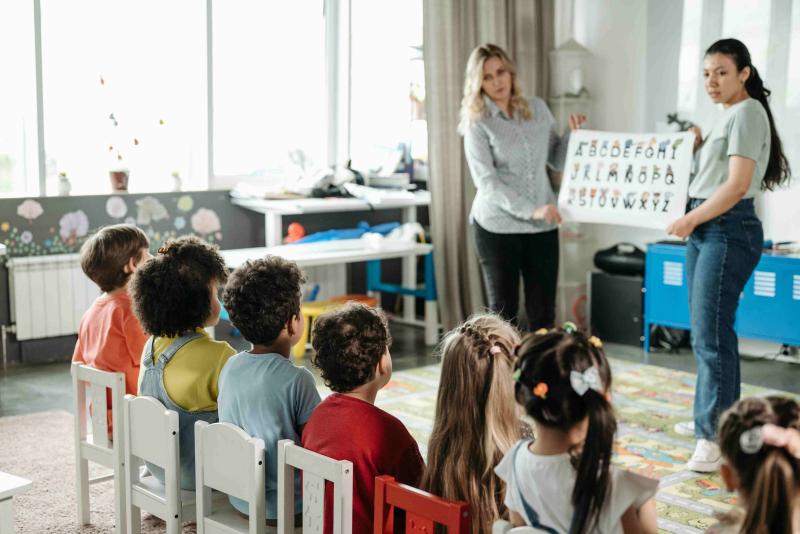
In today’s fast-paced world, education is evolving to meet the diverse needs of students. One approach gaining popularity is personalized learning, where teaching methods are tailored to each student’s unique learning style, strengths, and challenges. Private schools are at the forefront of this educational trend, offering individualized attention and customized curriculums that foster student success.
By focusing on each child’s needs, private schools create a nurturing environment that encourages curiosity, creativity, and critical thinking. This approach not only enhances academic achievement but also promotes emotional growth, self-confidence, and a lifelong love of learning.
In this article, we will explore how private schools foster personalized learning and how this educational model contributes to student success. We will also look at examples from Independent Nursery Schools Dorset that excel in providing individualized education.
What is Personalized Learning?
Personalized learning is an educational approach that tailors teaching methods, content, and pace to meet each student’s needs, interests, and abilities. Unlike traditional one-size-fits-all models, personalized learning recognizes that each child is unique and learns differently.
This approach involves:
- Customizing lesson plans and assignments to match the student’s learning style.
- Allowing students to progress at their own pace, ensuring they fully understand each concept before moving on.
- Encouraging student agency by giving them choices in their learning paths.
- Providing continuous feedback and assessments to track progress and adjust teaching strategies accordingly.
Personalized learning empowers students to take ownership of their education, promotes self-motivation, and enhances their problem-solving and critical-thinking skills.
How Private Schools Implement Personalized Learning
Private schools are uniquely positioned to provide personalized learning due to their smaller class sizes, flexible curriculums, and dedicated teachers. Here’s how they achieve this:
Smaller Class Sizes and Individual Attention
One of the main advantages of private schools is smaller class sizes, allowing teachers to give more individual attention to each student. In a more intimate classroom setting, teachers can understand each child’s strengths, challenges, and learning preferences.
This personalized approach enables educators to tailor instruction to meet students' specific needs, whether they require additional support in certain subjects or are ready to tackle more advanced material. Smaller class sizes also create a close-knit learning community where students feel comfortable asking questions and expressing themselves.
Flexible and Customized Curriculum
Private schools have the flexibility to design their curriculum to meet the needs of their students. Unlike rigid public school curriculums, private schools can adjust lesson plans, teaching methods, and assessments to align with each student’s learning style and pace.
For example, if a student excels in mathematics but struggles with reading, the teacher can provide advanced math challenges while offering extra support in reading comprehension. This flexibility ensures that students are neither bored by repetitive lessons nor overwhelmed by material that is too difficult.
Student-Centered Learning and Choice
Personalized learning in private schools empowers students to take an active role in their education. By giving students choices in their learning paths, private schools encourage independence, responsibility, and self-motivation.
Students can explore subjects that interest them, select projects that reflect their passions, and engage in hands-on activities that stimulate their curiosity. This approach fosters a love of learning and helps students develop critical thinking, creativity, and problem-solving skills.
Independent Nursery Schools in Dorset are known for implementing student-centered learning by offering a range of activities and experiences tailored to each child’s interests and developmental stage. This nurturing environment helps young children explore their creativity, build social skills, and develop a positive attitude toward learning.
Technology-Enhanced Learning
Many private schools leverage technology to enhance personalized learning experiences. Digital tools, educational apps, and interactive platforms allow students to learn at their own pace and explore subjects more deeply.
For example, adaptive learning software adjusts the difficulty level based on the student’s performance, providing personalized feedback and challenges. Online resources also offer students the flexibility to revisit lessons, practice skills, and engage in interactive simulations.
Incorporating technology into the classroom supports different learning styles, whether visual, auditory, or kinesthetic. It also encourages collaboration and communication among students through digital projects and group discussions.
The Role of Teachers in Personalized Learning
Teachers play a crucial role in implementing personalized learning in private schools. They act as mentors, facilitators, and guides, providing individualized instruction and support to help each student succeed.
Continuous Assessment and Feedback
Private school teachers use continuous assessments to monitor each student’s progress and adjust teaching strategies accordingly. Unlike standardized testing, these assessments are personalized, focusing on individual growth and mastery of concepts.
Teachers provide timely feedback and constructive guidance, helping students identify their strengths and areas for improvement. This approach encourages self-reflection and empowers students to set their own learning goals.
Collaborative Learning and Peer Interaction
While personalized learning focuses on individual needs, private schools also emphasize collaborative learning. Group projects, peer discussions, and team-based activities promote social interaction, communication, and teamwork.
By working with peers, students learn to share ideas, solve problems collectively, and appreciate diverse perspectives. This collaborative approach enhances critical thinking and creativity while building strong interpersonal skills.
Dorchester schools are known for fostering a collaborative learning environment that encourages students to engage in group discussions, participate in debates, and work on team-based projects. This balanced approach ensures that students develop both individual and social skills.
Benefits of Personalized Learning in Private Schools
Enhanced Academic Achievement
Personalized learning ensures that each student progresses at their own pace, mastering concepts before moving on to the next level. This approach reduces learning gaps, boosts confidence, and enhances academic performance.
By receiving individualized instruction and continuous feedback, students develop a deeper understanding of subjects and achieve higher academic standards.
Emotional and Social Development
In addition to academic success, personalized learning nurtures emotional and social growth. Students feel valued and respected when their individual needs and interests are recognized. This positive learning environment boosts self-esteem, emotional intelligence, and resilience.
Collaborative activities and group projects also promote social skills, teamwork, and leadership abilities. Students learn to communicate effectively, resolve conflicts, and appreciate diversity.
Lifelong Love of Learning
Personalized learning empowers students to take ownership of their education and pursue their passions. By exploring subjects that interest them and engaging in meaningful experiences, students develop curiosity and a love of learning that extends beyond the classroom.
Conclusion
Private schools are leaders in personalized learning, providing individualized attention, customized curriculums, and student-centered experiences that foster academic success and personal growth. By recognizing each child’s unique learning style and needs, private schools create a supportive environment where students thrive.
Personalized learning not only enhances academic achievement but also promotes social and emotional development, critical thinking, and a lifelong love of learning. For parents seeking an educational environment that values each child’s uniqueness and potential, private schools offer an exceptional choice for nurturing student success.
Read More :- How to Foster Mental Health and Well-being in Schools: Strategies for Educators
Post Your Ad Here
Comments