Social Skills in Preschool: Teaching Kids to Share, Communicate, and Collaborate
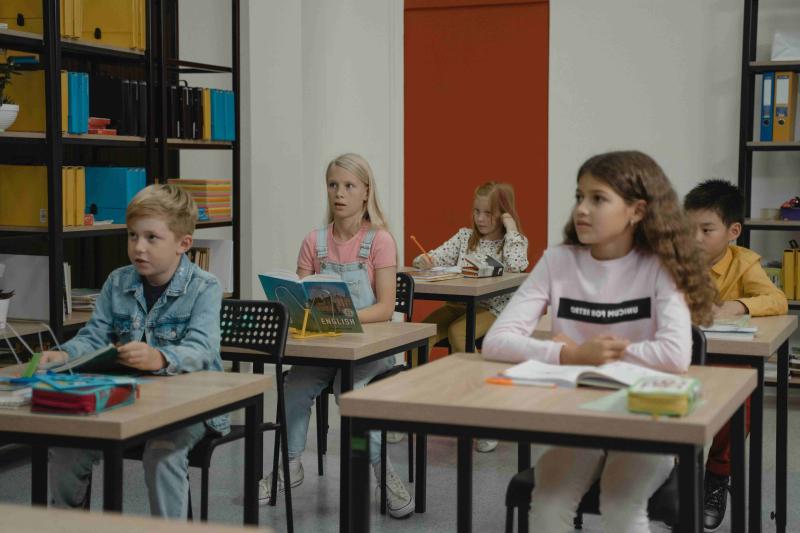
Social skills are fundamental to a child’s development and play a vital role in their overall growth and future success. In preschool, children learn how to interact with others, express their feelings, and build meaningful relationships. Teaching social skills such as sharing, communication, and collaboration not only fosters positive interactions but also prepares children for academic success and life beyond the classroom.
Preschools provide the ideal environment for young children to develop these essential skills. Through guided play, group activities, and teacher-led interactions, children learn how to navigate social situations, resolve conflicts, and work as a team. If you’re considering enrolling your child in a nurturing environment, exploring options like nurseries in New Malden can provide a strong foundation for social and emotional development.
This article explores the importance of social skills in preschool and how educators teach children to share, communicate effectively, and collaborate with others.
The Importance of Social Skills in Early Childhood
1. Building Healthy Relationships
Social skills are crucial for forming positive relationships with peers, teachers, and family members. In preschool, children interact with others daily, helping them learn how to communicate, express emotions, and understand different perspectives.
When children develop good social skills early on, they are more likely to build strong friendships, work well in teams, and feel a sense of belonging. These positive relationships contribute to emotional well-being and boost self-esteem.
2. Enhancing Emotional Intelligence
Social skills are closely linked to emotional intelligence, which involves recognizing and managing one’s emotions and understanding others' feelings. In preschool, children learn to identify emotions, express them appropriately, and respond empathetically to others.
Activities such as storytelling, role-playing, and group discussions help children understand emotional cues, develop empathy, and build emotional resilience. These skills are essential for navigating social interactions and maintaining positive mental health.
Teaching Children to Share
3. Understanding the Concept of Sharing
Sharing is one of the first social skills children learn in preschool. It teaches them about fairness, cooperation, and empathy. However, sharing does not come naturally to young children as they are still learning about ownership and boundaries.
Teachers help children understand the concept of sharing by modeling the behavior, using positive reinforcement, and creating opportunities for turn-taking. By praising children when they share and explaining why sharing is important, educators help them develop generosity and consideration for others.
4. Encouraging Cooperative Play
Preschools encourage cooperative play activities where children work together towards a common goal, such as building a block tower or completing a puzzle. These activities naturally promote sharing as children learn to take turns, negotiate, and collaborate.
In environments like a nursery in Westbury, teachers strategically organize playgroups to encourage social interactions and sharing experiences. This approach helps children practice patience, develop social awareness, and build strong friendships.
Developing Communication Skills
5. Promoting Verbal Communication
Effective communication is essential for expressing needs, thoughts, and feelings. In preschool, children develop verbal communication skills through storytelling, group discussions, and show-and-tell activities.
Teachers encourage children to use words to express their emotions rather than resorting to physical actions. By asking open-ended questions and actively listening to children, educators help them articulate their thoughts and develop confidence in speaking.
6. Enhancing Non-Verbal Communication
Communication is not just about words; it also involves non-verbal cues such as facial expressions, body language, and eye contact. Preschool activities like role-playing, puppet shows, and expressive arts help children understand and practice non-verbal communication.
For example, during storytelling sessions, teachers use animated facial expressions and gestures to convey emotions, helping children learn to interpret non-verbal cues. This enhances their ability to read social signals and respond appropriately in social interactions.
Teaching Collaboration and Teamwork
7. Group Activities and Cooperative Learning
Preschool is the perfect environment for teaching collaboration and teamwork. Group activities such as building projects, art collaborations, and group games require children to work together, share ideas, and solve problems collectively.
These cooperative learning experiences teach children about leadership, compromise, and mutual respect. By participating in team-based activities, children learn to appreciate different perspectives and develop conflict resolution skills.
8. Encouraging Peer Support and Helping Behavior
Teachers in preschools encourage peer support by creating opportunities for children to help each other. For example, pairing children for buddy activities or group tasks fosters a sense of responsibility and cooperation.
Helping behavior not only builds empathy but also enhances social bonds and strengthens community spirit. Children learn the value of teamwork and develop positive social interactions that contribute to a harmonious learning environment.
Role of Educators in Teaching Social Skills
9. Modeling Positive Behavior
Children learn by observing adults, and teachers play a crucial role in modeling positive social behavior. By demonstrating kindness, patience, and respectful communication, educators set an example for children to emulate.
Teachers also use storytelling and role-playing scenarios to teach social skills. For example, using puppets to demonstrate how to share toys or solve conflicts helps children understand social rules and practice appropriate behaviors.
10. Creating a Supportive Learning Environment
A nurturing and supportive learning environment is essential for social and emotional development. In preschools, teachers create inclusive classrooms where children feel safe, valued, and encouraged to express themselves.
Positive reinforcement, empathy, and constructive feedback help children build self-esteem and develop healthy social skills. By fostering a culture of respect and cooperation, preschools lay the foundation for positive social interactions and lifelong learning.
Choosing the Right Preschool for Social Development
When selecting a preschool, it’s important to choose one that prioritizes social and emotional development. Consider the following factors:
- Curriculum Approach: Look for preschools that incorporate play-based learning and social skill development.
- Qualified Educators: Experienced teachers who understand child psychology and use effective strategies for teaching social skills.
- Interactive Learning Environment: Classrooms that encourage group activities, cooperative play, and peer interactions.
- Positive Reviews and Recommendations: Feedback from other parents about the preschool’s focus on social and emotional growth.
If you are looking for a nurturing environment that emphasizes social skill development, consider enrolling your child in nurseries in New Malden or a reputable nursery in Westbury. These preschools provide a supportive space where children learn to share, communicate, and collaborate effectively.
Conclusion
Social skills are fundamental for building positive relationships, emotional intelligence, and effective communication. Preschool is a critical stage for developing these skills, as children learn how to share, communicate, and collaborate through guided play and social interactions.
Educators play a key role in teaching social skills by modeling positive behavior, encouraging cooperative play, and creating a supportive learning environment. When children master these essential skills early on, they are better equipped to succeed academically and navigate social situations with confidence and empathy.
Choosing the right preschool, such as nurseries in New Malden or a reputable nursery in Westbury, can provide the ideal environment for your child’s social and emotional development. By prioritizing social skills in early childhood education, we empower children to grow into compassionate, confident, and capable individuals.
Read More :- Sustainability in Early Childhood Education: How Nursery Schools Are Leading the Way

Comments