Top 5 Mistakes to Avoid After Knee Replacement Surgery
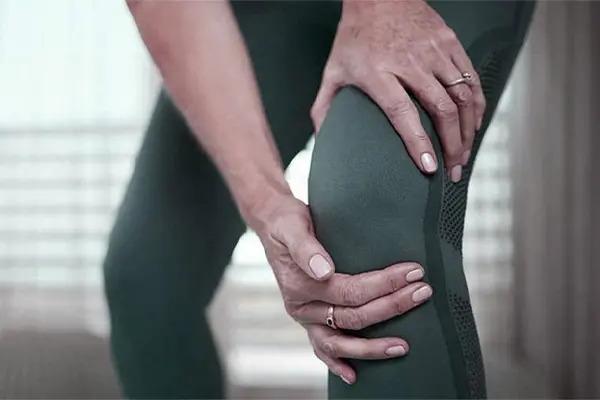
Knee replacement surgery is a significant step toward regaining mobility and reducing pain, but proper care during recovery is just as crucial. Many patients unknowingly make mistakes that can slow down healing or even compromise the success of the surgery. Here are the top five mistakes to avoid after knee replacement surgery to ensure a smoother recovery.
1. Skipping Physical Therapy Physical therapy is essential for restoring your knee's strength, mobility, and flexibility. Some patients feel tempted to skip sessions, especially when slow progress or discomfort arises. However, neglecting therapy can lead to stiffness, reduced range of motion, and longer recovery times. Consistently attending physical therapy and following prescribed exercises is key to a successful recovery.
2. Overexerting Yourself Too Soon Many patients are eager to resume normal activities and may push themselves too hard, too soon. Overexertion can lead to swelling, increased pain, or even damage to the surgical site. It’s crucial to follow your surgeon’s guidelines on activity levels and gradually increase physical activity as your knee heals.
3. Ignoring Signs of Infection or Complications Failing to recognize early signs of complications, such as infection, can be dangerous. Watch for symptoms like redness, warmth, increased pain, fever, or unusual drainage around the incision site. Promptly reporting these signs to your doctor can prevent more severe issues.
4. Not Managing Pain Properly Pain management is vital to recovery. Some patients may avoid taking prescribed pain medication due to fear of dependency, while others may not use it as directed. Poor pain management can hinder physical therapy and delay progress. Work with your healthcare provider to develop a safe and effective pain management plan.
5. Neglecting to Use Assistive Devices Assistive devices like walkers, canes, or crutches are designed to support your knee and reduce strain during recovery. Many patients stop using them prematurely, thinking they’re unnecessary once they feel better. However, discontinuing their use too early can lead to instability, falls, or setbacks. Use assistive devices as recommended by your healthcare team.
Conclusion Recovery from knee replacement surgery requires patience, discipline, and adherence to medical advice. By avoiding these common mistakes, you can enhance your healing process and regain mobility more effectively. Always consult your healthcare provider for personalized guidance and support during your recovery journey.
Post Your Ad Here
Comments