The Core Purpose of Data Mining
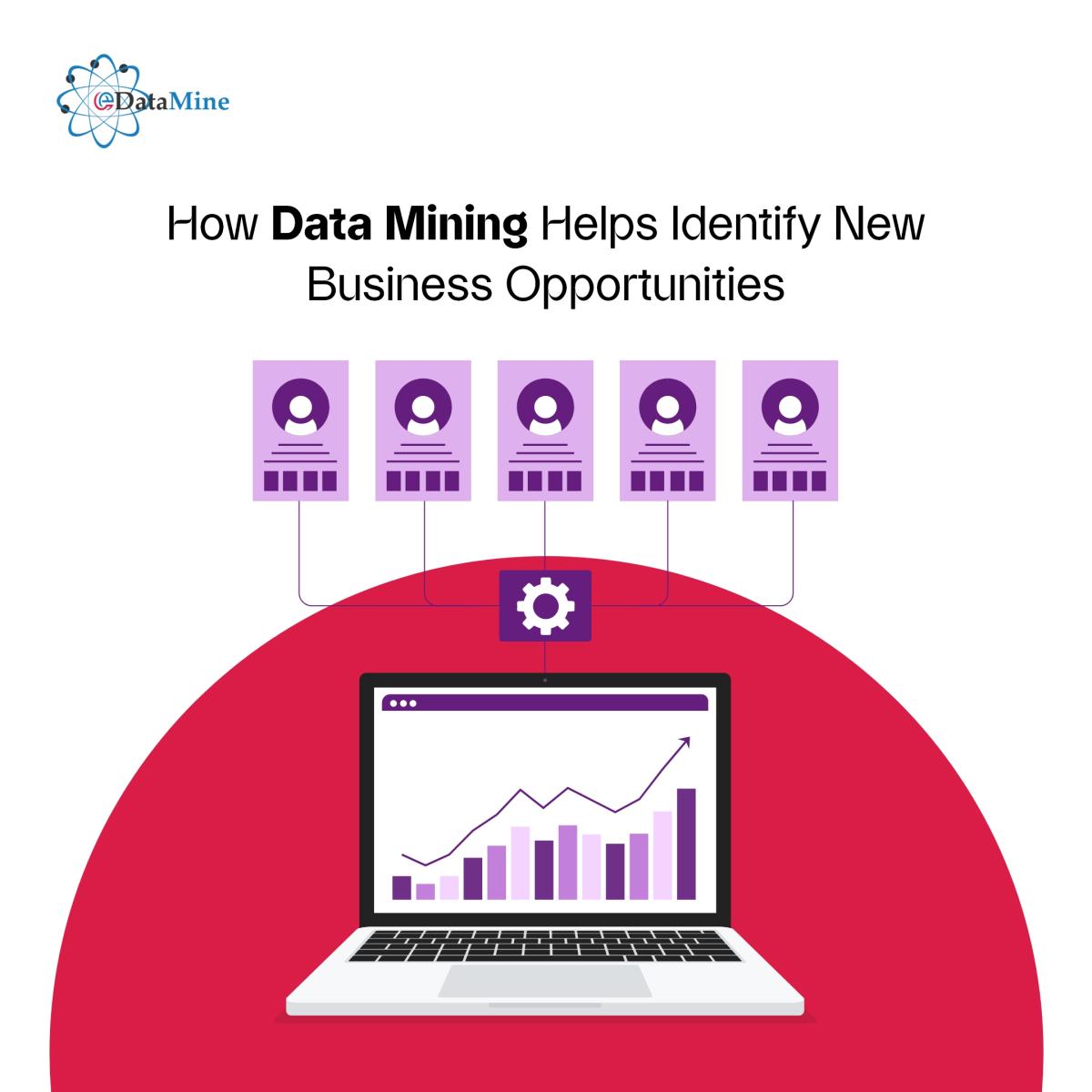
Data mining is the process of discovering patterns, correlations, and anomalies within large datasets to predict outcomes and extract valuable information. It is often referred to as "knowledge discovery" and involves a combination of statistical analysis, machine learning, and database management. The primary objective is to transform raw data into actionable information that can inform decision-making and provide a competitive edge.
Key Techniques for Identifying Opportunities
Several data mining techniques are specifically designed to uncover hidden patterns and relationships that point to new business opportunities.
- Classification: This technique categorizes data into predefined groups based on specific criteria. It helps businesses segment customers, detect spam, or assess credit risk. For instance, a customer management team can use classification to categorize customers by their buying behavior and monitor their interactions over time.
- Clustering: Unlike classification, clustering is an unsupervised technique that groups similar data points together without predefined categories. This is crucial for market segmentation, allowing businesses to identify distinct customer groups based on shared characteristics or behaviors. This segmentation can inform targeted marketing strategies and product development.
- Association Rule Mining: This technique identifies relationships between different variables in a dataset. It is commonly used in e-commerce to find product associations. For example, if a customer buys a phone, they are likely to also purchase a phone case or screen protector. This insight can be used to recommend complementary products and increase cross-selling opportunities.
- Text Mining: This involves extracting useful information from unstructured text data, such as customer reviews or social media posts, using natural language processing (NLP). Text mining can be used for sentiment analysis to gauge customer satisfaction or for topic modeling to identify emerging trends in customer feedback.
- Predictive Analytics: By analyzing historical data, data mining can forecast future trends and behaviors. This allows businesses to proactively address potential issues or capitalize on emerging opportunities, such as predicting customer churn or forecasting market demand.
Applications in Identifying New Business Opportunities
By applying these techniques, businesses can uncover insights that directly lead to new opportunities in several key areas.
- Market Segmentation and Customer Insights: Data mining enables businesses to divide a broad market into smaller, more defined segments based on shared characteristics. This allows for hyper-targeted marketing campaigns, personalized product offerings, and the development of new services tailored to specific customer needs. For example, supermarkets can use loyalty card data to detect major life changes in customers and adjust promotions accordingly, such as sending relevant coupons for a new baby before the customer even announces the pregnancy.
- Product and Service Innovation: Analyzing customer feedback and purchasing patterns can provide valuable insights for developing new products or services that better meet customer needs. E-commerce giants like Amazon use data mining to drive real-time product suggestions, which is responsible for up to 35% of their revenue.
- Operational Efficiency and Cost Reduction: Data mining can identify inefficiencies in internal processes, such as inventory management or supply chain logistics, leading to cost savings and improved productivity. For instance, manufacturing firms can use data from embedded sensors to predict equipment maintenance needs, moving from reactive to proactive maintenance schedules.
- Risk Management and Fraud Detection: By identifying unusual patterns or anomalies, data mining is a powerful tool for detecting fraudulent activity and managing financial risks. This helps businesses minimize losses and protect their assets.
- Web Traffic and Demand Forecasting: Analyzing historical web traffic data can help businesses predict future trends, allowing for strategic decisions about content creation, resource allocation, and marketing campaigns.
Real-World Examples of Data Mining Success
Several companies have successfully leveraged data mining to uncover new opportunities and drive growth.
- Groupon: By mining its cloud-hosted data warehouse, Groupon can craft customized recommendations for users in real-time, ensuring that deals are shown to the users most likely to take advantage of them. This has been critical to the company's success.
- Medibank: This Australian health insurance provider uses data mining and analytics in the cloud to improve the performance of its customer loyalty and marketing units. This ensures that its 3.76 million customers receive personalized and useful information.
- Target: A famous example involves Target's use of data mining to predict a customer's pregnancy based on shifts in their shopping behavior, such as purchasing unscented lotion and cotton balls. The company could then send relevant coupons to the customer before the baby was even announced.
Challenges in Data Mining
While the benefits are significant, businesses must also navigate several challenges to implement data mining effectively.
- Data Quality: Ensuring the accuracy, completeness, and consistency of data is critical. Poor-quality data can lead to unreliable insights and flawed conclusions.
- Data Privacy and Security: As data becomes more valuable, compliance with data sovereignty and privacy laws is essential to avoid legal issues and protect customer trust.
- Scalability: The larger the dataset, the more complex it becomes to mine. Algorithms and models must be designed with scalability in mind to handle vast amounts of data efficiently.
- Noise and Redundancy: Datasets often contain redundant or irrelevant information. Data teams must carefully filter out "noisy" data throughout the mining process to maintain the integrity of the project.
Read More: How Data Mining Helps Identify New Business Opportunities

Comments