Why Monochrome Art is Still the Height of Artistic Beauty
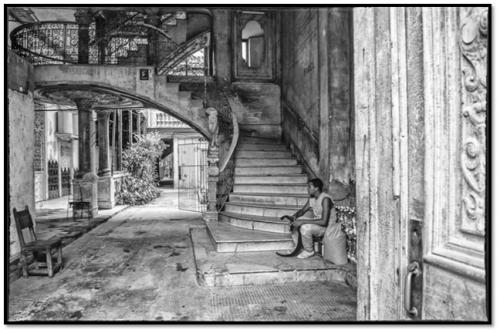
While there are some who think monochrome art limits our choice of creation, many renowned artists see it as a way that brings out their opinions without any bells or frills. Whereas the argument is that we see the world in color, so why should our photographs and art not being in color too; the counterargument is that why should we discard monochrome art, purely on the basis of its simplicity?
The Significance of Monochrome Art
· Focus on Key Elements
The beauty of monochrome art is that it does not distract from the actual point of the art. Monochrome art promotes the observer to focus on the key elements of the art, such as light, elements of the picture and composition of the shot. As such, with monochrome art, the artists doesn’t work to make one aspect of the painting pop, they do so by allowing the viewer to focus on the shot as a whole.
· Light
The most important aspect of monochrome photos is its focus on lighting. With colored images, you concentrate more on the different parts of the photo itself. With monochrome photos, the pieces reflect the importance of the quality and quantity of light in the shot.
· Emphasis on Emotion
Color begets life. But with monochrome, the result allows emotion to be studied in a real perspective. Without color, the picture focuses on the emotional connection one feels with the subject. Now, while this connection might be something that many people feel with colored images as well. However, without color, it is this connection purely that attracts the viewer to the photo.
· Negative Space
Negative space in art terms, is the area of the frame that has nothing in it. As such, this negative space allows the photographer to use it as the focus of the shot. With minimal distraction, negative space allows the viewer to see the subject in depth, as it is away from the background. Negative space also allows the photographer to focus on the light and dark areas of the photo and their relationship with one another.
· Highlights Beauty
The beauty of black and white photography is that it provides a softer tonal range that goes from the deepest of blacks to the whitest of whites. This helps greatly for those who want to emphasize of the beauty of different skin tones and aspects of human features. With monochrome photos, any pigmentation, discoloration or distracting elements lose their harshness and become less obvious, allowing the deeper impression of the person’s features to come through.
· Focus on Composition
Composition and lighting are two reasons why black and white photography is still seen as the most professional and artistic form of photography. Chromatic compositional elements pop within the frame as the viewer is not distracted by any garish colors.
With the world becoming more interested in the grace and beauty of color, it is quite a contrast that the art world is instead, delving deeper into the complexity of its monochromatic beauty.
Monochrome is one such style of art that transcends the concept of creativity and allows the observer to study the artwork for its sense of realness, rather than its contrast of color.
And with the help of talented artists such as Judith Barath and others, art and beauty lovers can use their viewpoint in monochrome photography to express their connection with the complex depth of these creative elements.
Post Your Ad Here
Comments