What Are The Different Components Of An RO Water Purifier?
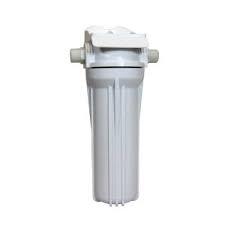
If you are planning to buy
a water purification system that provides the purest form of water, you must
choose an RO water purifier. It is the water purification system that ensures
that the water obtained thus, is free from all kinds of particulate
contaminants and microbes. Thus, the water that is obtained is safe and
healthy. However, RO water purification technology follows certain complex
processes. You need to know that there are various components of such a system
that together work towards making the water clean and fit for drinking.
Before you buy a water filtration system that follows the RO technology, you must know what are the components of such a system. Given below is a list of the main components that are there in a reverse osmosis system:
Line valve for water to enter: This is the valve that is fitted to the water supply of your home. The valve is fitted with a tube that attached to the RO filter on the inlet side. This is the main water source of an RO water purifier. You must ensure that the water of the optimum temperature should enter the system for it to perform optimally.
Several
pre filters: Before the water reaches the reverse
osmosis membrane, the water enters the pre filters. There may be one or more
pre-filters in a reverse osmosis system. There are different types of pre
filters in an RO water purifier. Some brands use
sediment filters, while the others use chemical filters. The more pre filters
are there in such a system, the better it is. The sediment filters that are
commonly used in such a filtration process, actually removes dirt, sand, and
slit from the water. If there are any other types of sediments in the water, these
pre filters remove those effectively. Then, there are carbon filters that are
effective to remove chlorine and other chemicals from the water that enters the
RO membrane. Activated carbon pre filters that are used in an RO water
purification system are actually used if the semi permeable membrane used is
TFC (Thin Film Composite) or TFM (Thin Film Material). However, if the membrane
in the RO system used is CTA or Cellulose tri-acetate.
Reverse
osmosis membrane: This is the main membrane of the RO
system. This is the semi permeable membrane that the water will finally pass
through to come out clean and safe for drinking. Generally, the two types of
membranes that are used in a reverse osmosis process are CTA and the TFC or TFM
(already discussed). The cellulose tri-acetate membrane is chlorine tolerant
and thus, can work to filter the water that is rich in chlorine. While buying
an RO system, you need to check the type of membrane that is coming with the
model that you are choosing.
Automatic
shut-off valve: most of the RO systems that are available
in the market are with storage units. That is the reason you need to check
whether the system you are choosing has a shut off valve. When the storage tank
is completely full, this valve shuts off. This stops the water from the source
to enter the system any more.
There are other secondary
components like the drain line and the faucet that comes along with an RO water
purifier.
Post Your Ad Here
Comments