Unveiling the Secrets of Home Insulation: Understanding Costs and Benefits
In the quest to create an energy-efficient and eco-friendly living space, home insulation stands out as a cornerstone. The importance of insulation goes beyond just temperature regulation – it's a key element in increasing energy efficiency, reducing utility bills, and reducing your carbon footprint. As homeowners increasingly recognize the need for sustainable living, the demand for effective insulation solutions is increasing.
Energy Efficiency Benefits
The role of home insulation in energy efficiency cannot be
underestimated. By creating a thermal barrier between the interior and exterior
of a home, insulation helps maintain a comfortable temperature throughout the
year. This reduces dependence on heating and cooling systems, resulting in
significant savings on energy bills. The long-term financial benefits of a
well-insulated home are complemented by a lower environmental impact, making it
a win-win for both homeowners and the planet.
Types of Home Insulation
1. Fiberglass Insulation
Fiberglass insulation has long been a popular choice for
homeowners seeking cost-effective and efficient insulation. Its features and
benefits include excellent thermal performance, fire resistance and ease of
installation. The installation process involves fitting fiberglass batts or
rolls between wall studs, floor joists and ceiling rafters. Despite its
widespread use, cost analysis shows that fiberglass insulation is an affordable
option for homeowners who want to increase their home's energy efficiency.
2. Spray Foam Insulation
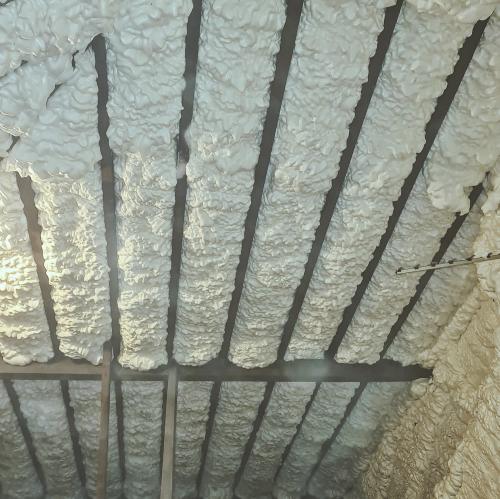
In the field of insulation, spray foam stands out as a
versatile and effective solution. Its overview involves liquid foam that
expands into a solid material, filling the gaps and providing a seamless
barrier against heat transfer. Although it has advantages such as better
insulation performance and air sealing properties, it still needs to be
considered. Understanding the factors that affect spray foam insulation cost,
including type of foam, area of application, thickness, labor costs and
additional considerations, is important for homeowners looking to make an informed
decision.
3. Attic Insulation
The importance of attic insulation in maintaining a
comfortable indoor environment cannot be underestimated. An inadequately
insulated attic can lead to significant heat loss during the winter and heat
gain during the summer. Exploring the different types of attic insulation
materials such as fiberglass, cellulose, and spray foam is essential for
homeowners aiming to optimize their insulation strategy. Additionally, attic
insulation cost factors, including material type, insulation R-value, attic
size and layout, installation method, and regional variations, play a
significant role in shaping the overall investment.
Factors Influencing Spray Foam Insulation Cost
1. Type of Spray Foam
It is important to understand the difference between
open-cell and closed-cell spray foam in estimating insulation costs. While open-cell
foam is more budget-friendly, closed-cell foam offers a higher R-value and acts
as a moisture barrier. Homeowners should weigh these factors based on their
specific needs and budget constraints.
2. Area of Application
The cost of spray foam insulation varies depending on the
area of application. Whether used for wall insulation, ceiling insulation, or
in crawlspaces and basements, the amount and complexity of the application
affect the overall cost. Each application area has specific requirements that
affect the insulation process.
3. Thickness of Insulation
The thickness of the insulation layer directly affects its
thermal performance. Deeper insulation generally provides higher R-values,
which contribute to increased energy efficiency. However, increased thickness
also comes with higher material and labor costs, requiring balanced
consideration for optimal results
4. Labor Costs
Professional installation is a significant component of
spray foam insulation costs. Experienced installers ensure proper application
while maximizing the effectiveness of the insulation. Labor costs may vary
depending on geographic location and installer expertise.
5. Additional Considerations
Various additional factors, such as the need for air
sealing, moisture control, and the presence of existing insulation, can affect
the total cost of spray foam insulation. Homeowners should consult insulation
professionals to assess these considerations and develop a tailored insulation
plan.
Attic Insulation Cost Factors
1. Type of Insulation Material
The choice between fiberglass, cellulose, and spray foam for
attic insulation is influenced by factors such as cost, R-value, and specific application
requirements. Each material has its own advantages and limitations, and
homeowners should carefully consider these factors when determining the most
appropriate option.
2. Insulation R-Value
R-value measures the thermal resistance of insulation. Attic
insulation with higher R-values provides better resistance to heat flow,
increasing energy efficiency. It is essential to understand the recommended
R-values for specific climate zones to optimize insulation performance.
3. Size and Layout of the Attic
The size and layout of the attic directly affect the amount
of insulation material required. Irregular layouts or obstructions may require
additional labor and material costs, making it important to assess the attic's
features during the planning stage.
4. Professional Installation vs. DIY
While some homeowners may opt for a do-it-yourself approach
to save labor costs, professional installation ensures proper insulation and
adherence to building codes. The choice between professional installation and
DIY should consider the complexity of the project and the homeowner's level of
expertise.
5. Regional Variations in Cost
The cost of attic insulation can vary depending on regional
factors such as material availability, labor rates, and climate considerations.
Homeowners should get quotes from local insulation contractors to take these
variations into account and make an informed decision.
Cost Comparison: Spray Foam Insulation vs. Attic Insulation
An overview of the cost differences between spray foam
insulation and attic insulation allows homeowners to make an informed choice
based on their preferences. While the upfront cost of spray foam insulation may
be high, its long-term energy savings and durability may more than makeup for
the initial investment. Attic insulation, on the other hand, offers a range of
cost options, allowing homeowners to tailor their choices to budget constraints
and performance expectations.
Long-term Savings and Return on Investment
In addition to the upfront costs, it is important to understand the long-term savings associated with effective insulation. Both spray foam insulation and attic insulation contribute to ongoing energy savings, resulting in a positive return on investment over time. Homeowners should consider the payback period and potential utility bill reductions when assessing the overall value of their insulation investment.
Tips for Cost-effective Home Insulation
For homeowners looking to optimize their insulation
investments, several tips can contribute to cost-effectiveness:
1. DIY Insulation Tips
- Seal air leaks
before insulation installation.
- Choose suitable
cost-effective insulation material for DIY application.
- Follow
recommended installation guidelines to ensure best performance.
2. Government Incentives and Rebates
- Explore available
government incentives and rebates for energy-efficient home improvements.
- Take advantage of
tax credits and financial incentives to offset insulation costs.
3. Hiring a Qualified Insulation Contractor
- Get multiple quotes from reputable insulation contractors
to compare costs.
- Verify the
contractor's credentials and experience in handling specific insulation
materials and applications.
- Consider customer
reviews and testimonials to assess the contractor's reliability and quality of
work.
Conclusion
Ultimately, home insulation is a multifaceted topic that involves understanding the benefits, types, and cost factors associated with different insulation materials. Whether considering fiberglass insulation, spray foam insulation or attic insulation, homeowners should consider the advantages, disadvantages, and cost implications to make an informed decision.
Post Your Ad Here
Comments