Understanding Pneumatic Directional Control Valves: A Comprehensive Guide
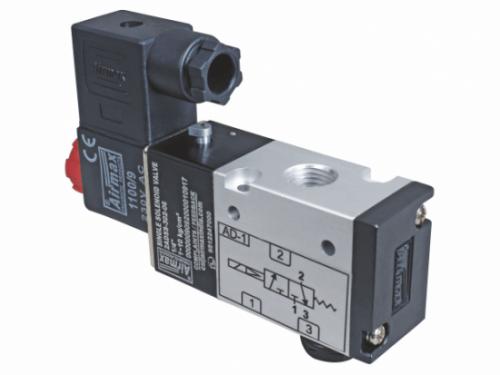
If you work in the industrial or manufacturing industry, you may be familiar with the term "pneumatic directional control valve." But what exactly is a pneumatic directional control valve, and how does it work? In this comprehensive guide, we'll explore everything you need to know about pneumatic directional control valves.
What is a Pneumatic Directional Control Valve?
A pneumatic directional control valve is a type of valve that controls the flow of compressed air in a pneumatic system. These valves are used to direct the flow of compressed air to different parts of a system, allowing it to perform various functions such as controlling actuators, powering tools, and more.
Types of Pneumatic Directional Control Valves
There are several types of pneumatic directional control valves, including:
2-Way Valves: These valves have two ports - an inlet and an outlet - and are used to turn the flow of compressed air on and off.
3-Way Valves: These valves have three ports - an inlet, an outlet, and an exhaust port - and are used to control the direction of airflow in a system.
4-Way Valves: These valves have four ports - two inlets and two outlets - and are used to control the direction of airflow in a system, as well as the speed of actuators.
5-Way Valves: These valves have five ports - two inlets, two outlets, and an exhaust port - and are used to control the direction of airflow in a system, as well as the speed of actuators and the pressure in the system.
How Does a Pneumatic Directional Control Valve Work?
A pneumatic directional control valve works by controlling the flow of compressed air in a pneumatic system. When a valve is open, compressed air flows through it and into the system. The flow of pressurized air is halted when the valve is closed.
To operate a pneumatic directional control valve, a signal is sent to it from a controller, such as a PLC or a manual valve. This signal tells the valve whether to open or close, allowing compressed air to flow or stopping it.
Applications of Pneumatic Directional Control Valves
Pneumatic directional control valves are used in a wide variety of applications, including:
Manufacturing: Pneumatic directional control valves are used to control the movement of parts on an assembly line, control the speed of pneumatic tools, and more.
Robotics: Pneumatic directional control valves are used to control the movement of robots, such as arms and grippers.
Packaging: Pneumatic directional control valves are used to control the movement of packaging machines, such as filling and sealing machines.
Automotive: Pneumatic directional control valves are used to control the movement of robotic arms in automotive assembly lines.
Choosing the Right Pneumatic Directional Control Valve for Your Application
When choosing a pneumatic directional control valve for your application, there are several factors to consider, including:
The number of ports required: Depending on the application, you may need a valve with two, three, four, or five ports.
The size of the valve: The size of the valve should be matched to the size of the system it will be used in.
The operating pressure temperature: Make sure the valve is rated to operate at the pressure and temperature of your system.
The type of actuator: The type of actuator being used in the system will also affect the choice of valve, as some valves are better suited for certain types of actuators.
The type of media: Consider the type of media that will be flowing through the valve, such as air, gas, or liquid, as this can affect the material of the valve.
In conclusion, pneumatic directional control valves are an essential component in pneumatic systems used across a wide range of industries. By understanding the different types of valves, how they work, their applications, and how to choose the right valve for your application, you can ensure your system operates smoothly and efficiently.

Post Your Ad Here
Comments