Key Factors to Consider When Selecting a Gate Valve for Your System
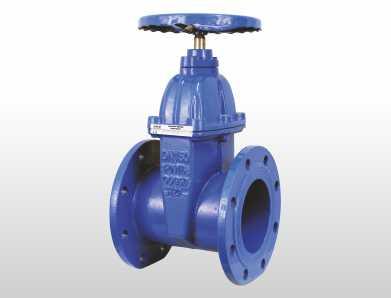
Gate valves are widely used in industrial piping systems to provide reliable flow isolation. Their ability to offer full-flow control with minimal pressure drop makes them an ideal choice for water, oil, gas, and chemical pipelines. However, selecting the right gate valve is crucial to ensure efficiency, safety, and long-term performance. Working with trusted gate valve manufacturers in India can help industries secure high-quality valves designed for specific operational needs.
Understanding the Function of Gate Valves
Gate valves operate by moving a wedge-shaped gate up or down within the valve body to start or stop fluid flow. Unlike throttling valves, they are primarily designed for on/off operation rather than flow regulation. When fully open, the gate provides a straight passage, minimizing flow resistance and pressure drop. This characteristic makes them particularly suitable for pipelines where low turbulence and unrestricted flow are important.
Key Factors to Consider in Selection
When selecting a gate valve, several critical factors must be assessed:
Pressure and Temperature Ratings
The valve must be compatible with the system’s operating pressure and temperature. Valves are available in different classes and materials designed to withstand high pressures and extreme temperatures without deforming or leaking.
Material of Construction
Material selection is vital for durability and corrosion resistance. Common materials include stainless steel, carbon steel, brass, and cast iron. The choice depends on the type of fluid, environmental conditions, and the need for corrosion resistance.
Valve Size
Correct sizing ensures optimal performance. An undersized valve may cause excessive pressure drop, while an oversized valve may be less efficient and more expensive. Accurate pipeline measurements and flow calculations are essential before purchase.
End Connections
Gate valves come with various end connection types such as flanged, threaded, or welded. The choice should align with the piping system’s design, ensuring ease of installation and maintenance.
Rising vs. Non-Rising Stem
Rising Stem (RS) Valves: The stem moves up when opening the valve, providing a visual indication of valve status. Suitable for above-ground installations with frequent operation.
Non-Rising Stem (NRS) Valves: The stem does not move, saving space. Ideal for underground or confined installations.
Maintenance and Longevity
Valves should be easy to maintain and designed for a long service life. Features like replaceable seats, robust seals, and high-quality materials contribute to extended durability and reduced downtime.
Industry Applications
Gate valves are widely used across industries, including:
Oil & Gas: Controlling crude oil, natural gas, and refined product pipelines.
Water Treatment: Ensuring reliable flow isolation in treatment plants and distribution networks.
Chemical Industry: Handling corrosive or abrasive fluids safely.
Power Plants: Regulating steam and cooling water lines efficiently.
Partnering with reputable gate valve manufacturers in India ensures valves are manufactured to international standards like API, BS, or IS, guaranteeing reliability and performance across critical applications.
Conclusion
Selecting the right gate valve is a combination of understanding system requirements, choosing appropriate materials, and ensuring compatibility with pipeline design. By carefully evaluating pressure and temperature ratings, material construction, size, end connections, and maintenance requirements, industries can secure valves that provide long-term efficiency and safety. Working with established gate valve manufacturers in India helps guarantee quality, compliance, and dependable performance for diverse industrial applications.
Post Your Ad Here
Comments