Control Valve: Essential Functions and Applications in Modern Industries
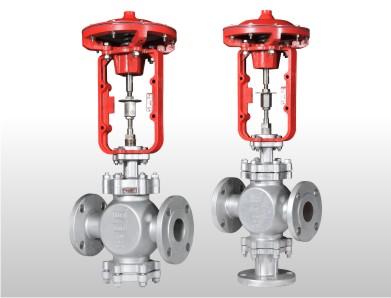
In modern industrial systems, precise control over fluid flow, pressure, and temperature is critical for efficient operations. A control valve is at the heart of this process, regulating the flow of liquids, gases, or steam in pipelines according to the system’s requirements. By automatically adjusting the flow rate in response to signals from control systems, control valves ensure that processes operate within safe and optimal parameters.
Leading industrial valve manufacturers, such as Aira Euro Automation, provide a wide range of control valves designed for diverse applications, from water treatment and chemical processing to oil and gas operations. Understanding the functions and applications of control valves can help plant managers, engineers, and procurement specialists select the right solution for their facility.
Key Functions of a Control Valve
The primary function of a control valve is to modulate fluid flow to maintain the desired process variable, such as pressure, temperature, or level. Key roles include:
Flow Regulation: Control valves adjust the flow rate of liquids or gases to match process demands.
Pressure Control: They maintain stable system pressure, preventing equipment damage or safety hazards.
Temperature Management: By controlling the flow of heating or cooling media, control valves help maintain consistent process temperatures.
Automation Integration: Control valves respond to electrical, pneumatic, or hydraulic signals, enabling seamless automation in industrial operations.
Types of Control Valves
Control valves are available in several types, each suited to specific industrial needs:
Globe Valves: Ideal for precise flow control due to their linear characteristics.
Ball Valves: Provide quick shut-off and moderate flow control in automated systems.
Butterfly Valves: Suitable for large-diameter pipelines with moderate throttling capabilities.
Diaphragm Valves: Used in hygienic and corrosive fluid applications.
Applications Across Industries
Control valves are versatile and find applications in nearly every industrial sector:
Chemical and Petrochemical Plants: For accurate flow, pressure, and temperature regulation in reactive processes.
Power Generation: To control steam and water flow in turbines and boilers.
Water and Wastewater Treatment: For consistent flow control and pressure management in treatment systems.
Food and Beverage Industry: To maintain hygienic and precise process conditions.
HVAC Systems: For temperature and pressure regulation in heating, ventilation, and air conditioning systems.
Benefits of Installing Control Valves
Investing in high-quality control valves offers numerous advantages:
Improved process efficiency and product quality.
Enhanced safety for equipment and operators.
Reduced energy consumption by optimizing flow and pressure.
Better integration with automated process control systems.
Lower maintenance requirements and extended equipment lifespan.
Conclusion
A control valve is an indispensable component in modern industrial operations. By providing precise flow, pressure, and temperature control, these valves ensure operational efficiency, safety, and reliability across industries. Partnering with trusted suppliers like Aira Euro Automation allows industries to access high-quality control valves designed for diverse applications, delivering consistent performance and long-term value.
Post Your Ad Here
Comments