The Ultimate Principles Of Weightlifting For Athletes
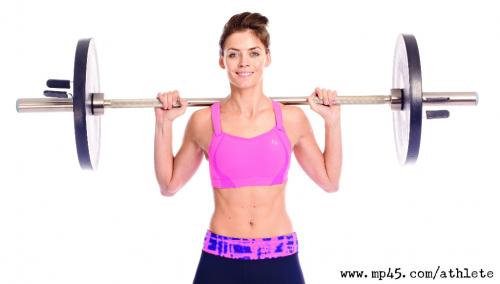
Every athlete ought to be physically fit and that is why they take programs for weight lifting. The biggest problem they encounter in their endeavors is where to start. You might find an athlete in a gym with absolutely no idea of what equipment to use and how to use them. This is an excellent article for a beginner in weightlifting. Weight lifting for athletic players focuses on weight loss and muscle strength. There are some standard measures of weightlifting that determine the overall results as outlined below.
The Weight Training Frequency
Workout frequency refers to the number of times an athlete weight trains in a week. The optimum frequency for weight training is three to four times in a week. Never weight train for more than two back-to-back days. Anything short of this is poor quality training. This recommended frequency allows for muscle recovery which is a prerequisite for optimum outcome. Another important concept of frequency is the muscle group frequency. An athlete should understand the functionality of all body muscles and how they should be exercised optimally.
Weightlifting Schedule
In order to create the best weight training workout plan, an athlete has to choose the right weekly schedule. Know the appropriate number of splits, repetitions, and sets of exercising. It is not easy though but you can make a good plan based on three factors:
Weight Training intensity
This refers to the amount of weight lifted and how it feels for you in a particular exercise. If the weight feels heavy, that is a high intensity. The opposite is true. The intensity is determined by the number of repetitions done in a set. For light weights, athletes do more repetitions while heavier loads call for fewer reps. what does this mean? That the higher the number of repetitions, the smaller the intensity and the lower the number of reps, the bigger the intensity. Different weightlifting goals need different rates of intensity.
Weightlifting Volume
Volume equals to the total force or work amount. Total work volume is the number of sets and repetitions done for a certain exercise. Excessive workout volumes impair recovery of muscles hence they are counterproductive. On the other hand, inadequate volumes do not stimulate muscles in the proper way and you may not realize any changes.
Weight Selection
The right weightlifting exercises should be performed using the correct machine and equipment.
The Weight Training Frequency
Workout frequency refers to the number of times an athlete weight trains in a week. The optimum frequency for weight training is three to four times in a week. Never weight train for more than two back-to-back days. Anything short of this is poor quality training. This recommended frequency allows for muscle recovery which is a prerequisite for optimum outcome. Another important concept of frequency is the muscle group frequency. An athlete should understand the functionality of all body muscles and how they should be exercised optimally.
Weightlifting Schedule
In order to create the best weight training workout plan, an athlete has to choose the right weekly schedule. Know the appropriate number of splits, repetitions, and sets of exercising. It is not easy though but you can make a good plan based on three factors:
- The schedule has to match your weightlifting frequency
- Let the workout program suit personal schedules
- It should go in line with your workout preferences and requirements
Weight Training intensity
This refers to the amount of weight lifted and how it feels for you in a particular exercise. If the weight feels heavy, that is a high intensity. The opposite is true. The intensity is determined by the number of repetitions done in a set. For light weights, athletes do more repetitions while heavier loads call for fewer reps. what does this mean? That the higher the number of repetitions, the smaller the intensity and the lower the number of reps, the bigger the intensity. Different weightlifting goals need different rates of intensity.
Weightlifting Volume
Volume equals to the total force or work amount. Total work volume is the number of sets and repetitions done for a certain exercise. Excessive workout volumes impair recovery of muscles hence they are counterproductive. On the other hand, inadequate volumes do not stimulate muscles in the proper way and you may not realize any changes.
Weight Selection
The right weightlifting exercises should be performed using the correct machine and equipment.
4 people like it




Advertise on APSense
This advertising space is available.
Post Your Ad Here
Post Your Ad Here
Comments