Spotting the Signs: Common Malaria Symptoms
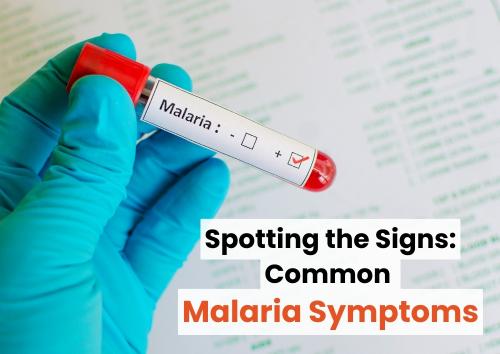
Malaria is a life-threatening disease that is caused by parasites transmitted to humans through the bites of infected female Anopheles mosquitoes. Despite being preventable and curable, malaria remains a significant global health challenge, especially in tropical and subtropical regions. Understanding the malaria symptoms is important for timely diagnosis and treatment. Here in this blog post, we will discuss the malaria parasite symptoms, which can vary depending on the type of malaria parasite and the individual’s health status.
Early Symptoms of Malaria
According to the best general physician in gurgaon at Miracles Apollo Cradle/Spectra, The malaria sign symptoms at an early stage can be mild and resemble those of many other illnesses, making early diagnosis challenging. The initial symptoms generally appear 10 to 15 days after the infective mosquito bite. Common early symptoms of malaria fever include:
Fever: One of the primary symptoms of malaria is fever, which can be periodic or continuous.
Chills: Extreme shivering and chills usually accompany the fever.
Sweats: After the chills, excessive sweating follows.
Headache: Continuous and sometimes severe headaches are common.
Nausea and Vomiting: These symptoms may occur and contribute to general malaise.
Fatigue and Weakness: Patients often feel extremely tired and weak.
Muscle and Joint Pain: Aches and pains in the muscles and joints are frequently reported.
Loss of Appetite: There may be a decrease in appetite.
Advanced Symptoms of Malaria
If malaria is not treated promptly, it can progress to more severe stages, leading to serious complications. Advanced signs and symptoms of malaria may include:
Severe Anemia: It can be caused by the destruction of red blood cells, leading to fatigue and paleness.
Jaundice: A yellowing of the skin and eyes, indicating liver dysfunction.
Respiratory Distress: Difficulty breathing, especially in young children.
Cerebral Malaria: A severe form affecting the brain, leading to seizures, confusion, and even coma.
Organ Failure: Malaria can lead to the failure of vital organs such as the kidneys, liver, or spleen.
Acute Respiratory Distress Syndrome (ARDS): A severe lung complication causing breathing difficulties.
Symptoms Depending on the Type of Malaria Parasite
Malaria caused by different Plasmodium species can present with varying patterns of symptoms:
Plasmodium falciparum: It usually causes severe and life-threatening symptoms, including cerebral malaria and multi-organ failure.
Plasmodium vivax and Plasmodium ovale: This can cause recurring fever spikes every 48 hours.
Plasmodium malariae: Fever spikes every 72 hours.
Plasmodium knowlesi: A less common species that can cause daily fever spikes and severe disease.
Malaria Disease Causes
Malaria is caused by protozoan parasites of the genus Plasmodium. There are five species known to infect humans:
Plasmodium falciparum: The most dangerous form, responsible for most malaria-related deaths.
Plasmodium vivax: Common in Asia and Latin America, known for causing recurrent infections due to dormant liver stages.
Plasmodium ovale: Similar to P. vivax in causing recurrent infections.
Plasmodium malariae: Causes a chronic infection that can last for years.
Plasmodium knowlesi: Primarily a zoonotic parasite infecting macaques, but can cause malaria in humans.
Transmission
Mosquito Bites: The primary mode of transmission is through the bite of an infected female Anopheles mosquito. The mosquito injects Plasmodium sporozoites into the human bloodstream.
Blood Transfusion: Malaria can be transmitted through transfusion of infected blood.
Congenital Malaria: An infected mother can transmit the parasite to her unborn child.
Needle Sharing: Transmission can occur through sharing needles contaminated with infected blood.
Organ Transplant: Rarely, malaria can be transmitted through organ transplants from infected donors.
Diagnosis and Treatment of Malaria
If malaria is suspected based on symptoms and recent travel history to an endemic area, it is important to consult an internal medicine doctor near you. Early diagnosis and treatment of malaria disease are important to prevent complications.
Diagnosis of Malaria
Diagnosing malaria involves several steps to ensure accurate detection and appropriate treatment:
Clinical Diagnosis: The initial diagnosis is usually based on the patient’s symptoms, which can include fever, chills, headache, sweats, fatigue, nausea, and vomiting. In severe cases, symptoms can escalate to confusion, seizures, and respiratory distress.
Blood Smear: The most common diagnostic method is examining a blood smear under a microscope. It is used to detect the presence of parasites and identify the species of malaria parasite.
Rapid Diagnostic Tests (RDTs): These tests detect specific antigens produced by malaria parasites. They are useful in areas where reliable microscopic diagnosis is not available.
Polymerase Chain Reaction (PCR): PCR tests are more sensitive and can detect low levels of malaria parasites in the blood. They are mainly used in research and for confirming cases in areas with low transmission.
Serological Tests: These tests detect antibodies against malaria parasites but are not used for diagnosing acute malaria because antibodies can persist long after infection.
Malaria Symptoms Treatment
For Uncomplicated Malaria
Artemisinin-Based Combination Therapies (ACTs): This is first-line treatment for uncomplicated malaria caused by Plasmodium falciparum.
Chloroquine: It is used for Plasmodium vivax, Plasmodium ovale, and Plasmodium malariae in regions where these parasites are chloroquine-sensitive.
Primaquine: This is used to prevent relapse in Plasmodium vivax and Plasmodium ovale infections by targeting dormant liver stages.
For Severe Malaria
Intravenous (IV) Artesunate: It is the most preferred treatment for severe malaria due to its fast action.
Quinidine or Quinine: These are alternatively recommended if artesunate is unavailable.
Supportive Care: Management of complications such as anemia, hypoglycemia, and respiratory distress.
Malaria in Pregnancy
First Trimester: Quinine plus clindamycin or artesunate plus clindamycin.
Second and Third Trimesters: Artemisinin-based combination therapies (ACTs) are generally safe.
Drug Resistance: Adjust treatment protocols based on local resistance patterns.
Prevention of Malaria
Preventing malaria involves measures such as:
Using Insect Repellents: To avoid mosquito bites.
Sleeping Under Insecticide-Treated Bed Nets: Particularly in endemic areas.
Taking Prophylactic Antimalarial Medications: When traveling to malaria-prone regions.
Eliminating Mosquito Breeding Sites: To reduce the mosquito population.
Conclusion:
Post Your Ad Here
Comments