7 Ways To Cure Cervical Spondylosis Permanently
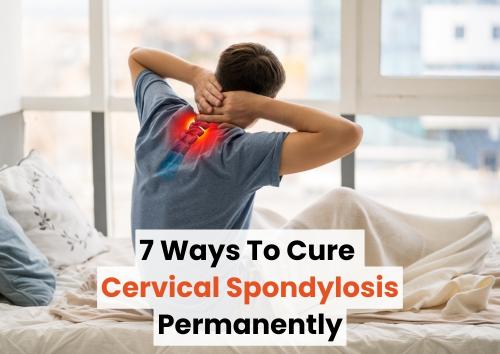
Are you tired of waking up with a stiff neck or dealing with constant pain that seems to radiate down your spine? It may be Cervical spondylosis. Usually referred to as neck arthritis, can make everyday activities feel like a struggle. But what if we told you there is hope beyond the daily discomfort? While a permanent cure may not be a simple fix, there are effective ways to manage and even extremely reduce symptoms. Here’s how you can take control and bid farewell to c spondylosis. So, keep reading this blog
What is Cervical Spondylosis?
According to the leading orthopaedic doctor in gurgaon at Miracles Apollo Cradle/Spectra, Cervical spondylosis is a common age-related condition that affects the joints and discs in your neck. Over time, the wear and tear of these structures can lead to pain, stiffness, and other discomforts. The common symptoms of cervical spondylosis include neck pain, stiffness, headaches, numbness or tingling in the arms, hands, legs, or feet, weakness in the arms or legs, lack of coordination, and difficulty walking. Several treatments and lifestyle changes can significantly relieve symptoms and improve quality of life.
7 Ways To Cure Cervical Spondylosis Permanently
Physical Therapy: Physiotherapy is one of the most effective ways to manage cervical spondylosis. A physiotherapist can teach you exercises to strengthen and stretch your neck and shoulders muscles. Regular physical therapy can help improve flexibility, increase muscle strength, and reduce pain and stiffness.
Lifestyle Modifications: Making certain lifestyle changes can also help manage symptoms and prevent the condition from worsening:
Exercise regularly: Engage in low-impact aerobic activities like walking, swimming, or cycling.
Maintain good posture: Use ergonomic furniture and practice good posture to reduce stress on your neck.
Stay hydrated: Drinking plenty of water helps maintain hydration and improve health.
Sleep on a firm mattress: Use a thin supportive pillow that keeps your neck aligned with your spine.
Manage Stress Effectively: Chronic stress can worsen pain and discomfort related to cervical spondylosis. Incorporating deep breathing exercises, meditation, and yoga into your daily routine can enhance your overall well-being and relieve pain.
Medications: Over-the-counter pain relievers like acetaminophen or nonsteroidal anti-inflammatory drugs (NSAIDs) such as ibuprofen can help reduce pain and inflammation. In more severe cases, your neck pain specialist might prescribe Muscle relaxants, Antidepressants for chronic pain, or Steroid injections for severe inflammation.
Heat and Cold Therapy: Applying heat or cold packs to the affected area can help reduce pain and muscle spasms. Heat can help relax and loosen tissues, while cold therapy can reduce inflammation.
Alternative Therapies: Several alternative therapy for cervical spondylosis can complement traditional treatments should be used with caution.
Acupuncture: It can help relieve pain and improve function.
Massage therapy: This helps reduce muscle tension and pain.
Chiropractic care: It involves spinal adjustments that may improve neck mobility and alleviate pain.
Use Corrective Devices: In some cases, cervical spondylosis doctor may recommend supportive devices like cervical collars or braces. These devices can help stabilize the neck and reduce strain on the cervical spine. However, they should be used under the guidance of a healthcare professional to avoid dependency and ensure proper usage.
Surgical Intervention: In severe cases, when other treatments fail to provide relief, surgery might be necessary. Surgical options include:
Decompression surgery: It removes bone spurs or herniated discs that compress the spinal cord or nerves.
Spinal fusion: This surgical procedure Joins two or more vertebrae to stabilize the spine.
Preventive Measures:
While you can't reverse the aging process, you can take steps to prevent cervical spondylosis disease from worsening:
Stay active: Regular exercise strengthens muscles and maintains flexibility.
Use proper techniques: When lifting heavy objects, use your legs rather than your back and neck.
Avoid repetitive neck movements: Take breaks and change positions frequently during activities that strain your neck.
Maintain a healthy weight: Excess weight puts additional stress on your spine.
Conclusion:
While cervical spondylosis is a challenging condition, a comprehensive approach that includes physical therapy, proper posture, a healthy lifestyle, alternative therapies, stress management, and, if needed, medical interventions can offer significant relief. Working closely with a cervical spondylosis specialist to tailor a treatment plan to your needs can help you manage symptoms more effectively and improve your quality of life. If you or someone you know is struggling with cervical spondylosis, consult an ortho doctor near you to find the cure for cervical spondylosis and a path to long-term relief.
Post Your Ad Here
Comments