Some Important Items Associated With Coffee
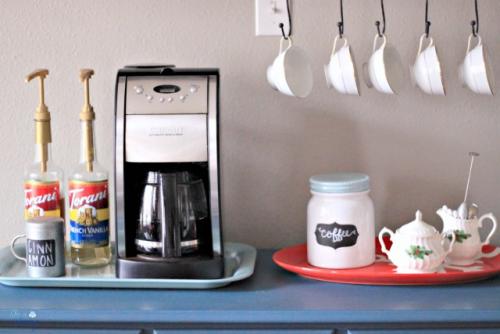
Most working people who like to have one or two cups of coffee everyday generally sip one in the morning to get a head start before leaving for work, and drink another cup in between work to get relief from stress. However, not many of these people care about the different items or products associated with their favourite caffeinated beverage. Although the primary requirements for making coffee are a good brewer and ground beans, items like milk, takeaway cups, stirrers and grinders also have a very important role to play.
Milk:
Most domestic and modern coffee machines at offices in Melbourne use milk as a mandatory ingredient for making java. The type of milk used in the preparation can significantly affect the taste of the brew. The ones having added permeate (a watery byproduct resulting from milk processing) are generally less sweet with reduced body and collapsed microfoam. On the other hand, those without permeate improve the natural characteristics of coffee without hampering the flavour. Baristas normally look for a type with consistent flavour, minimal processing and frothing ability.
Grinders:
Grinders are one of the most important tools required in the preparation of coffee. They practically help to expose the aromatics and volatile flavours concentrated within the beans by grinding them. This allows a consumer to have better access to the tasty solubles of the beverage. For a grinder to be good, it must chop the beans into fine particles that are consistent in size. The sign that indicates an inferior quality grinder is grounds consisting of fine powder and coarse chunks.
Stirrers:
Without them, drinking unstirred coffee would have been the only option left to those who grab their cup of java at office or from a cafe. Plastic spoons and wooden sticks are the most common types of stirrers used among other vending products in Melbourne.
Takeaway Cups:
Most people might have never even given a second thought to the most popular vehicles of coffee consumptions, that is, disposable takeaway cups. Before the 1980s, disposable cups meant for drinking java were manufactured using styrene. Nowadays, however, variants made from corrugated GSM paper, double walled sturdy paper and single walled antistatic paper are more commonly used all throughout Melbourne. Barista shops even make use of specially designed sipper lids for covering the cups before serving them to customers.
Let’s have a look at these items in a little bit of detail:
Milk:
Most domestic and modern coffee machines at offices in Melbourne use milk as a mandatory ingredient for making java. The type of milk used in the preparation can significantly affect the taste of the brew. The ones having added permeate (a watery byproduct resulting from milk processing) are generally less sweet with reduced body and collapsed microfoam. On the other hand, those without permeate improve the natural characteristics of coffee without hampering the flavour. Baristas normally look for a type with consistent flavour, minimal processing and frothing ability.
Grinders:
Grinders are one of the most important tools required in the preparation of coffee. They practically help to expose the aromatics and volatile flavours concentrated within the beans by grinding them. This allows a consumer to have better access to the tasty solubles of the beverage. For a grinder to be good, it must chop the beans into fine particles that are consistent in size. The sign that indicates an inferior quality grinder is grounds consisting of fine powder and coarse chunks.
Stirrers:
Without them, drinking unstirred coffee would have been the only option left to those who grab their cup of java at office or from a cafe. Plastic spoons and wooden sticks are the most common types of stirrers used among other vending products in Melbourne.
Takeaway Cups:
Most people might have never even given a second thought to the most popular vehicles of coffee consumptions, that is, disposable takeaway cups. Before the 1980s, disposable cups meant for drinking java were manufactured using styrene. Nowadays, however, variants made from corrugated GSM paper, double walled sturdy paper and single walled antistatic paper are more commonly used all throughout Melbourne. Barista shops even make use of specially designed sipper lids for covering the cups before serving them to customers.
Advertise on APSense
This advertising space is available.
Post Your Ad Here
Post Your Ad Here
Comments